Engagement
Tag your ride-or-die. The one who answers "we ride" at 6am in 40 degrees. #RideNationNY #RideOrDie #NYRiders
Giveaway & Countdown
$20,000. One bike. One lucky rider. The BikersWin giveaway is live and 100 percent free to enter. Entry link in the comments. #RideNationNY #BikersWin #20kGiveaway
Local NY & Rides
Storm King Highway is still the one to beat. Route 218 clings to the cliff with the Hudson wide open below you. Put it at the top of the spring list. #RideNationNY #HudsonValley #MotorcycleRoads
Gear & New Iron
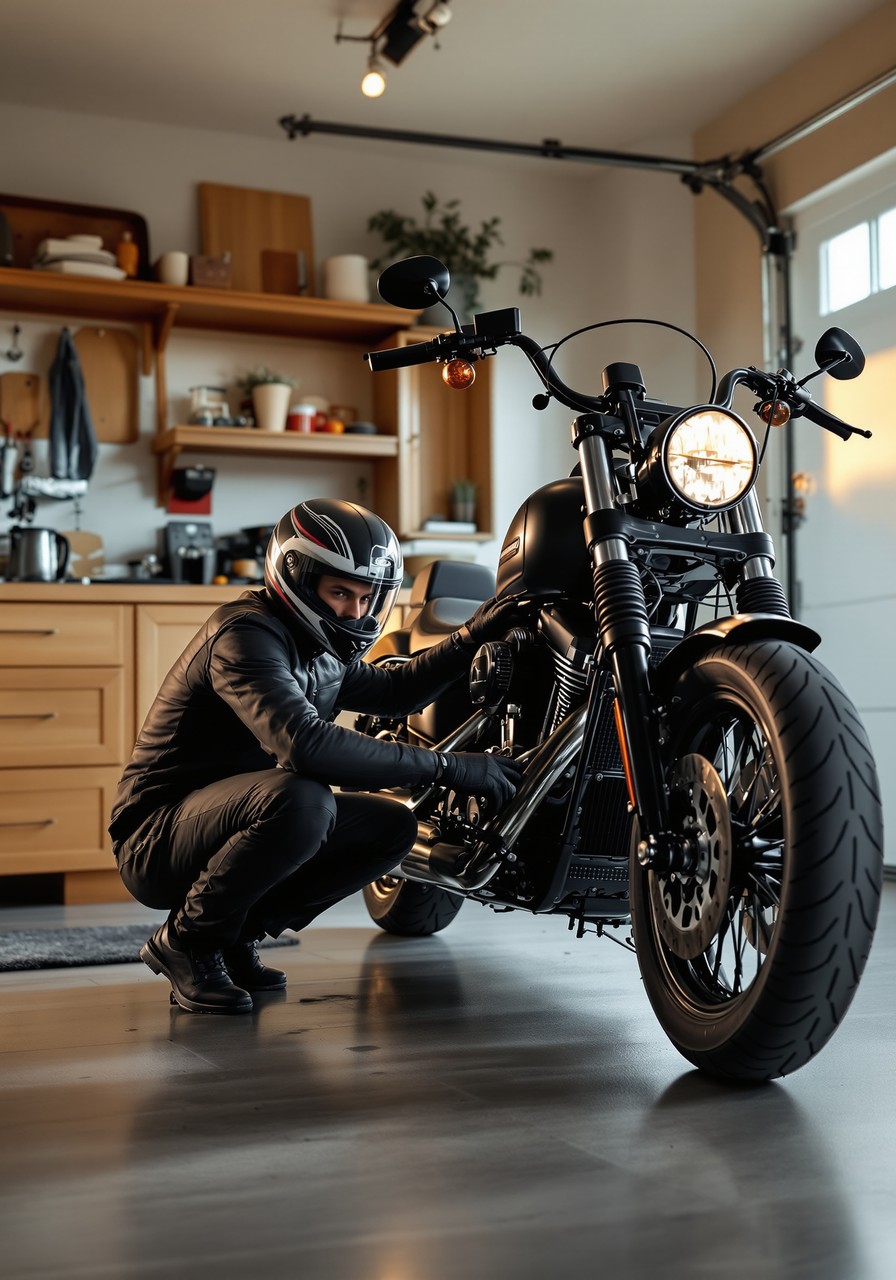
New York law is simple: every rider and passenger needs a DOT helmet. Check for the DOT sticker on the back, not just a cool paint job. #RideNationNY #GearUp #ATGATT
Safety & NY Law
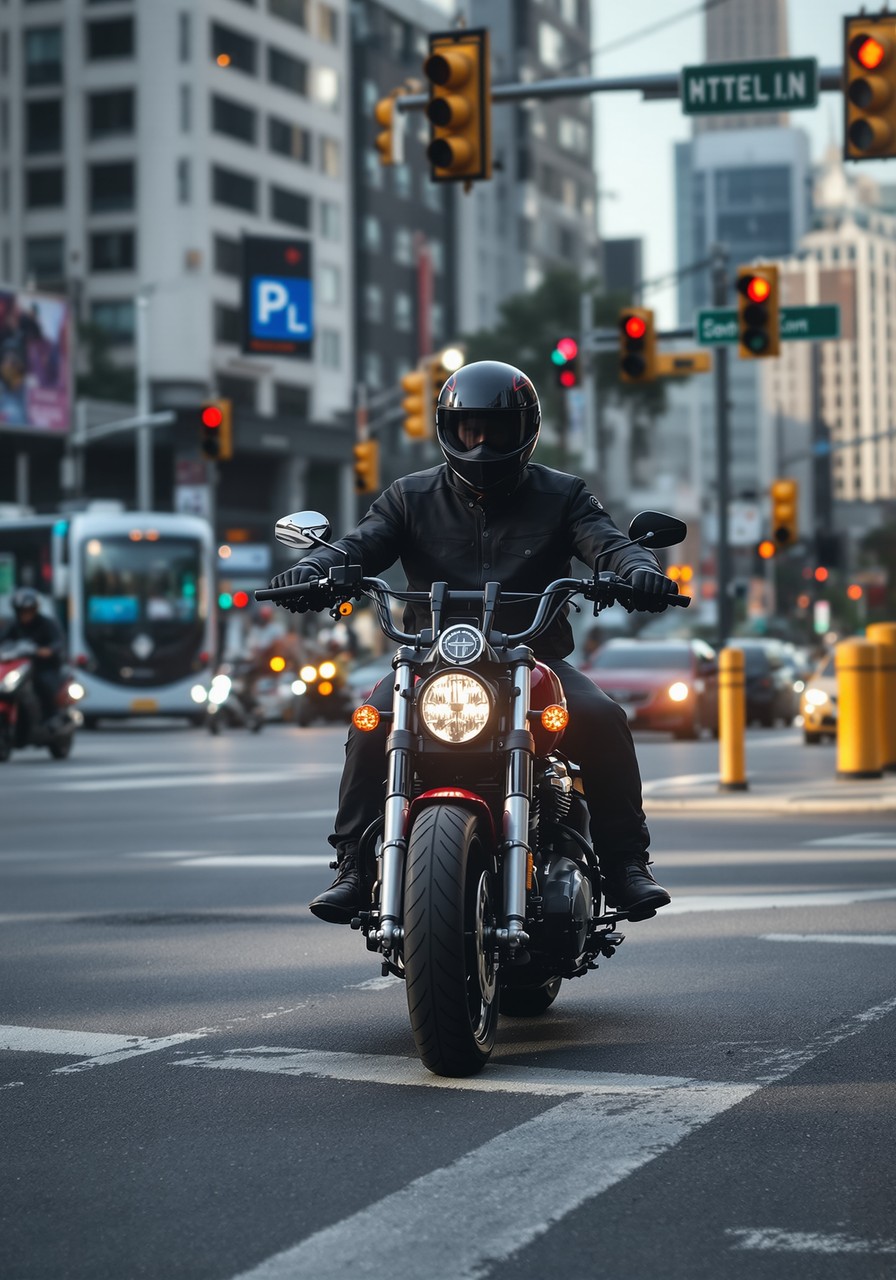
New York fact most riders miss: no-fault does NOT cover motorcyclists. A car occupant gets PIP for their own bills, you get nothing, which is why strong health coverage and SUM matter. Questions before you ride again? O'Connor Law, no cost to talk. 914-595-4502. #RideNationNY #NewYorkLaw #NYRiders
Engagement
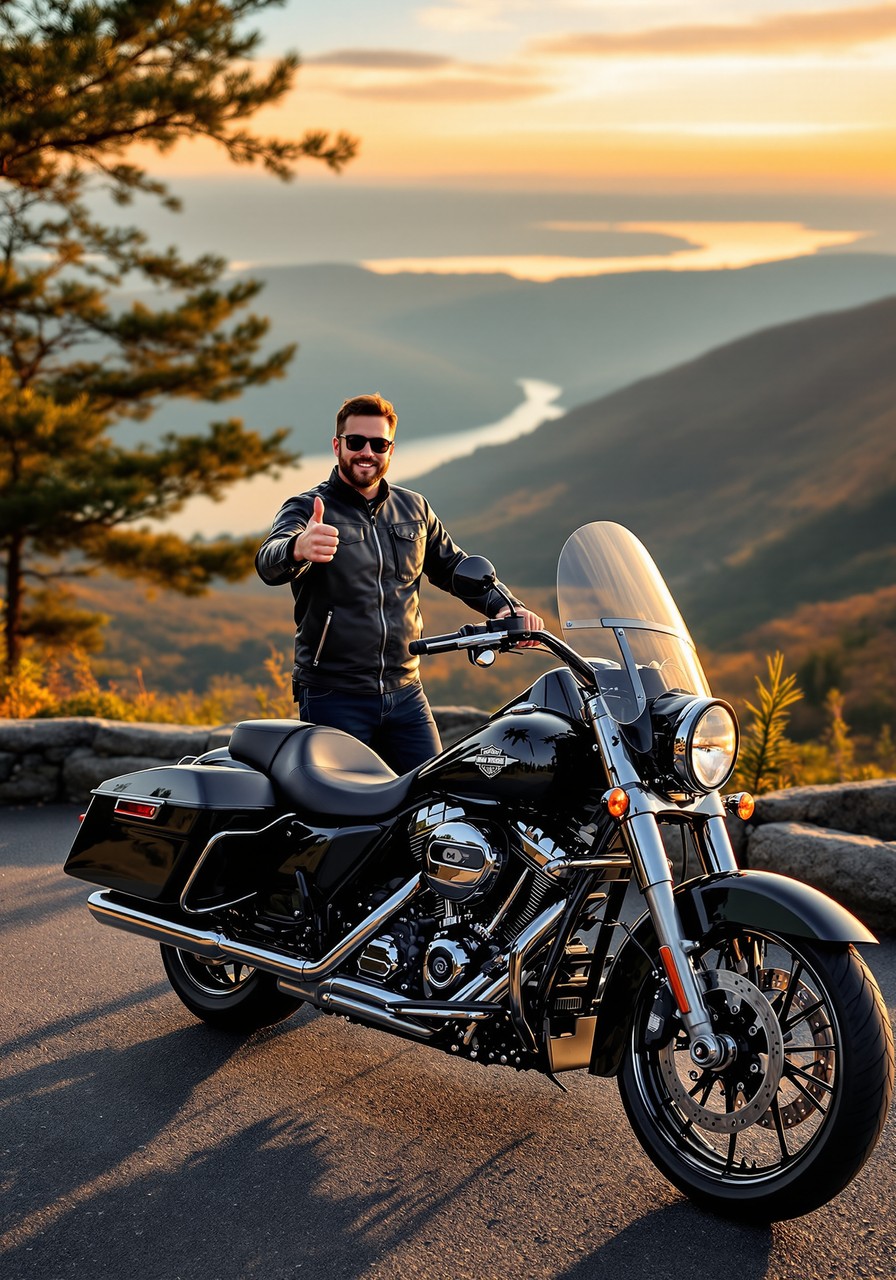
This or that: George Washington Bridge at sunrise or the Verrazzano at dusk. Pick one. #RideNationNY #NYCMotorcycles #TwoWheels
Giveaway & Countdown
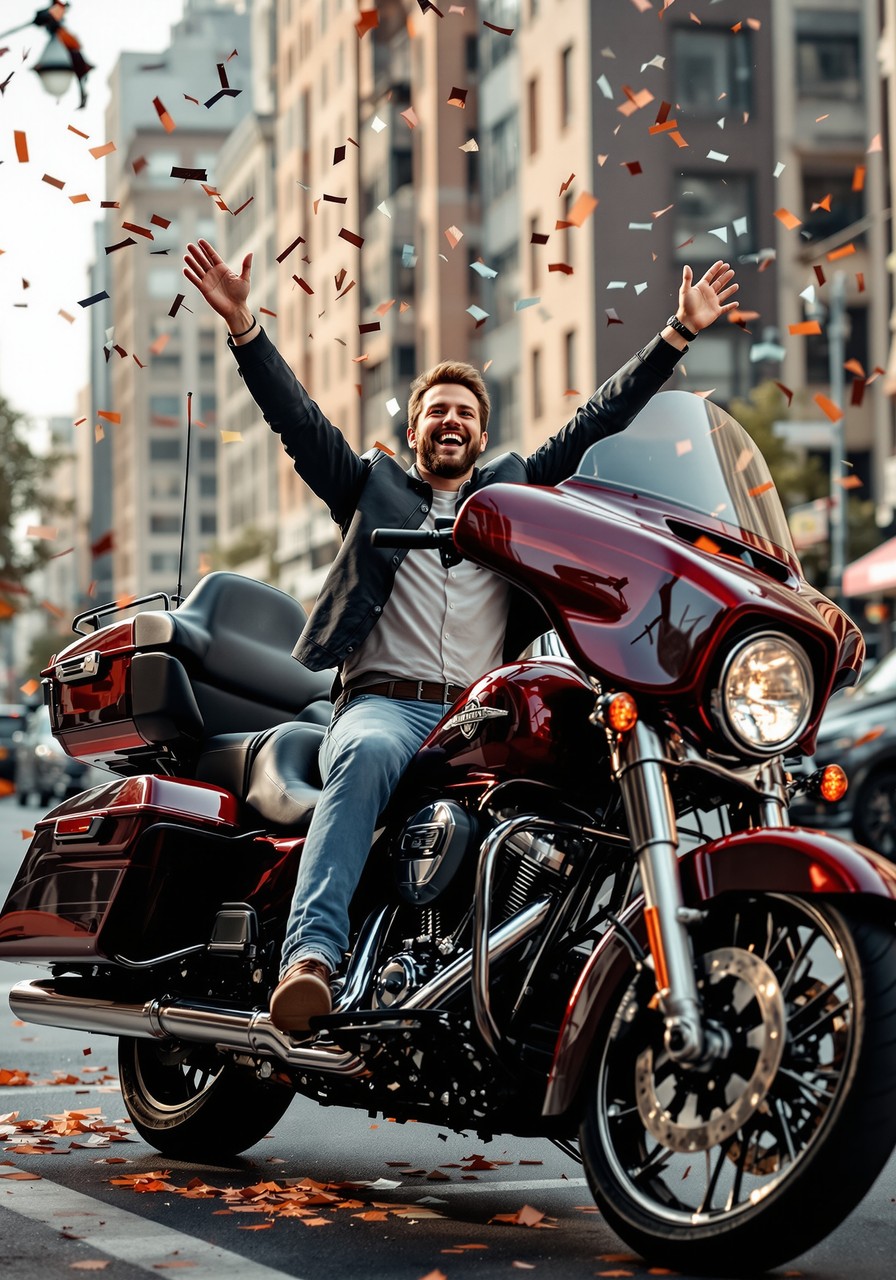
Imagine rolling out of the shop this winter on a brand new bike you did not pay a dime to enter for. That is what $20,000 buys the BikersWin winner. Link in comments. #RideNationNY #MotorcycleGiveaway #WinABike
Local NY & Rides
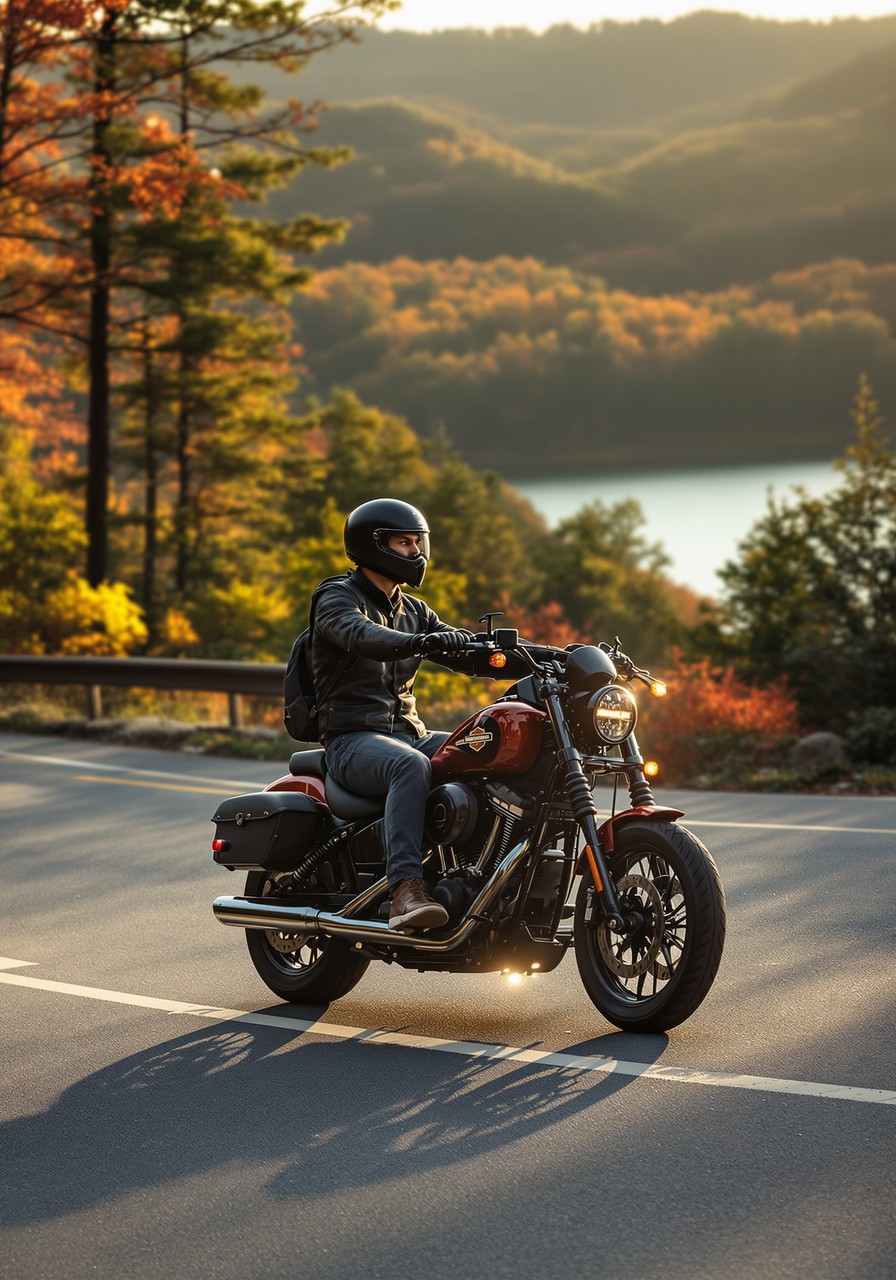
Seven Lakes Drive through Harriman never gets old. Easy sweepers, tree cover, and a lake around half the bends. Save it for a clear weekend morning. #RideNationNY #BearMountain #MotorcycleRoads
Gear & New Iron
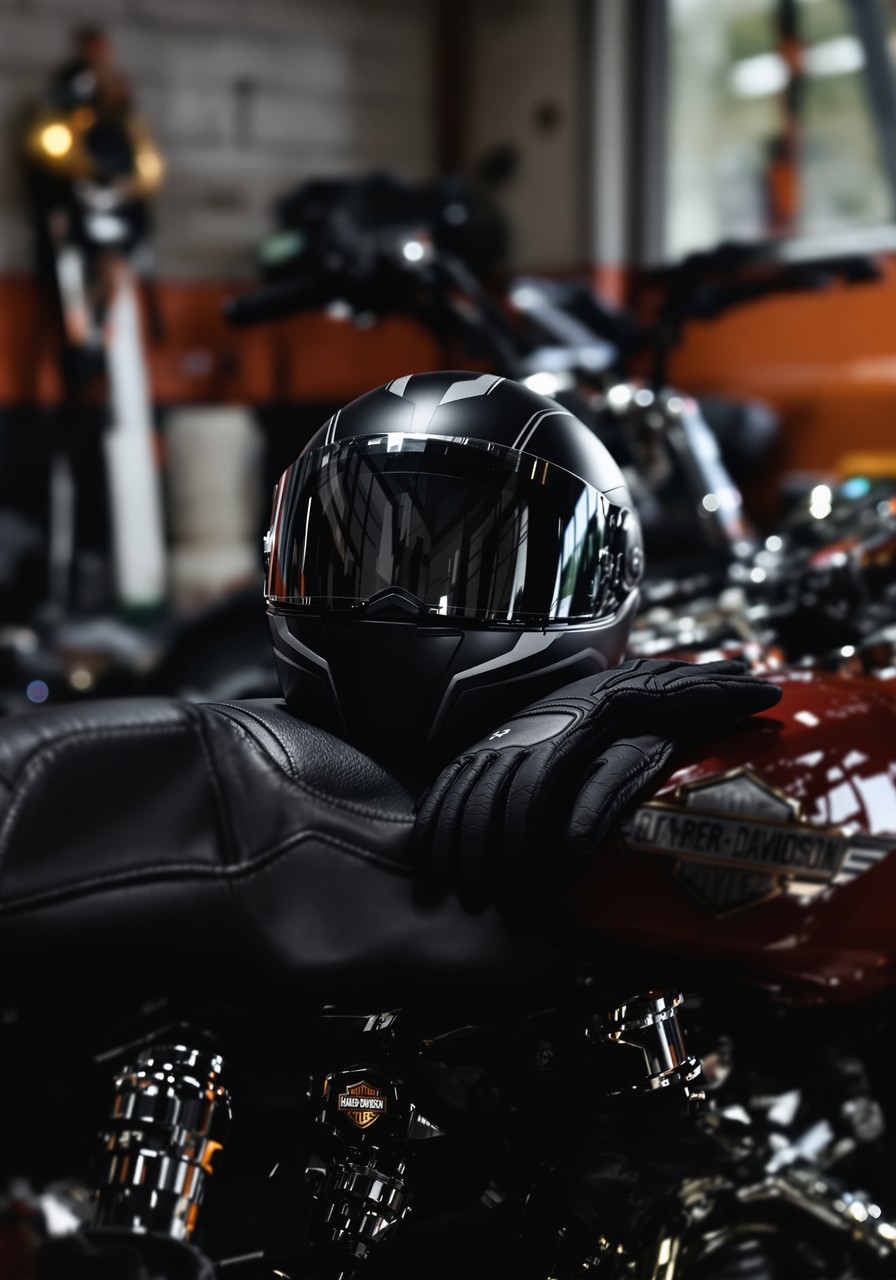
Dropped your helmet in the driveway? Replace it. The foam that protects your head can crush on an impact you never even felt. #RideNationNY #GearUp #RiderTips
Safety & NY Law
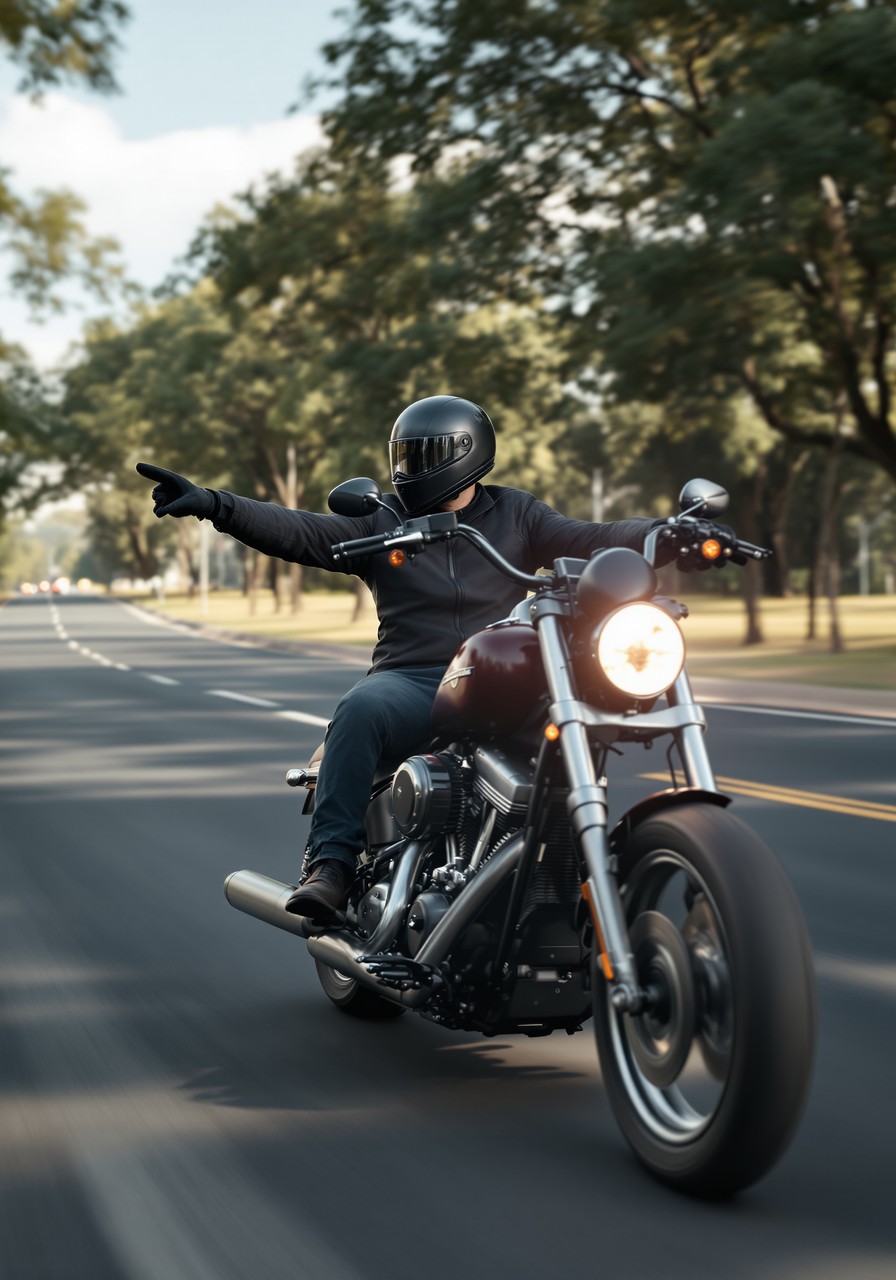
Here is the one that surprises everyone: NY no-fault leaves motorcyclists out. No PIP for your own medical bills or lost wages after a crash. Want to know how you are actually covered? Mary Ellen O'Connor, O'Connor Law, 914-595-4502. #RideNationNY #KnowYourRights #MotorcycleSafety
Engagement
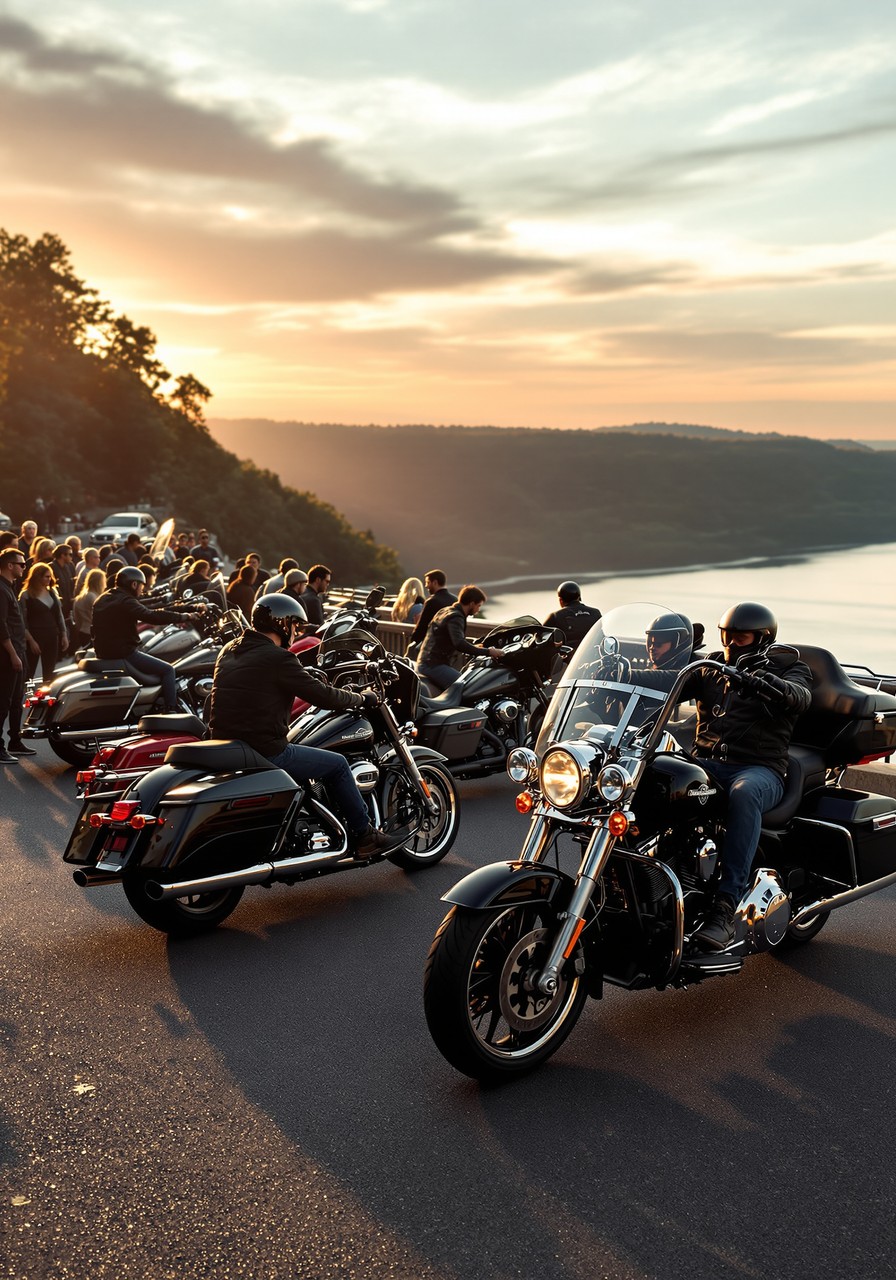
Fill in the blank: My winter layup ends the day _____. #RideNationNY #NYRiders #BikerLife
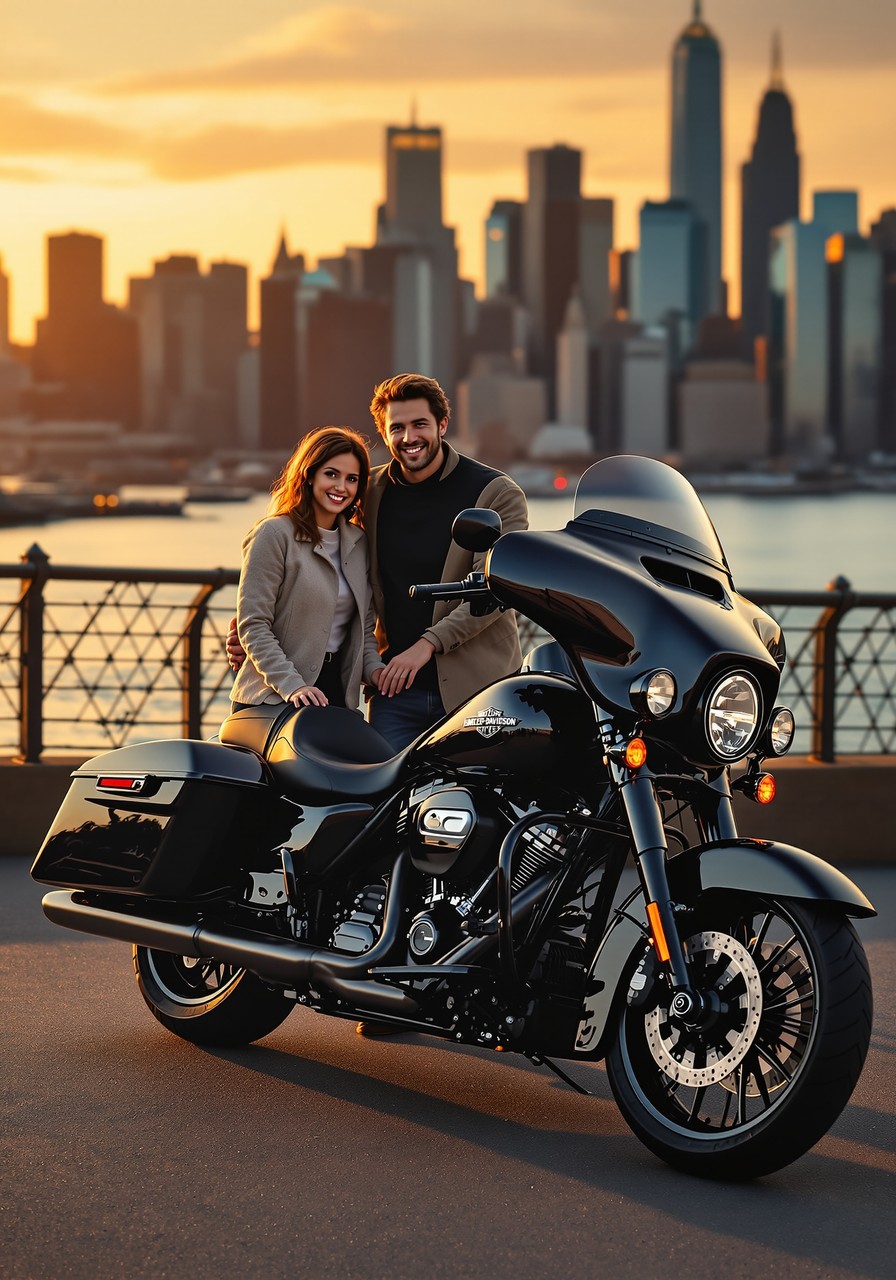
Giveaway & Countdown
Free to enter, riders 18 and up, drawn December 10. Two minutes and you are in. Entry link in the comments. #RideNationNY #FreeToEnter #NYRiders
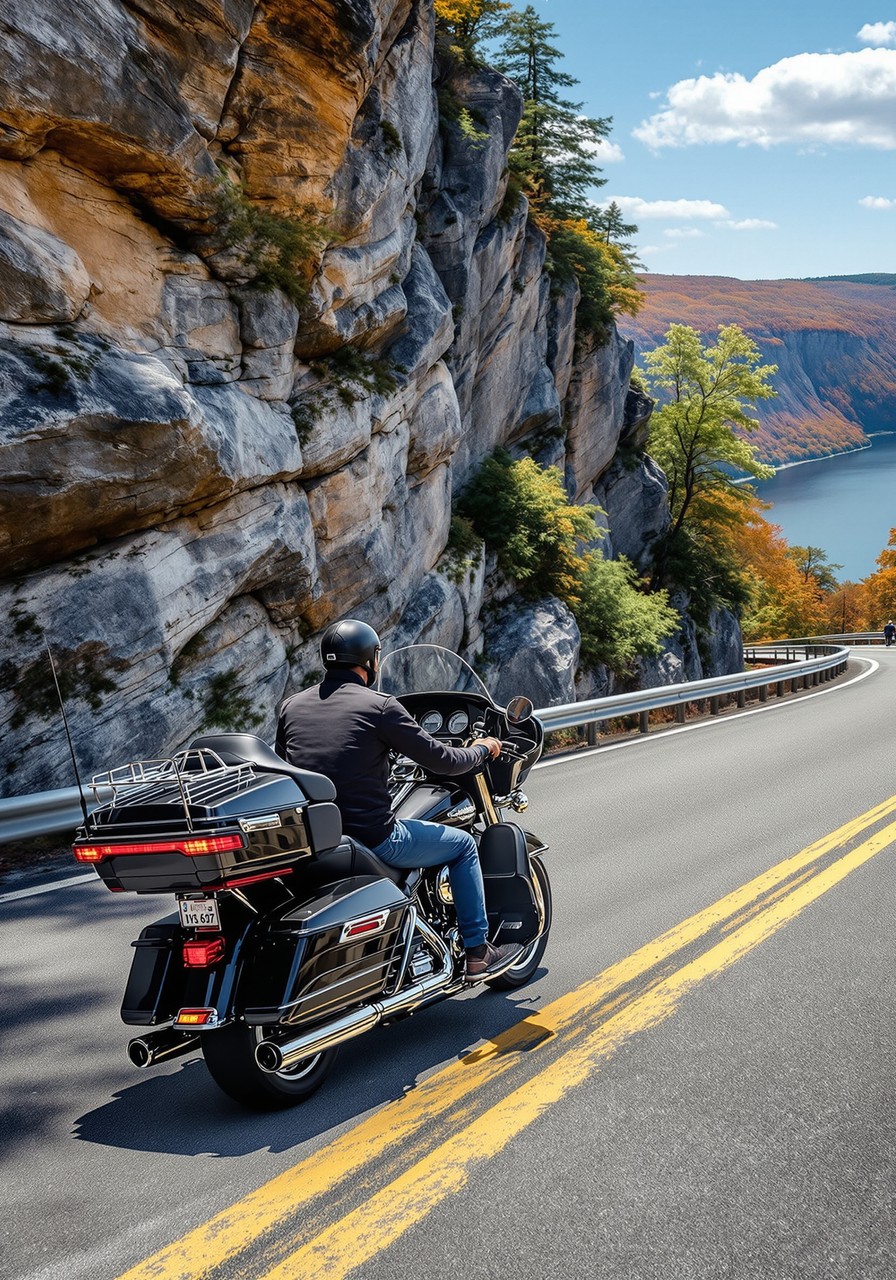
Local NY & Rides
The run up to Bear Mountain and back over the bridge is the classic metro escape. Twenty minutes past the Palisades and the city is gone. #RideNationNY #BearMountain #HudsonValley
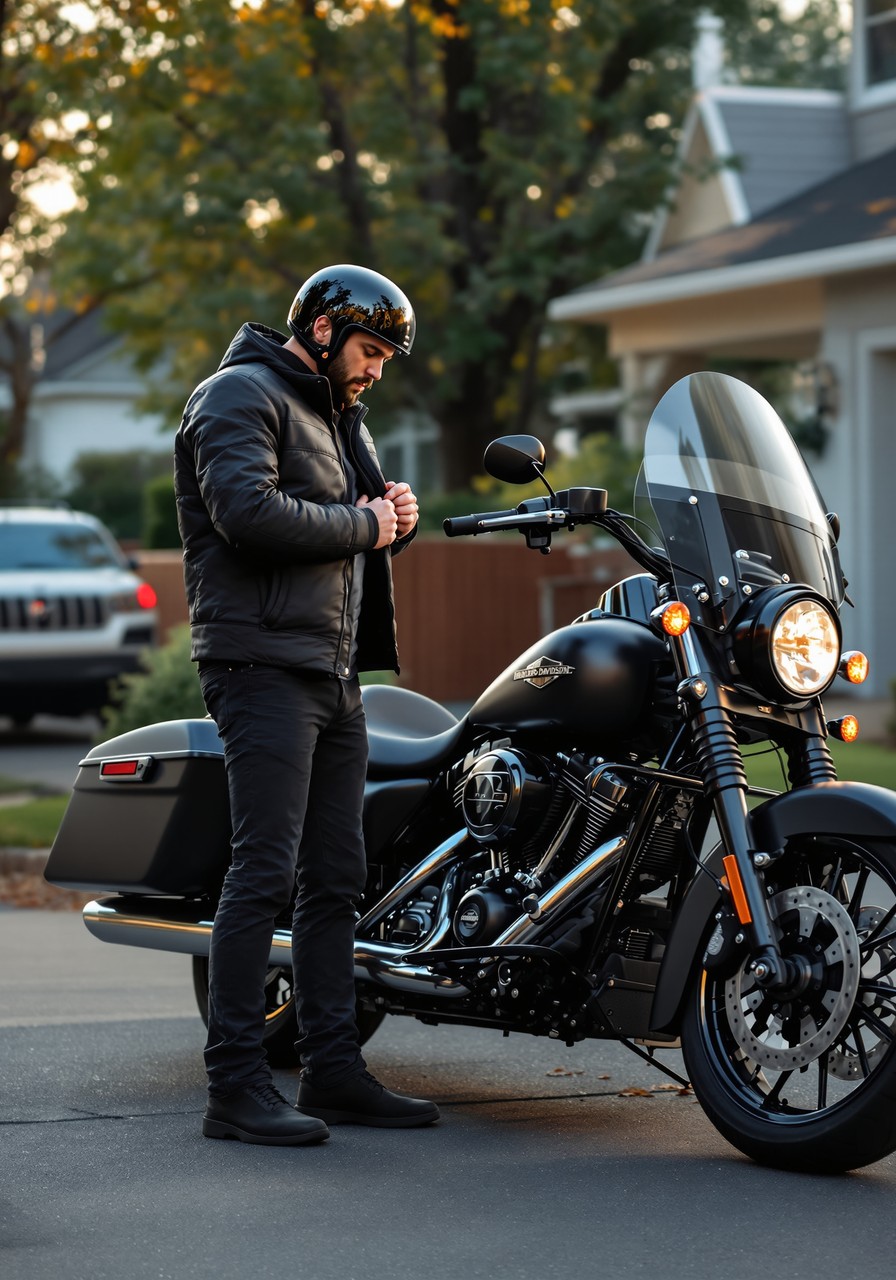
Gear & New Iron
Helmets have a shelf life. Most makers say swap it around 5 years, sooner if the liner is packing out or the straps are fraying. #RideNationNY #GearUp #ATGATT
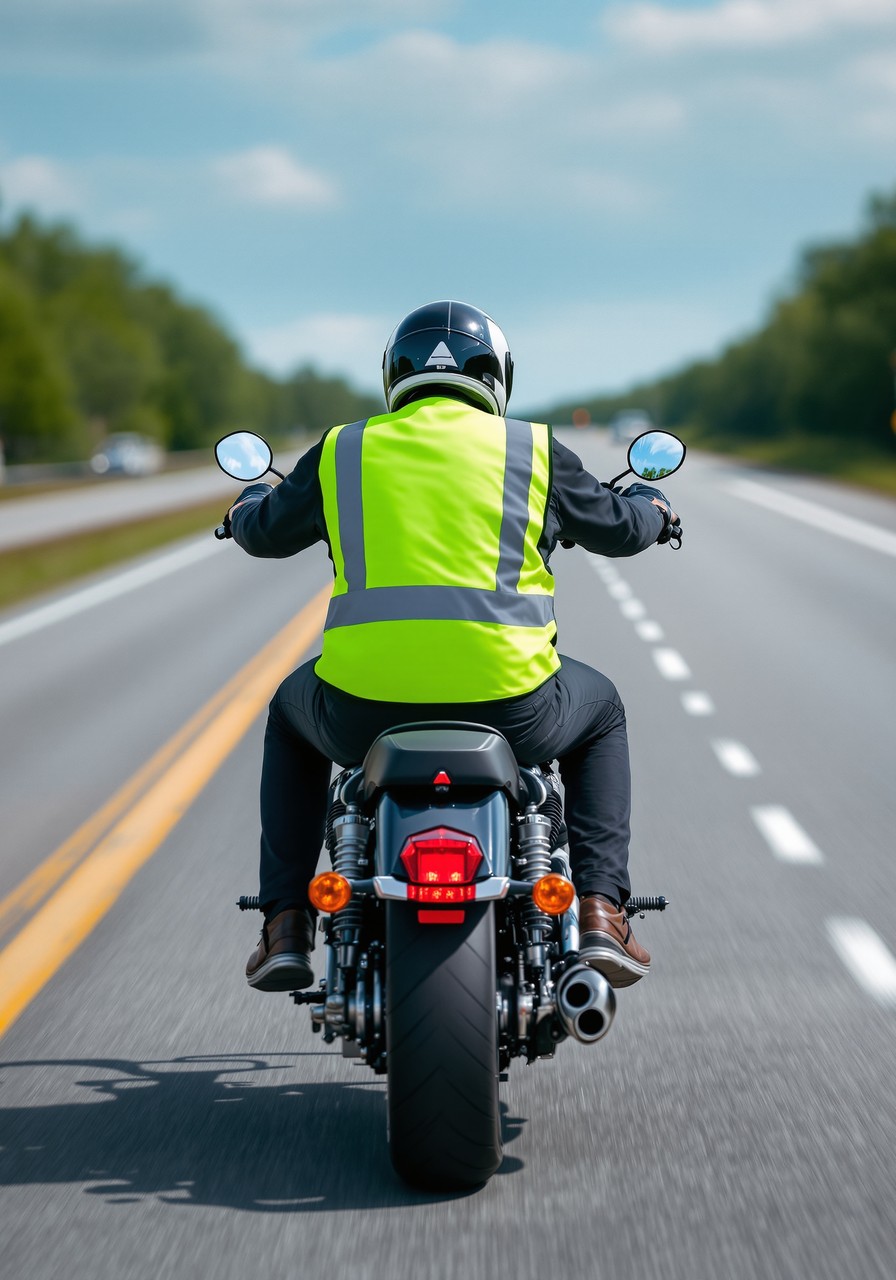
Safety & NY Law
You pay into no-fault like every driver, but in New York it does not pay a rider's own bills. That gap is why SUM and solid health insurance are not optional on two wheels. Hurt in a crash? O'Connor Law, free to talk. 914-595-4502. #RideNationNY #NewYorkLaw #NYRiders
Engagement
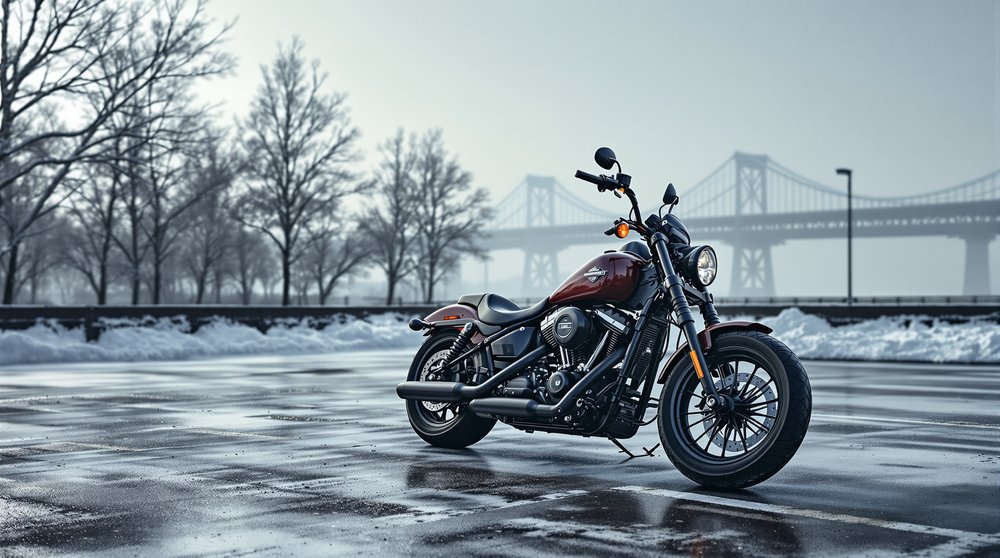
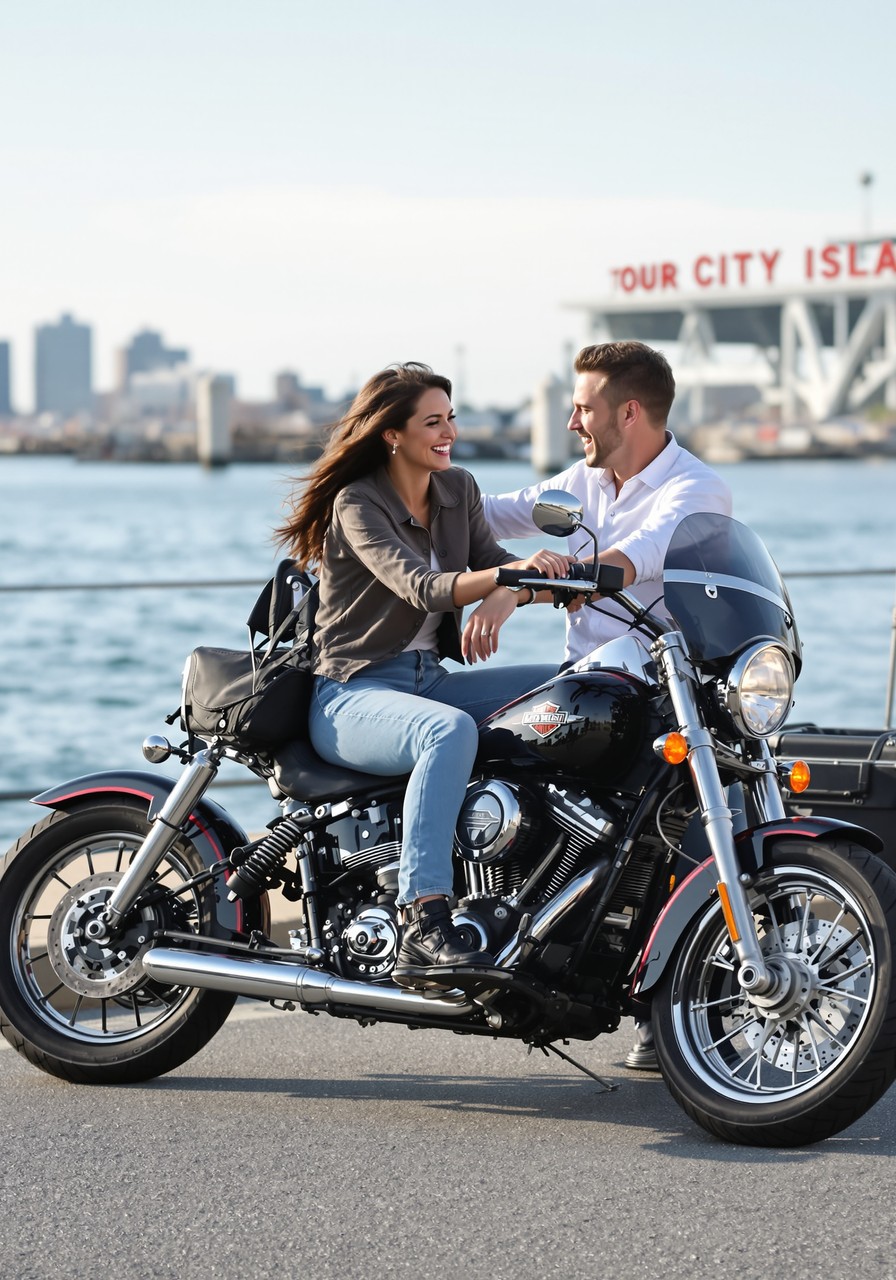
Caption this: your bike under the first snow of the season. Best line wins. #RideNationNY #TwoWheels #BikerLife
Giveaway & Countdown
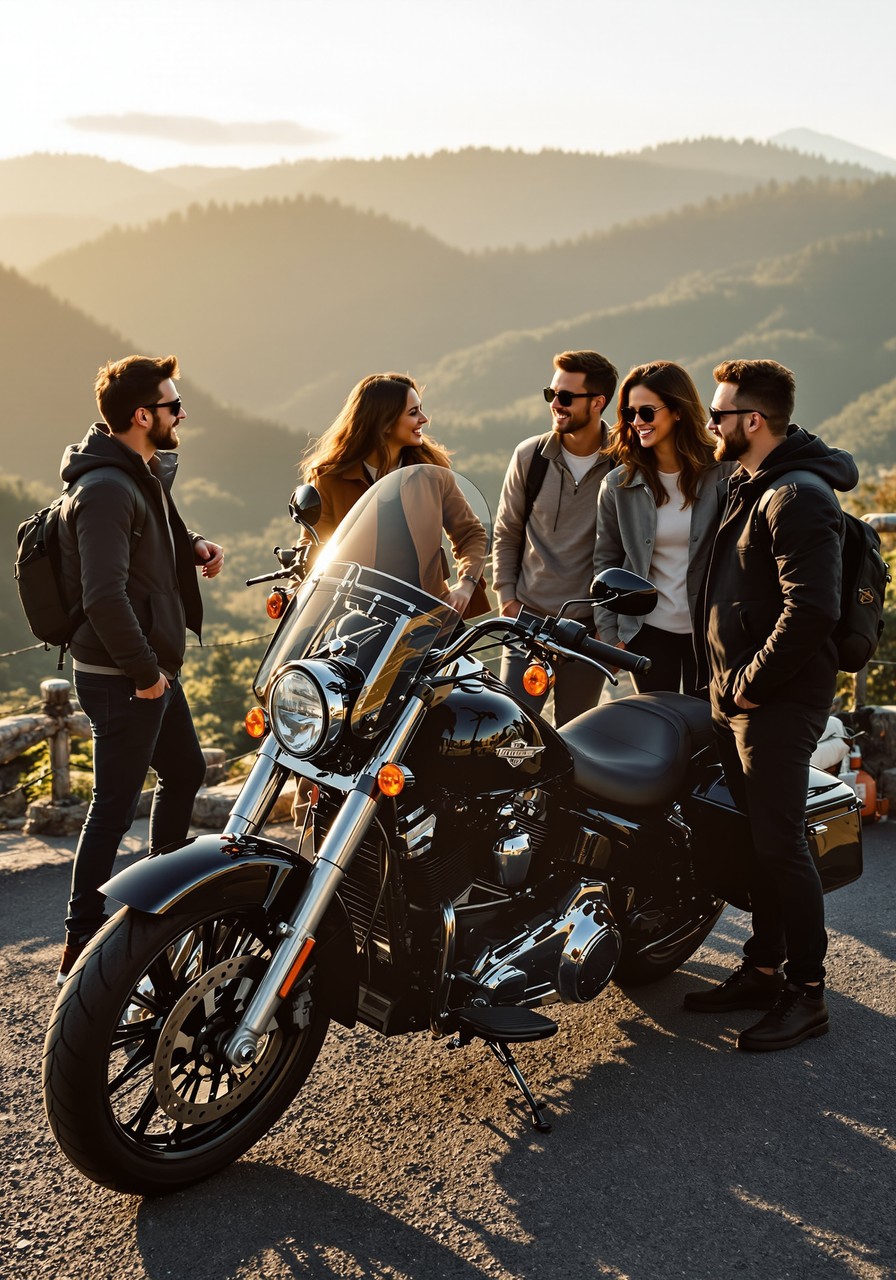
Ride Nation NY, tag a riding buddy who needs a new bike. One of you could walk away with $20,000 from BikersWin. Link in comments. #RideNationNY #BikersWin #NYCMotorcycles
Local NY & Rides
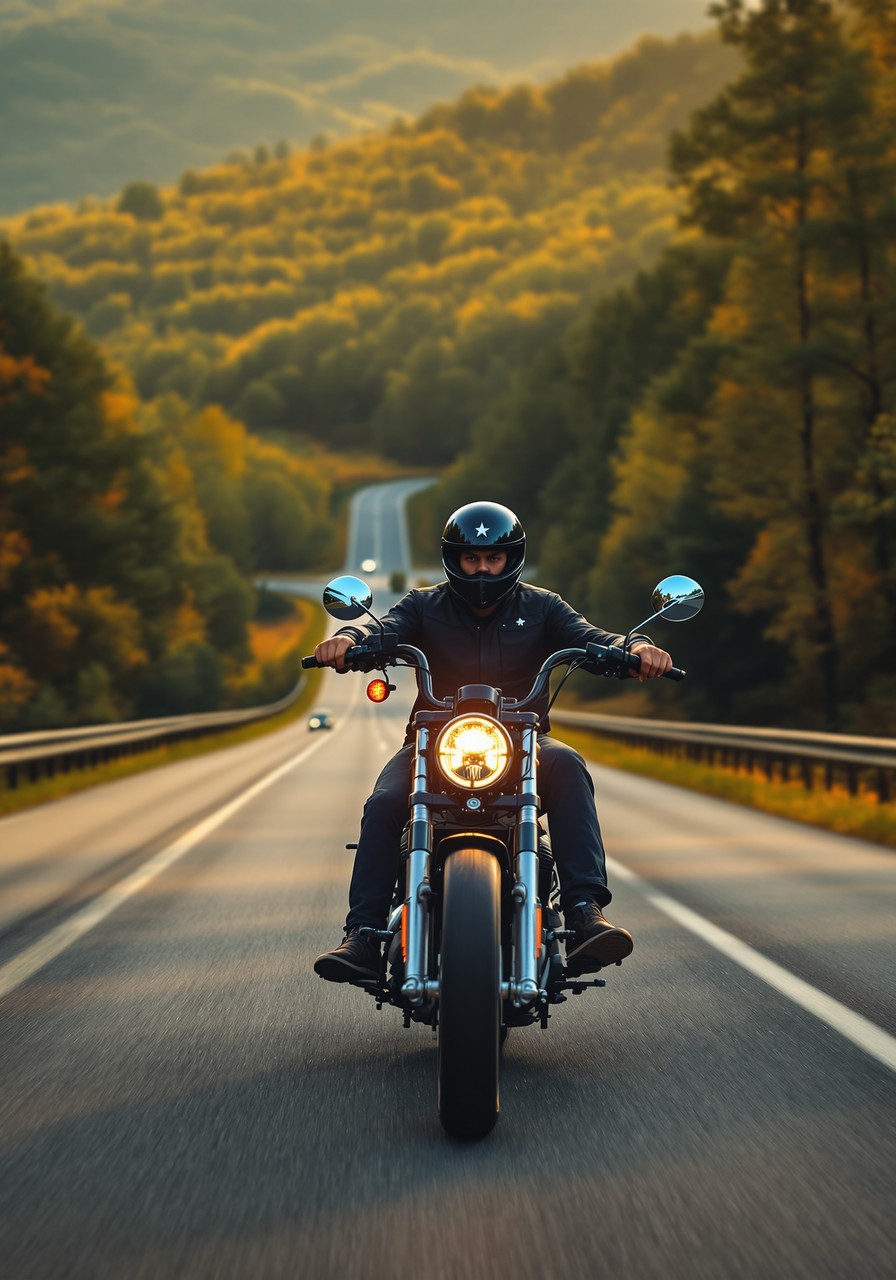
Palisades Interstate Parkway northbound early is a gift. Smooth pavement, river on your right, barely a truck in sight before the coffee crowd wakes up. #RideNationNY #Palisades #NYRiders
Gear & New Iron
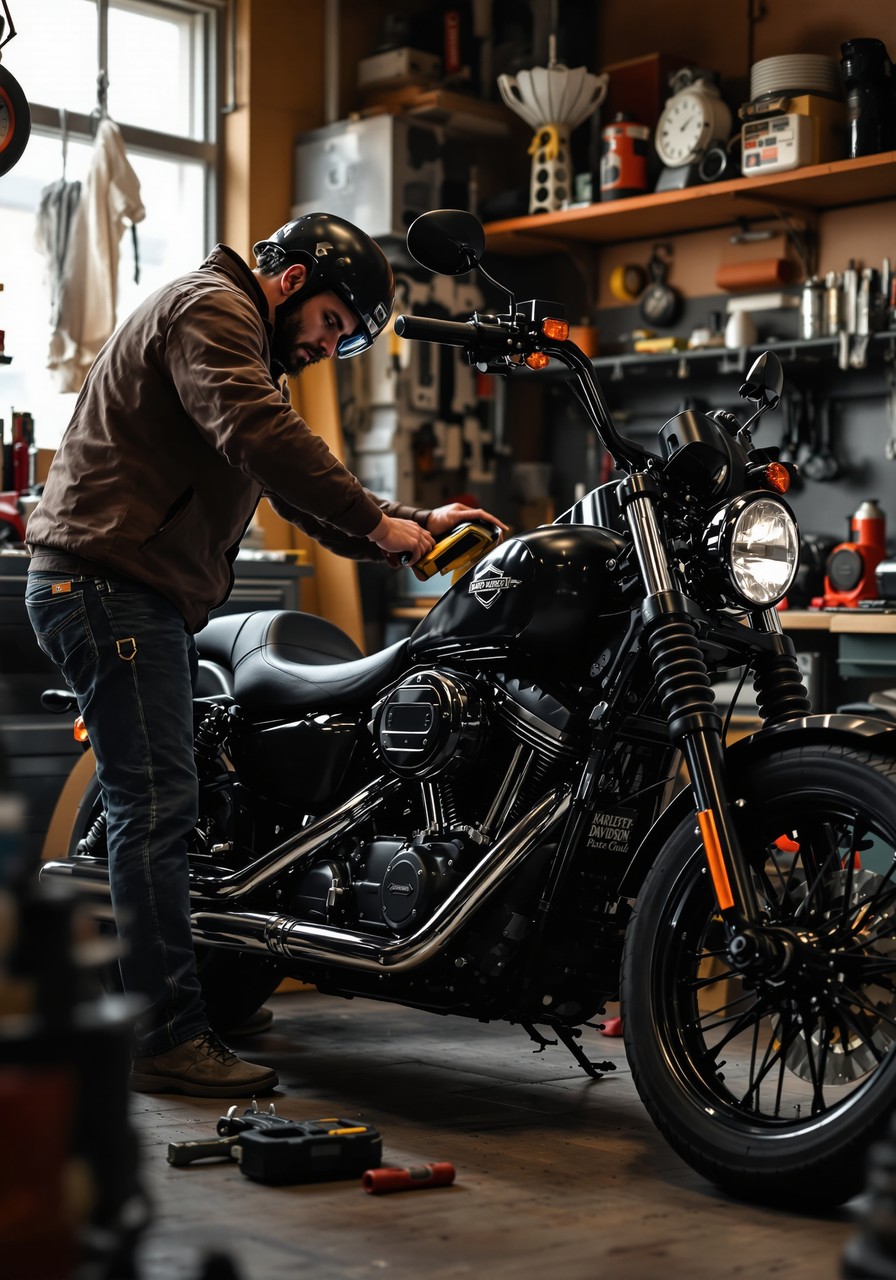
That jacket is only armor if it has armor. Look for CE-rated pads at the shoulders, elbows, and back, not just foam pretending to be protection. #RideNationNY #ATGATT #GearUp
Safety & NY Law
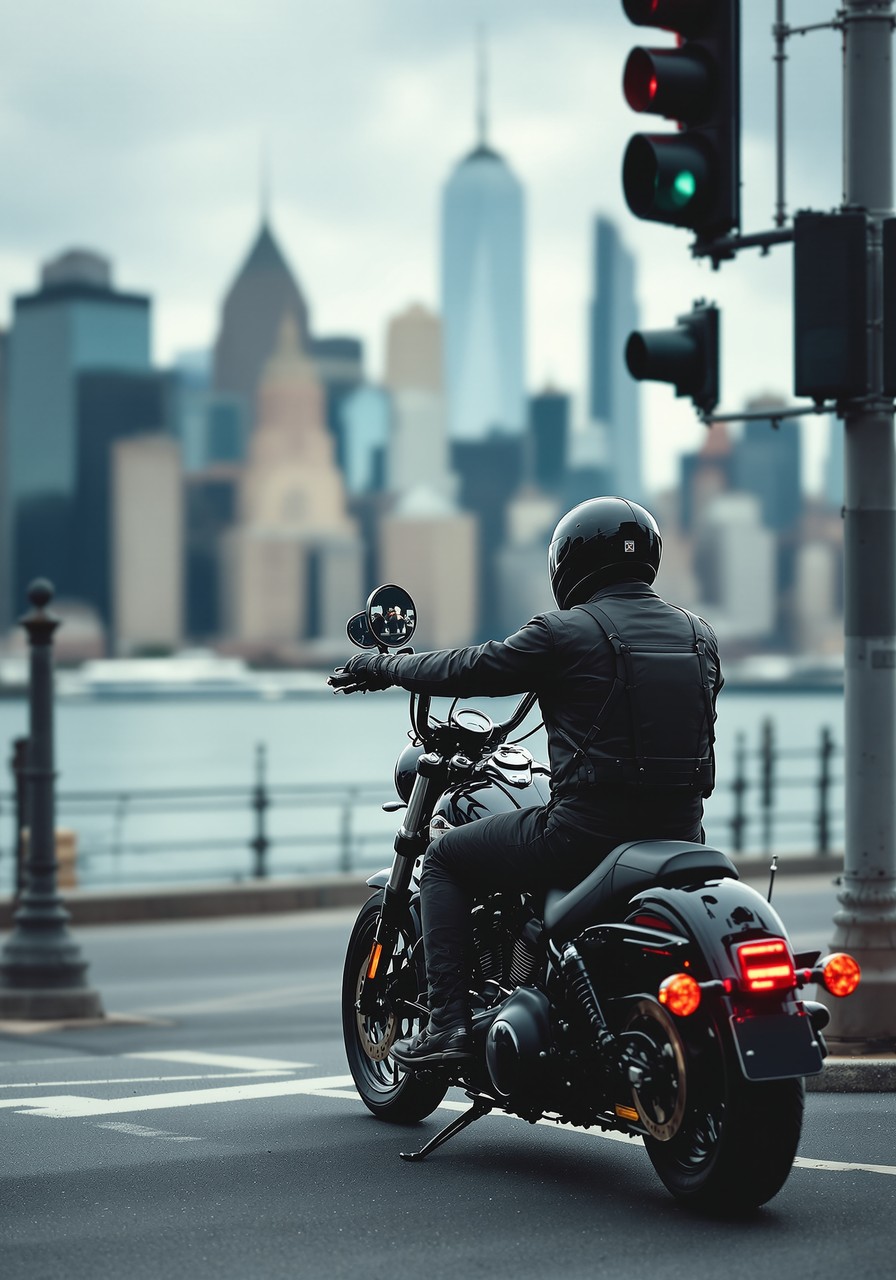
Because NY no-fault skips motorcyclists, your own health coverage does the heavy lifting after a wreck. Check it before you need it. Questions about your protection? Mary Ellen O'Connor and O'Connor Law, 914-595-4502. #RideNationNY #RiderSafety #KnowYourRights
Engagement
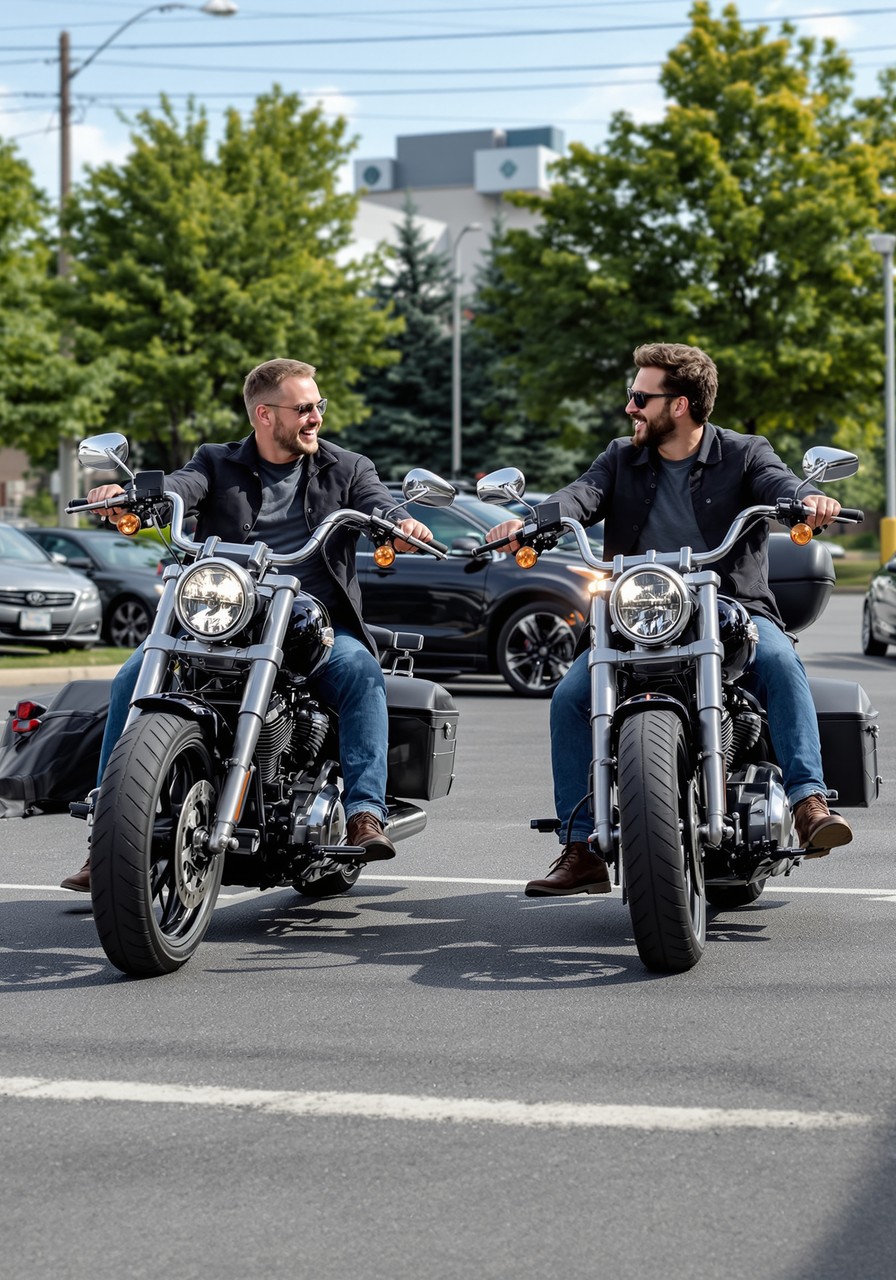
Poll: heated grips or just tough it out? Drop your vote. #RideNationNY #NYRiders #TwoWheels
Giveaway & Countdown
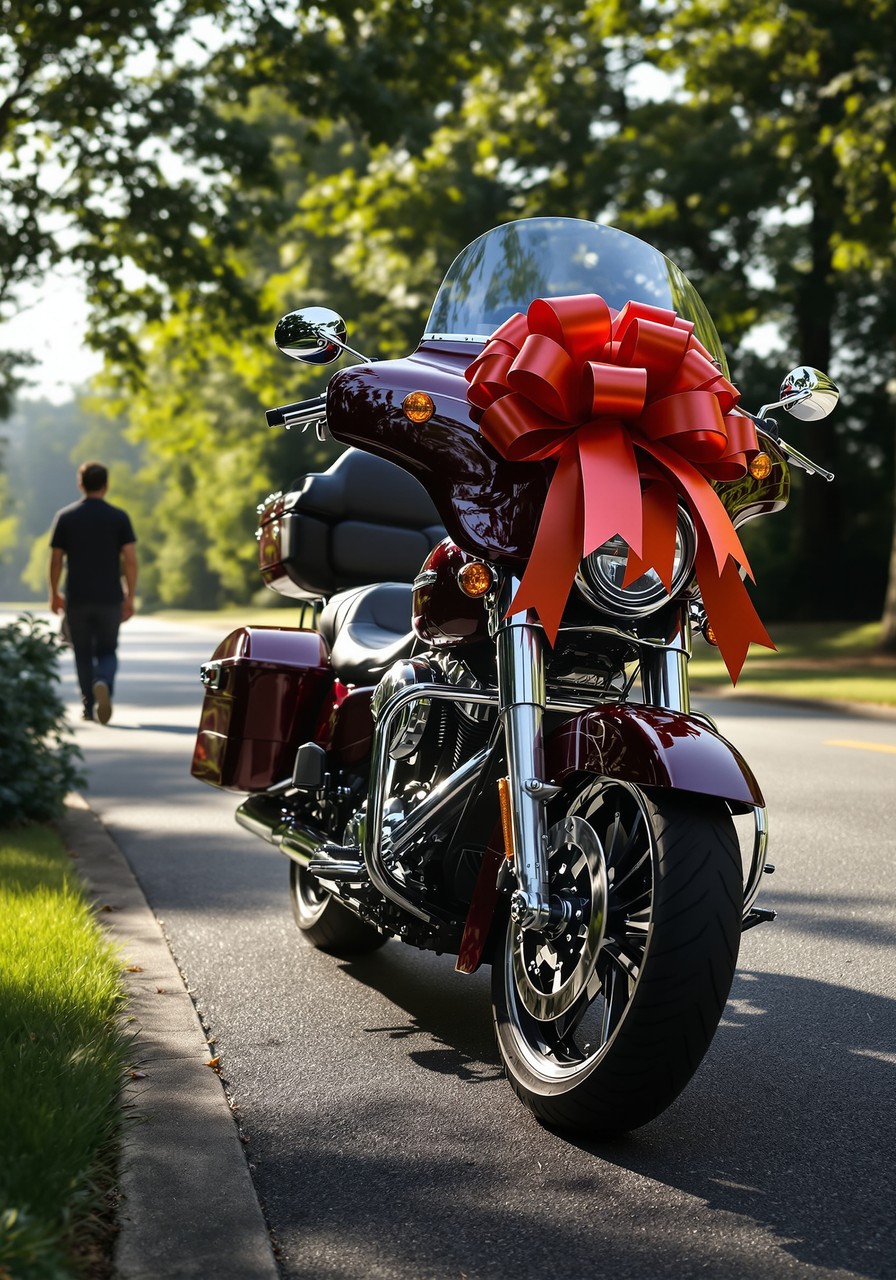
Why not you? Somebody wins the $20,000 BikersWin giveaway on December 10. Might as well be a New York rider. Entry link in the comments. #RideNationNY #20kGiveaway #NYRiders
Local NY & Rides
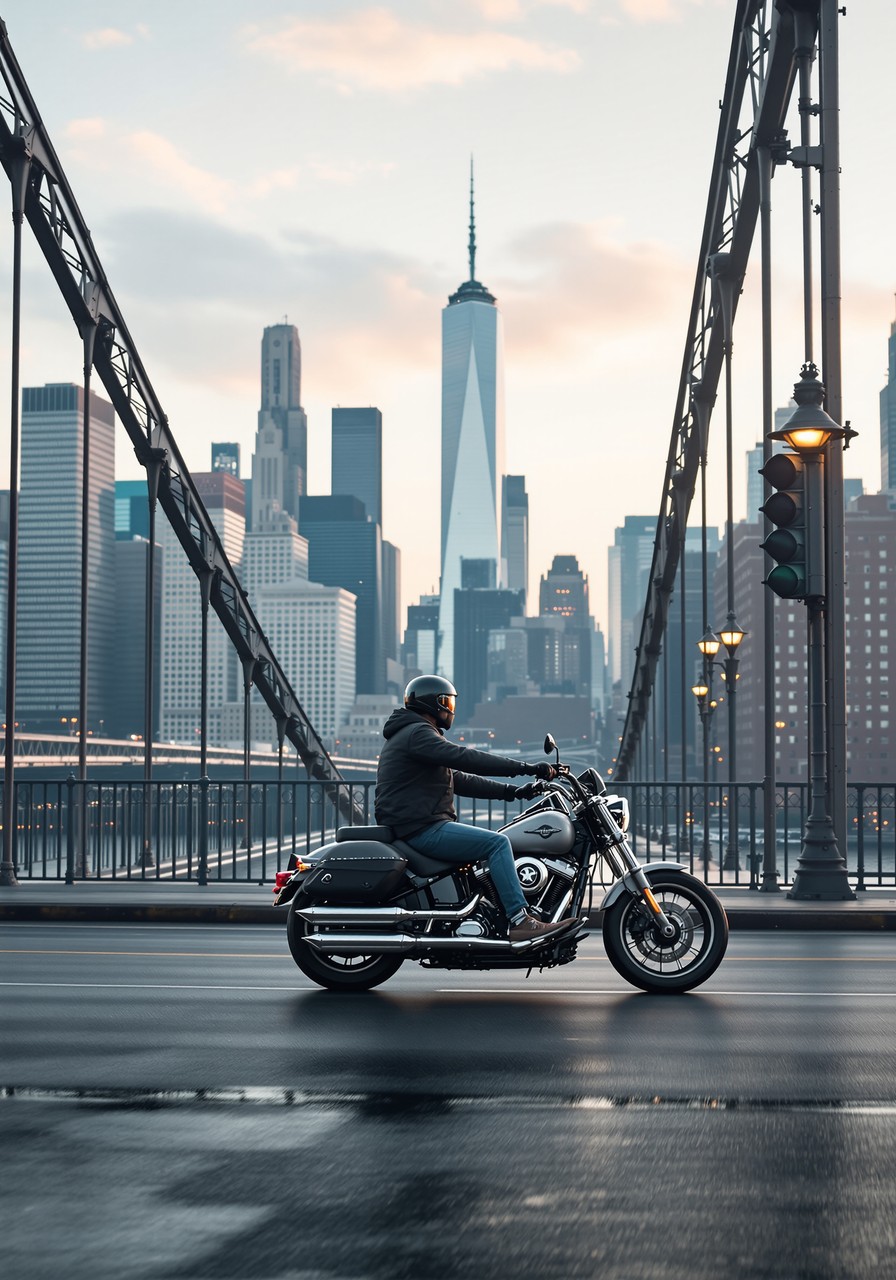
Cold Spring makes a perfect turnaround. Park by the river, grab lunch, watch the trains, then point it back down 9D. #RideNationNY #HudsonValley #MotorcycleRoads
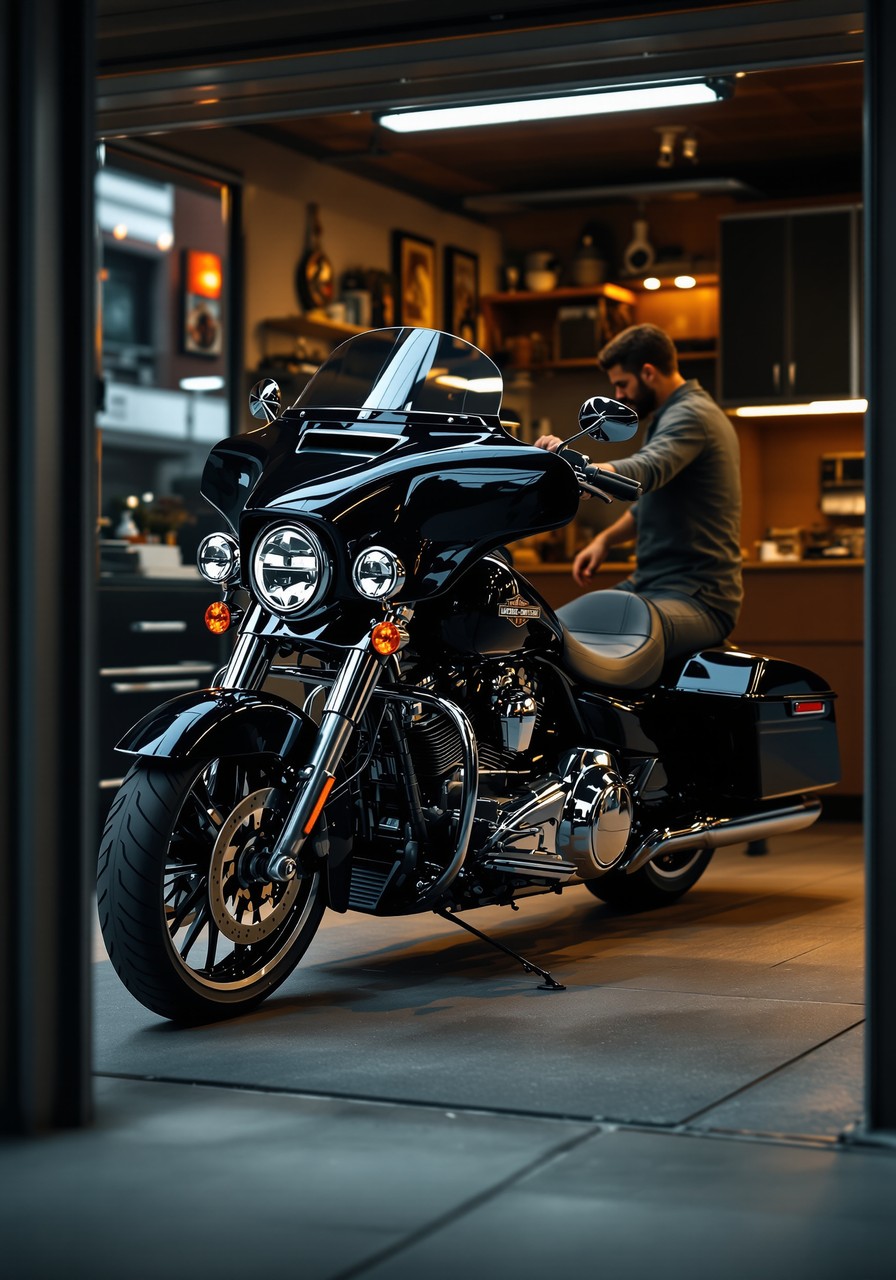
Gear & New Iron
A back protector is the cheapest insurance you'll ever buy. Slide a CE Level 2 insert into that empty jacket pocket before your next ride. #RideNationNY #ATGATT #RiderTips
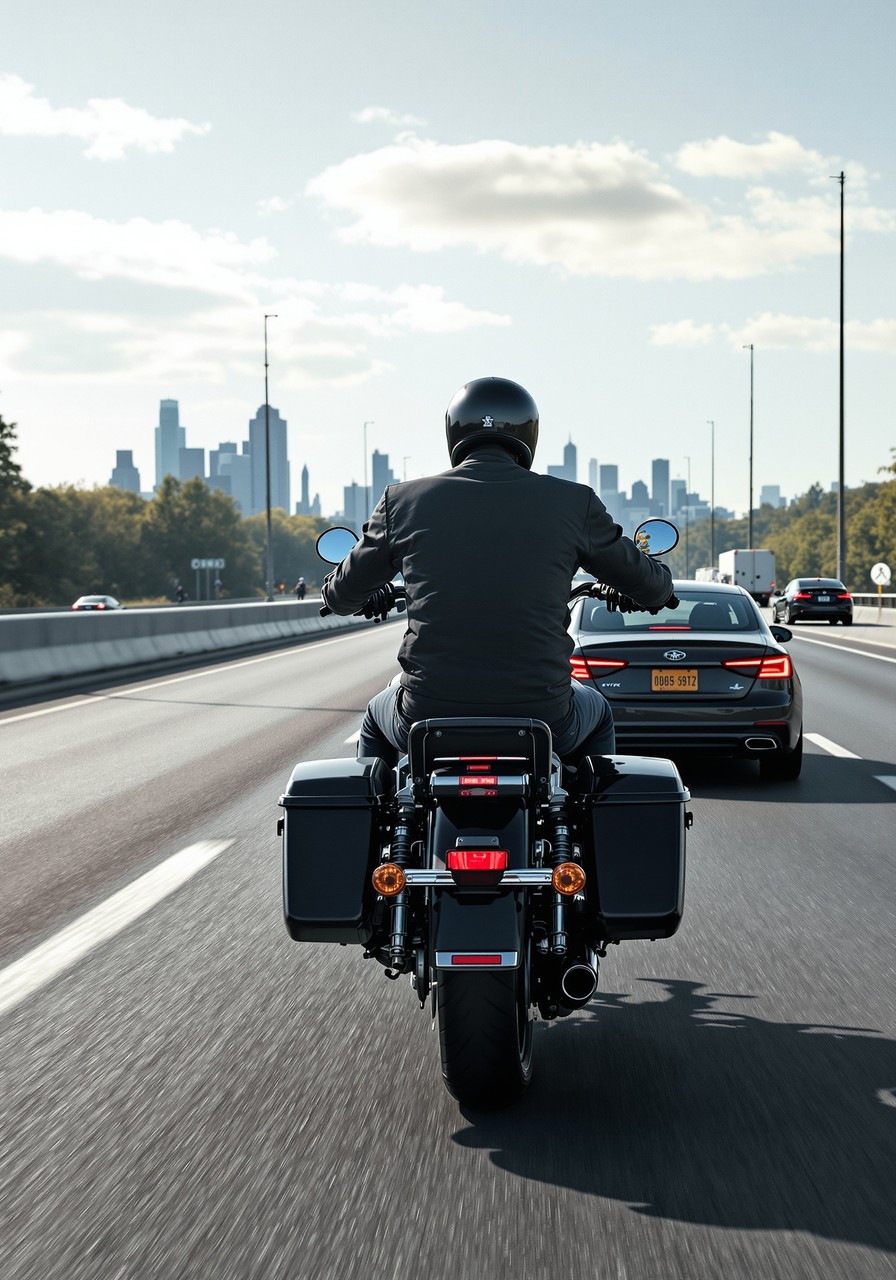
Safety & NY Law
New York only makes the other driver carry 25/50/10 liability. In a serious metro crash that limit runs out fast. Wondering what is left for you? O'Connor Law, no cost to talk. 914-595-4502. #RideNationNY #UninsuredMotorist #NYRiders
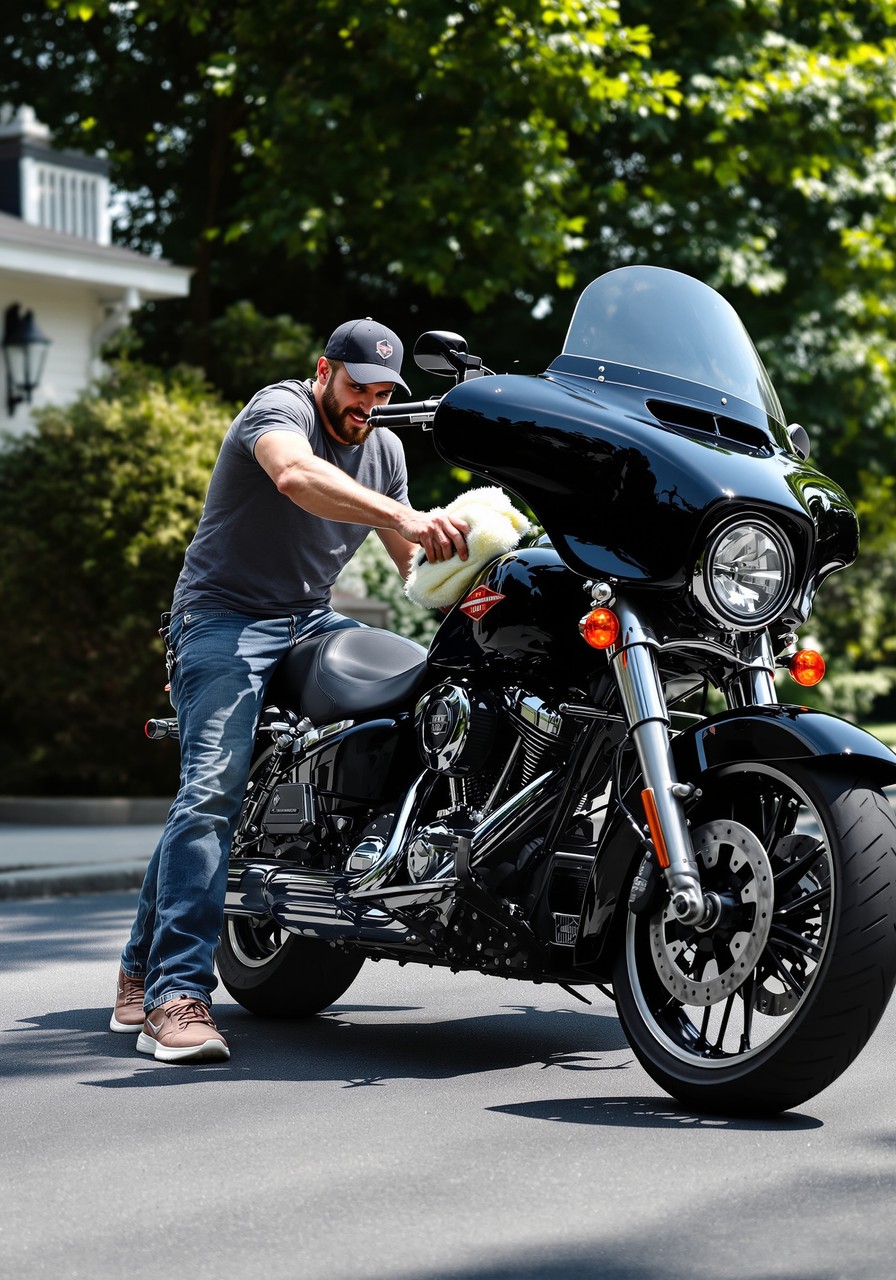
Engagement
Bear Mountain loop or a Hudson Valley backroad crawl? Tell us your pick. #RideNationNY #HudsonValley #TwoWheels
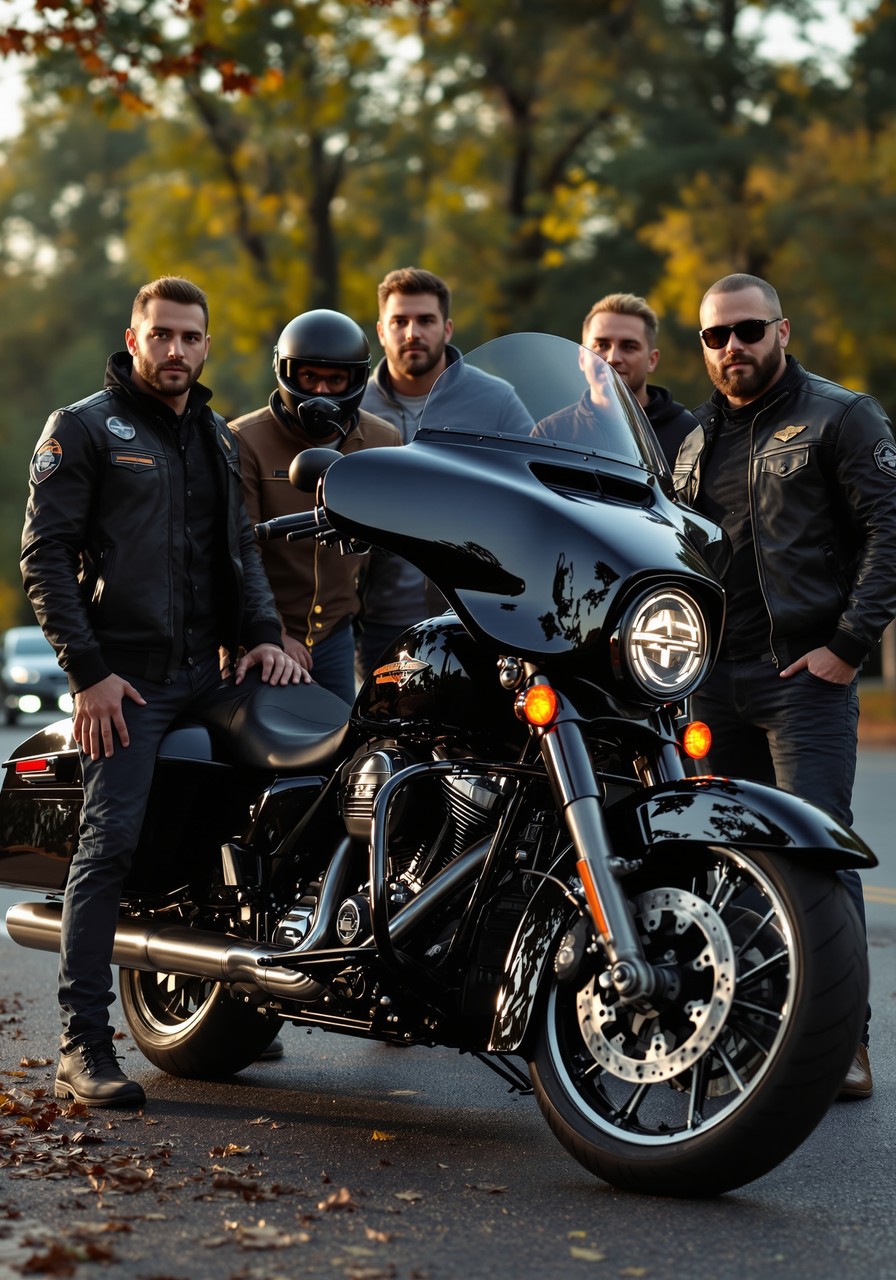
Giveaway & Countdown
What would you buy with $20,000 toward any motorcycle you want? Drop it below, then grab the entry link in the comments. #RideNationNY #MotorcycleGiveaway #WinABike
Local NY & Rides
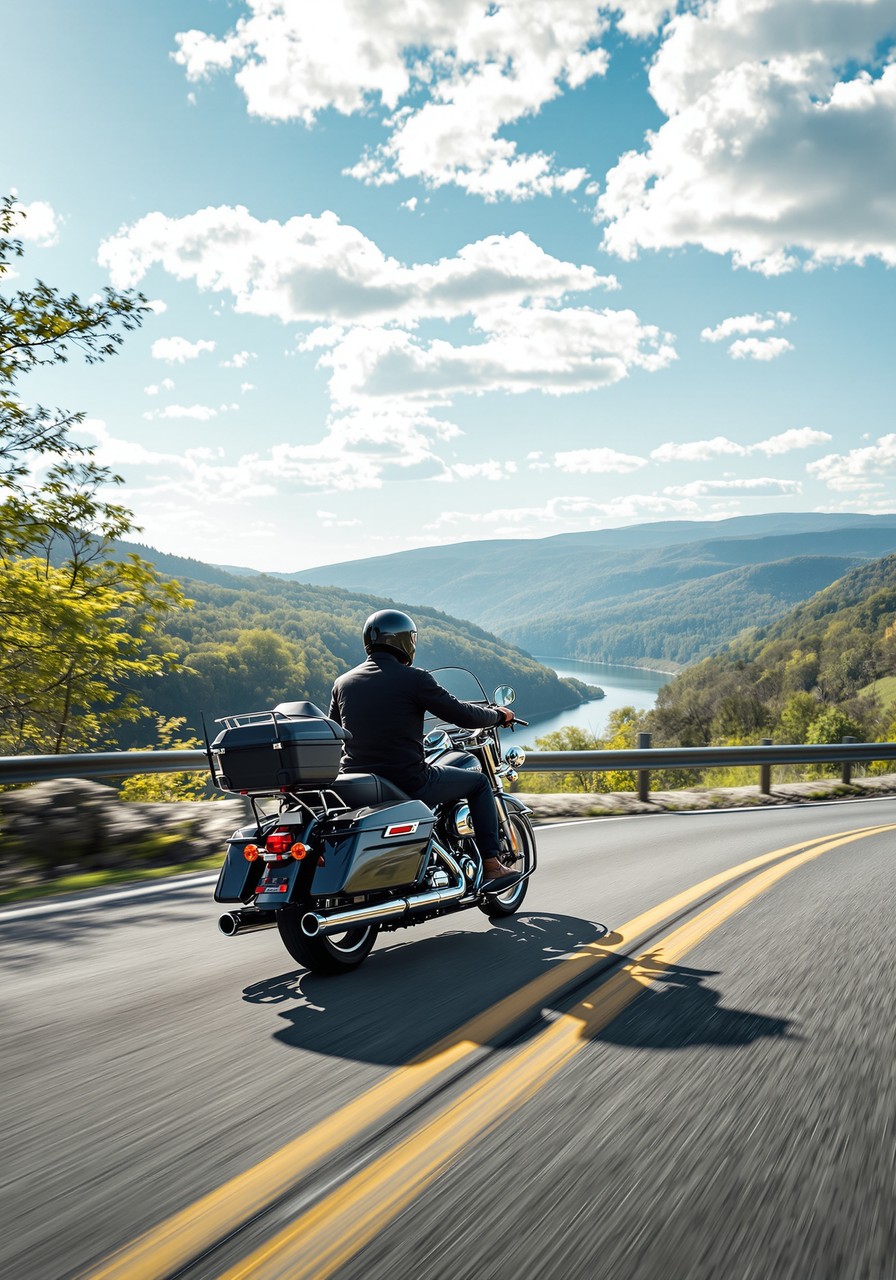
Beacon on a Sunday is worth the ride. Main Street coffee, the mountain behind you, and 9D waiting for the way home. #RideNationNY #HudsonValley #NYRiders
Gear & New Iron
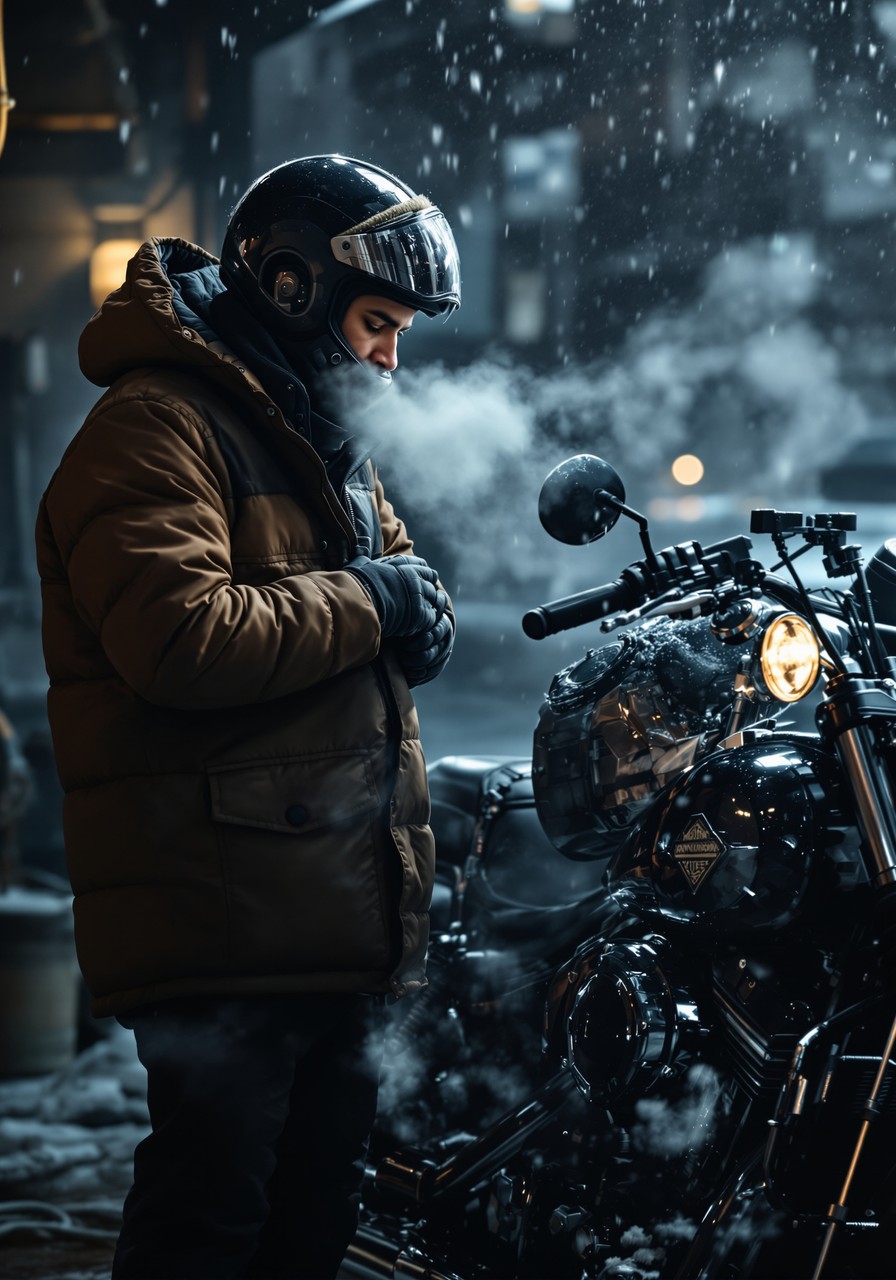
Gloves are not optional in a get-off. Your hands go out first every time, so ride with full-finger gloves that have real palm and knuckle protection. #RideNationNY #GearUp #ATGATT
Safety & NY Law
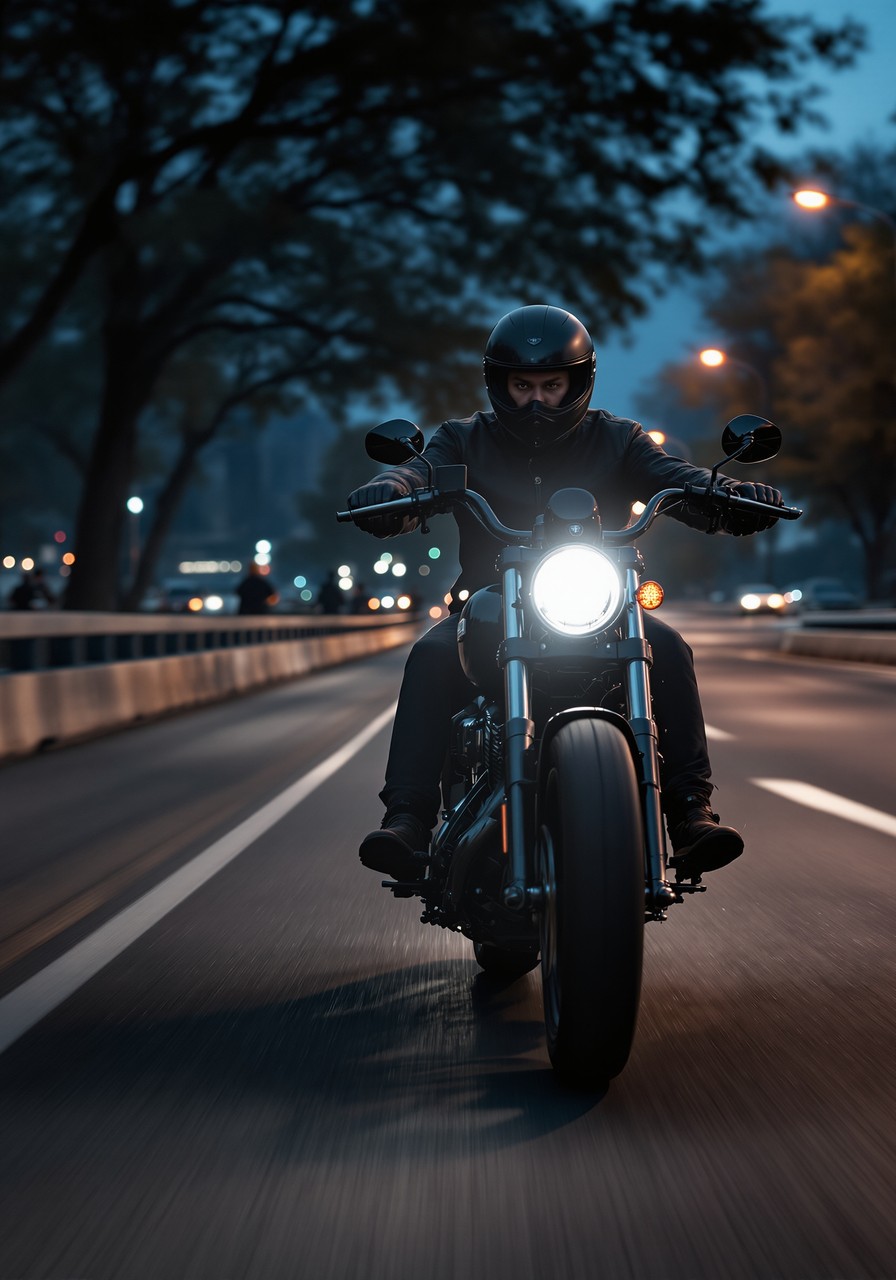
The city is full of minimum-limit and uninsured drivers, so UM and SUM are your real backstop, not a nice-to-have. Add them and check the number. Hurt on two wheels? Mary Ellen O'Connor, O'Connor Law, 914-595-4502. #RideNationNY #UninsuredMotorist #MotorcycleSafety
Engagement
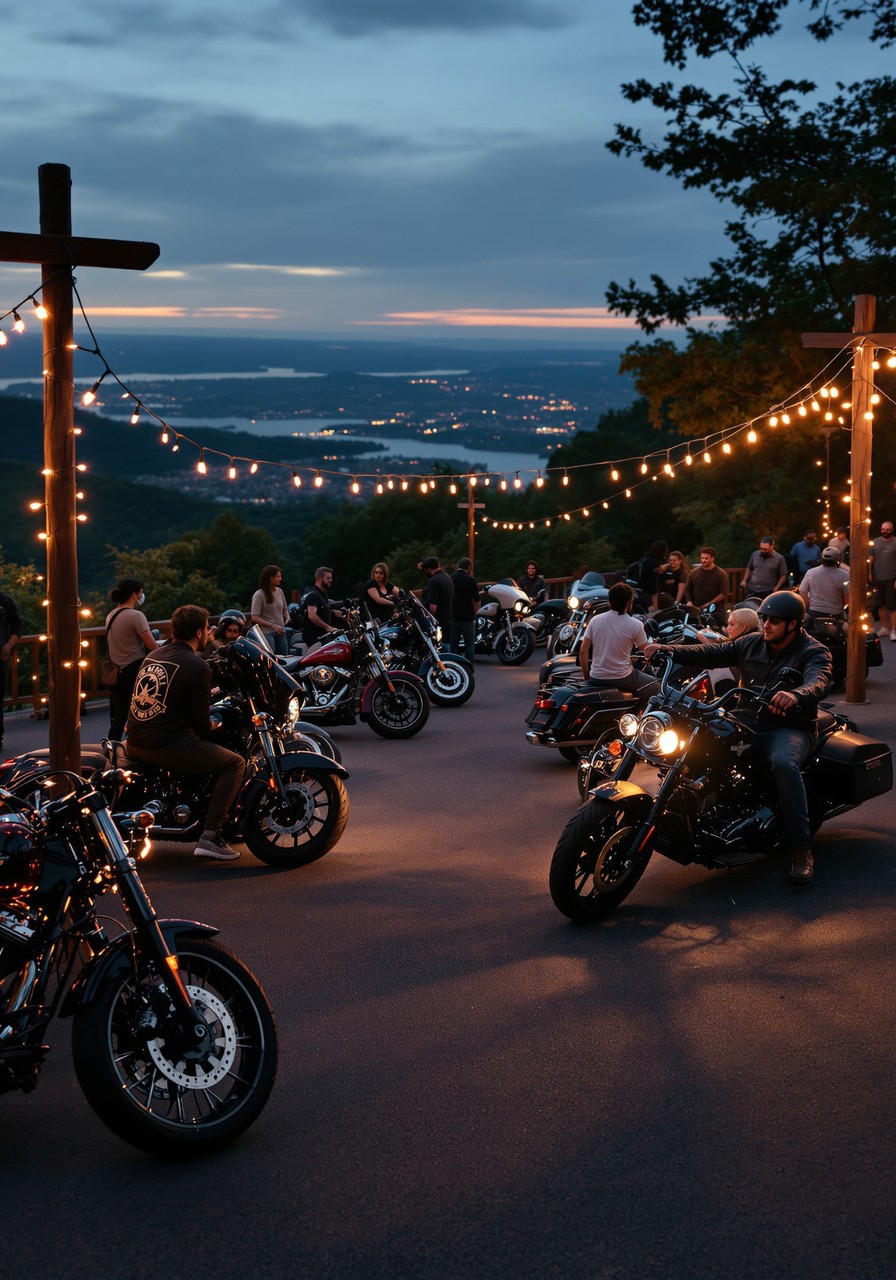
Name the road you dream about all winter. Go. #RideNationNY #NYRiders #RideOrDie
Giveaway & Countdown
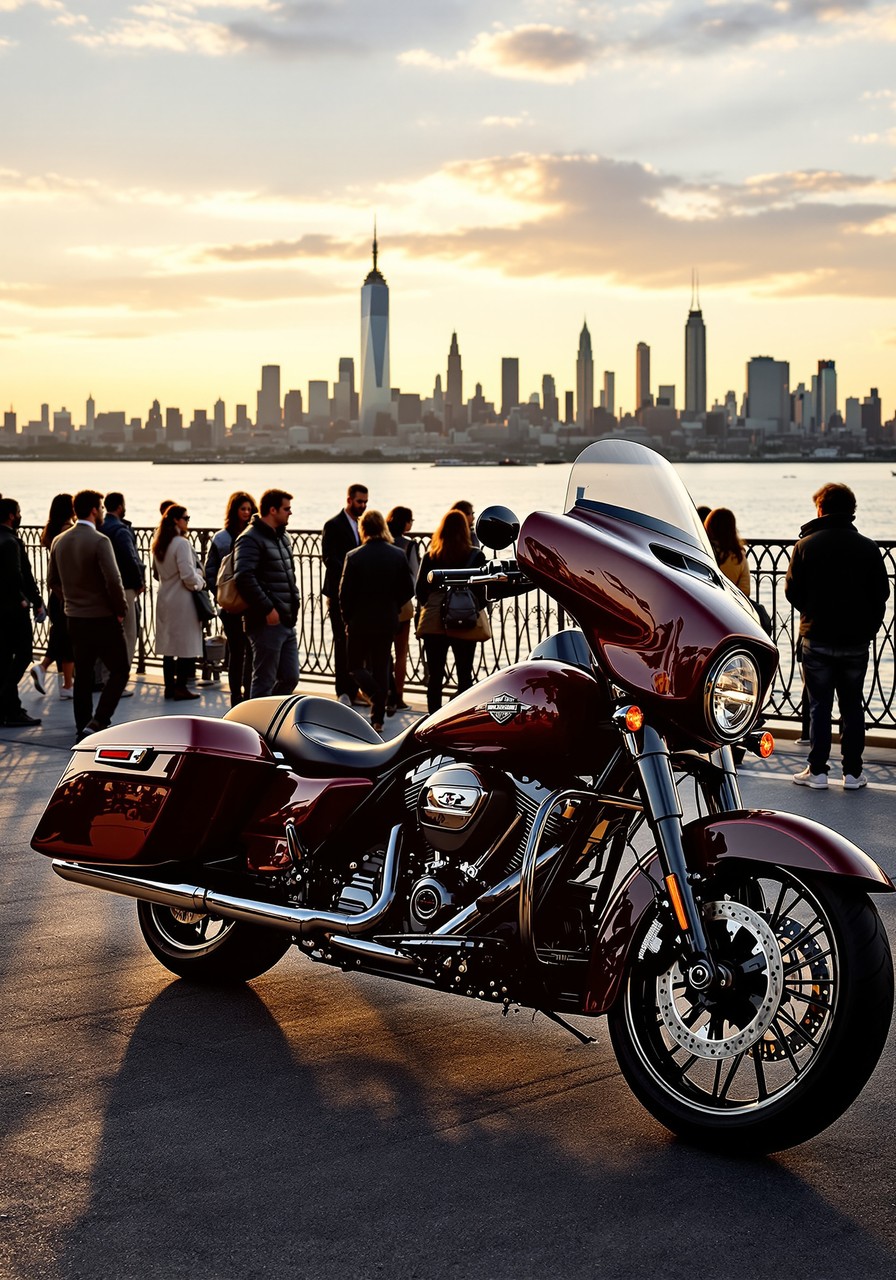
The BikersWin giveaway costs you nothing but two minutes. $20,000 toward the bike of your choice. Drawn December 10. Link in comments. #RideNationNY #FreeToEnter #BikersWin
Local NY & Rides
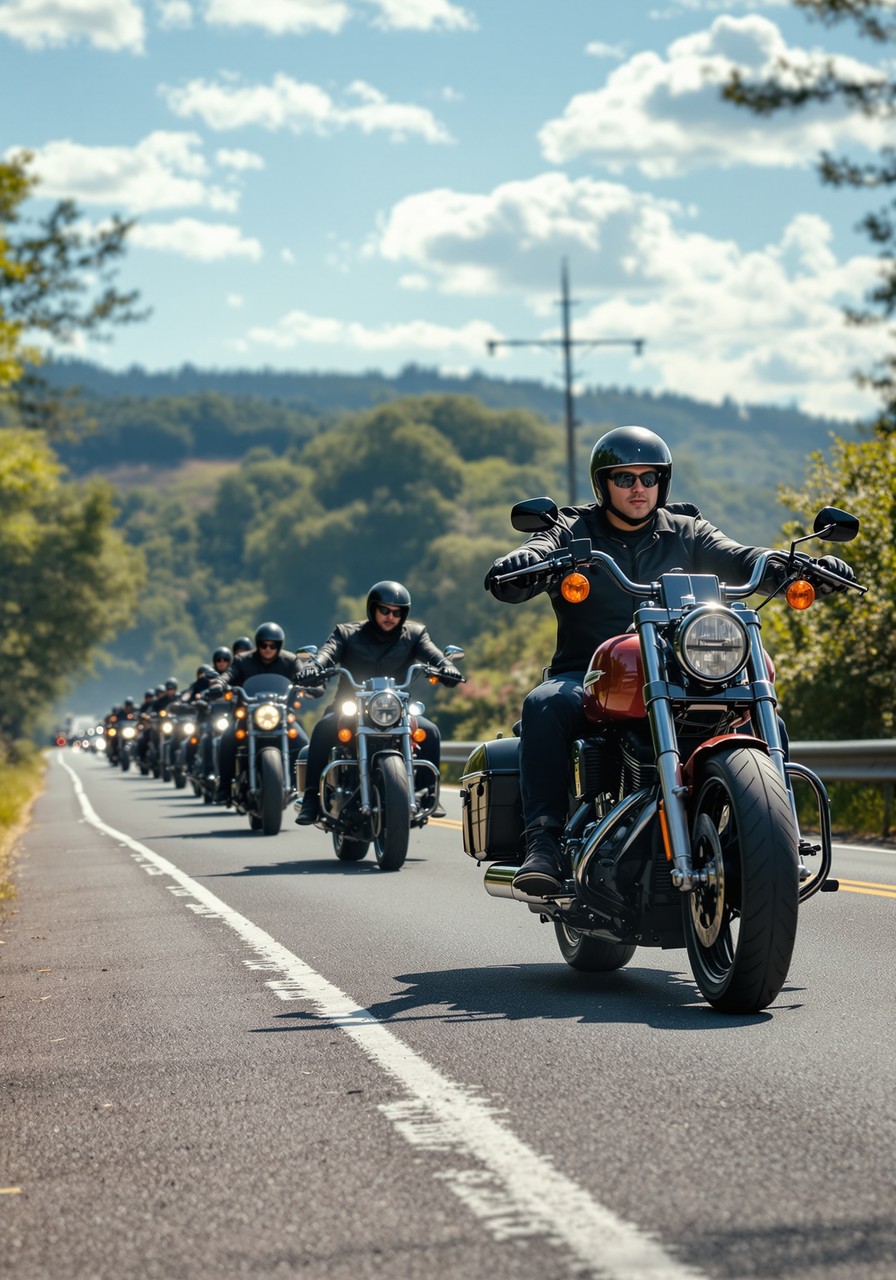
The Taconic is a beautiful road and a serious one. Long clean sweepers, but the pavement changes on you and the county lines show it. Read it, do not trust it. #RideNationNY #HudsonValley #MotorcycleRoads
Gear & New Iron
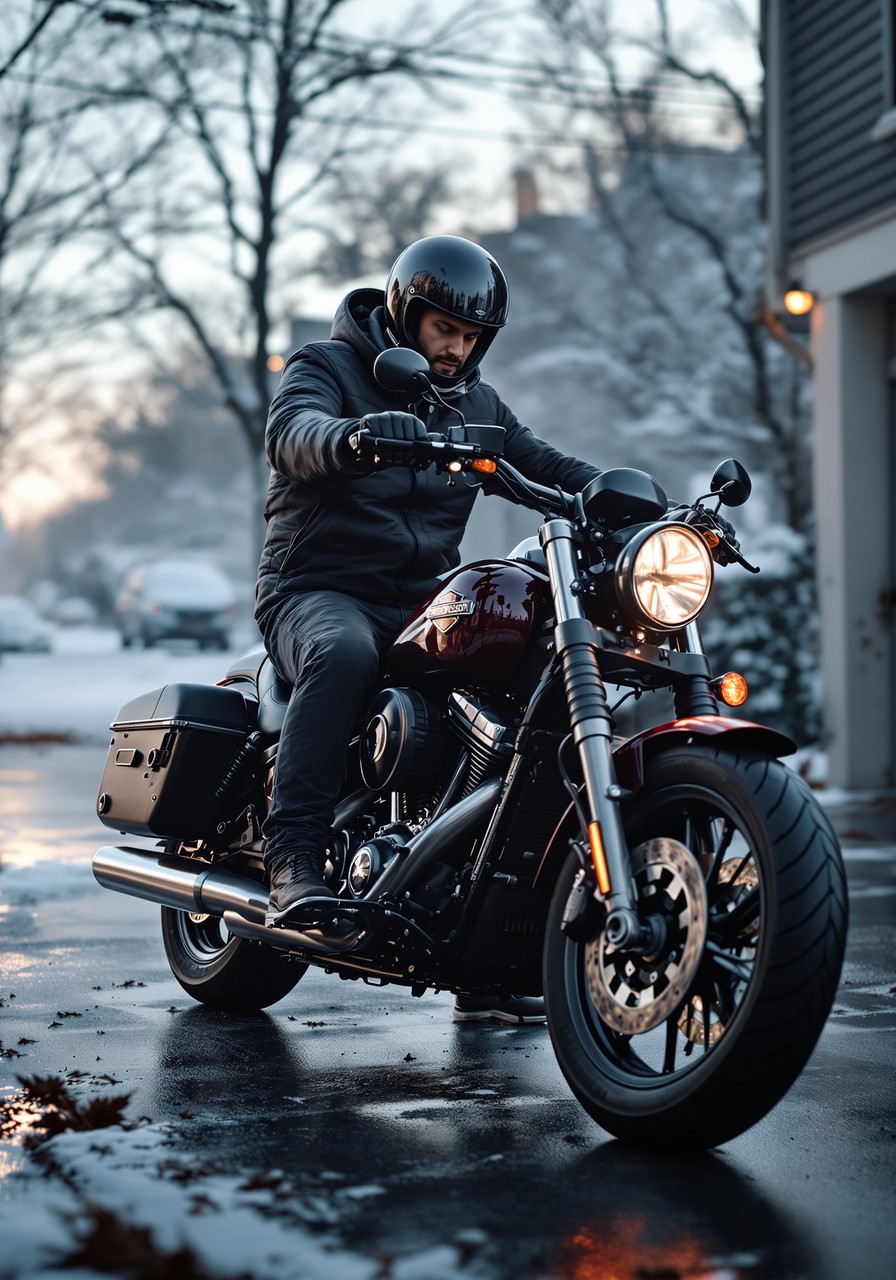
Winter gloves are a whole different animal. Insulated, windproof, and long enough to seal under your jacket cuff so the cold air stops sneaking in. #RideNationNY #ColdWeatherRiding #GearUp
Safety & NY Law
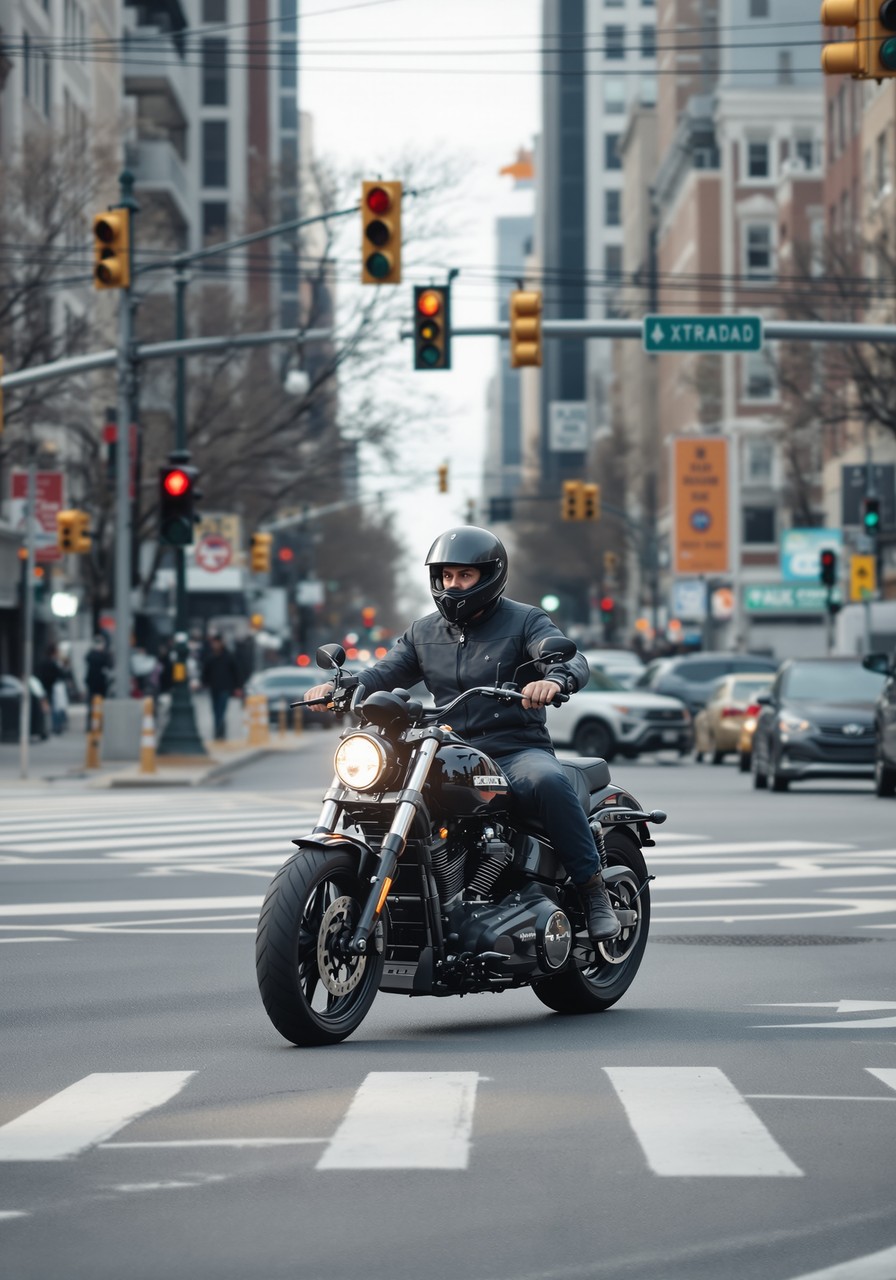
Hit-and-runs happen in NYC traffic. If the driver vanishes, your own uninsured motorist coverage is what stands in for them. Not sure you carry enough? O'Connor Law, free to talk. 914-595-4502. #RideNationNY #UninsuredMotorist #NYRiders
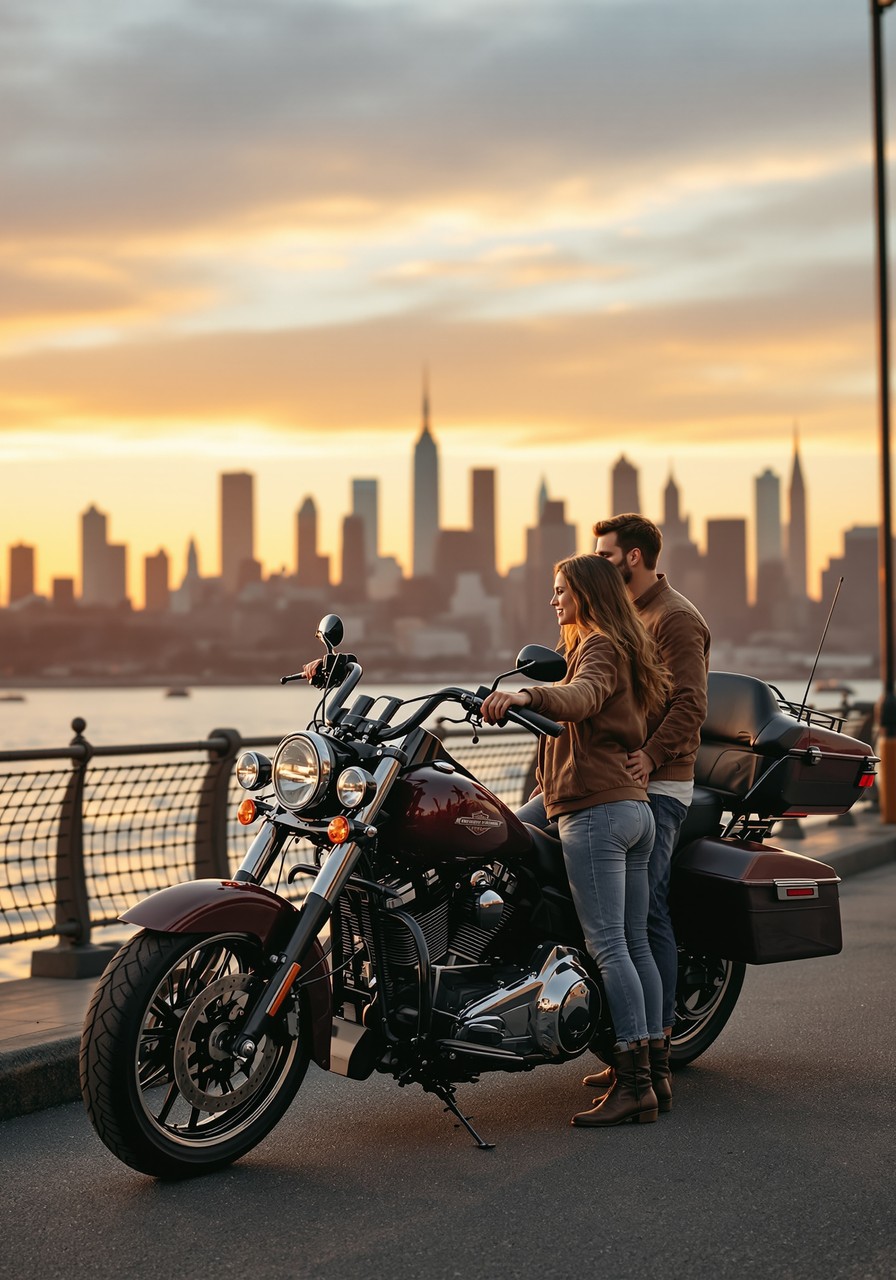
Engagement
Tag the rider who taught you to counter-steer. They earned it. #RideNationNY #RideOrDie #TwoWheels
Giveaway & Countdown
Countdown is on. December 10 the BikersWin winner takes home $20,000. Are you entered yet? Entry link in the comments. #RideNationNY #20kGiveaway #NYCMotorcycles
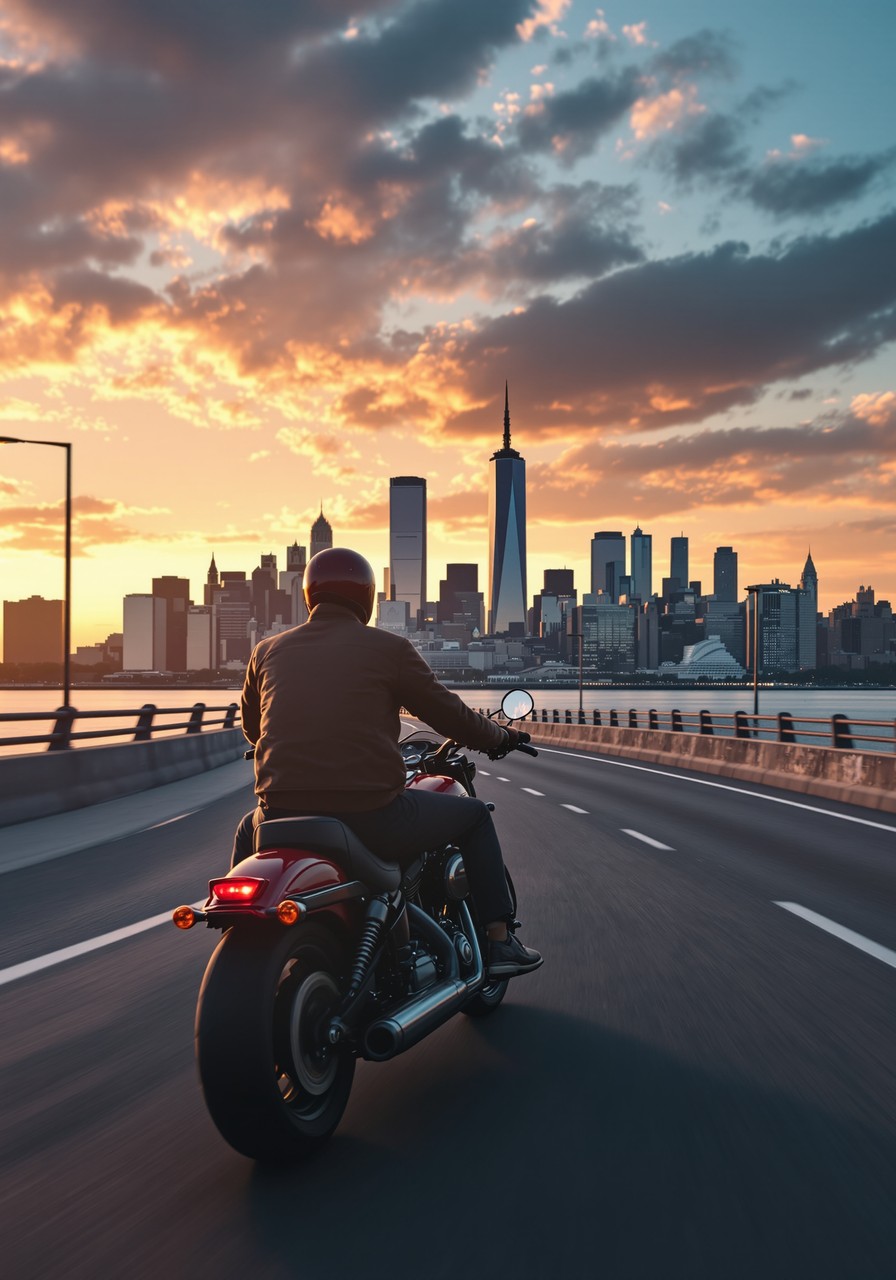
Local NY & Rides
Deer own the Taconic at dusk. If you are riding it as the light drops, back off and cover the brake through the tree lines. #RideNationNY #HudsonValley #NYRiders
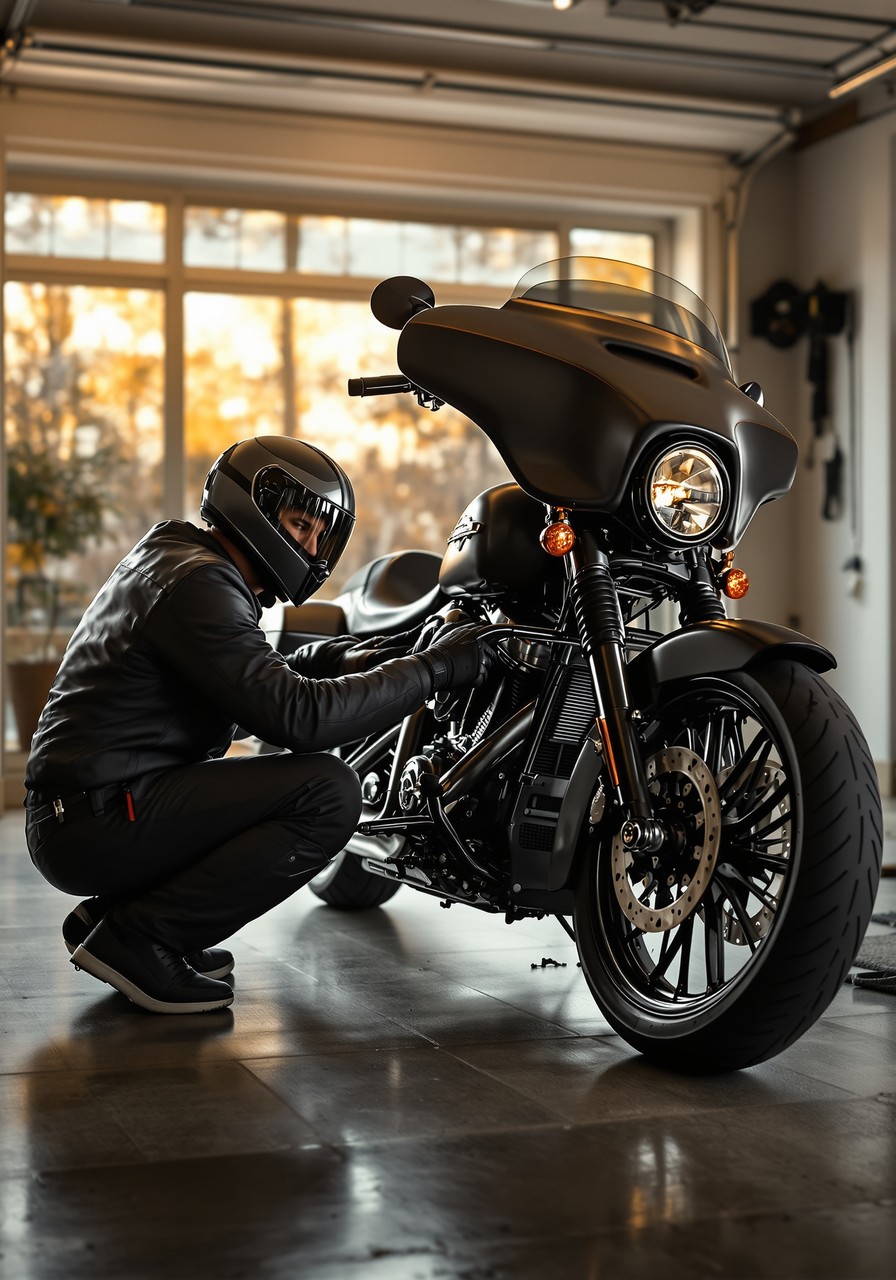
Gear & New Iron
Cold hands mean slow hands on the levers. Heated grips or heated gloves keep your fingers working when a NY morning drops into the 30s. #RideNationNY #ColdWeatherRiding #RiderTips
Safety & NY Law
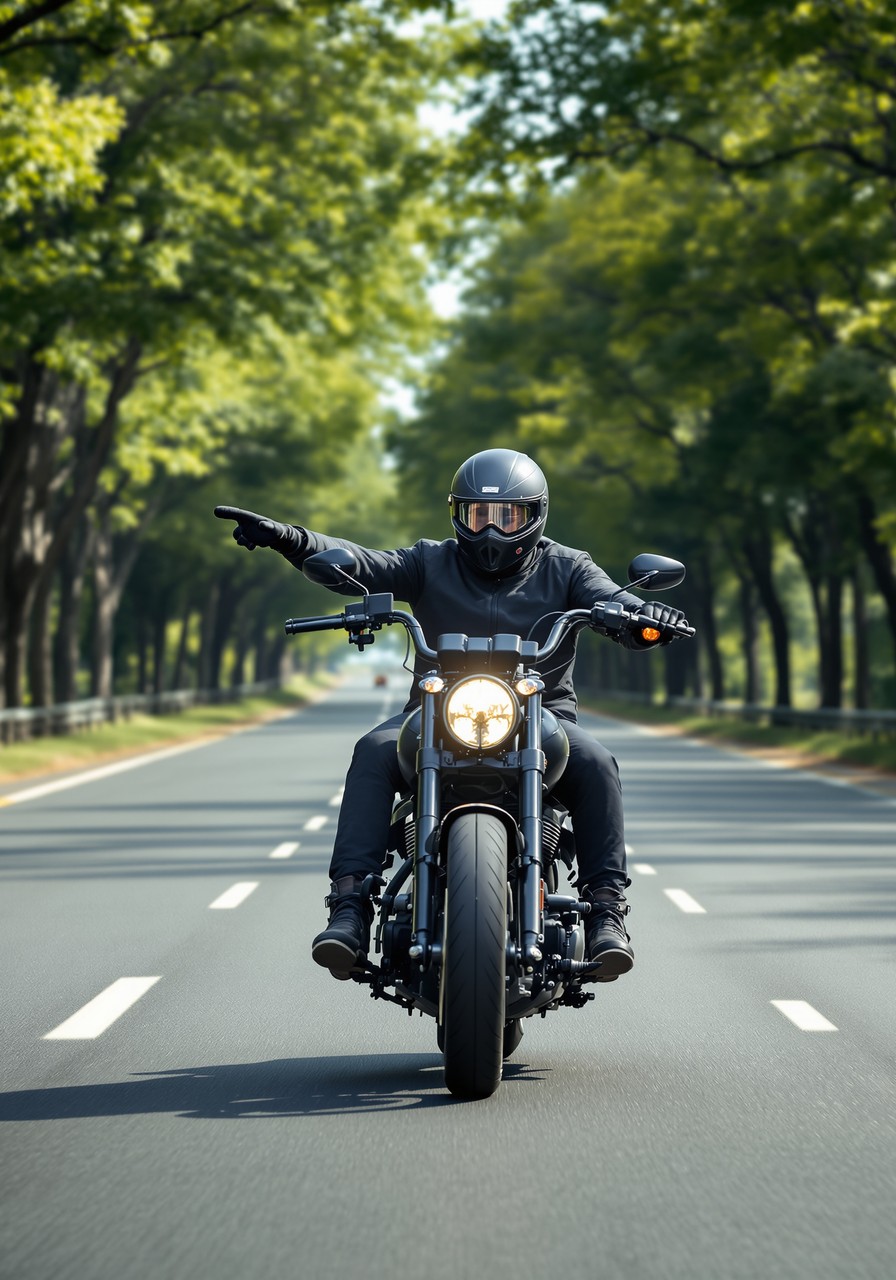
New York runs on pure comparative negligence. Your recovery is reduced by your share of fault, but it is never fully barred. Questions after a crash? Mary Ellen O'Connor and O'Connor Law, 914-595-4502. #RideNationNY #NewYorkLaw #KnowYourRights
Engagement
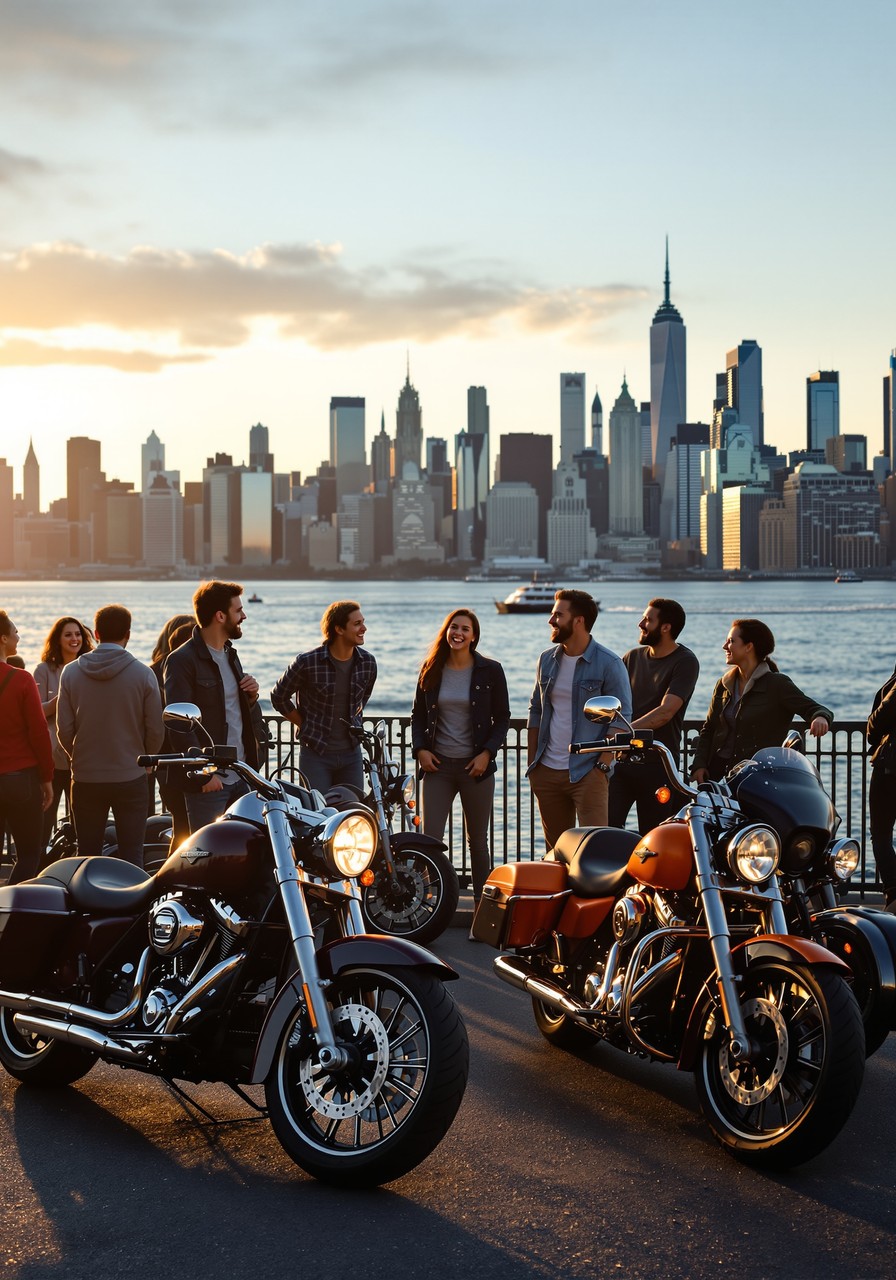
This or that: espresso before the ride or after. There is a wrong answer. #RideNationNY #BikerLife #NYRiders
Giveaway & Countdown
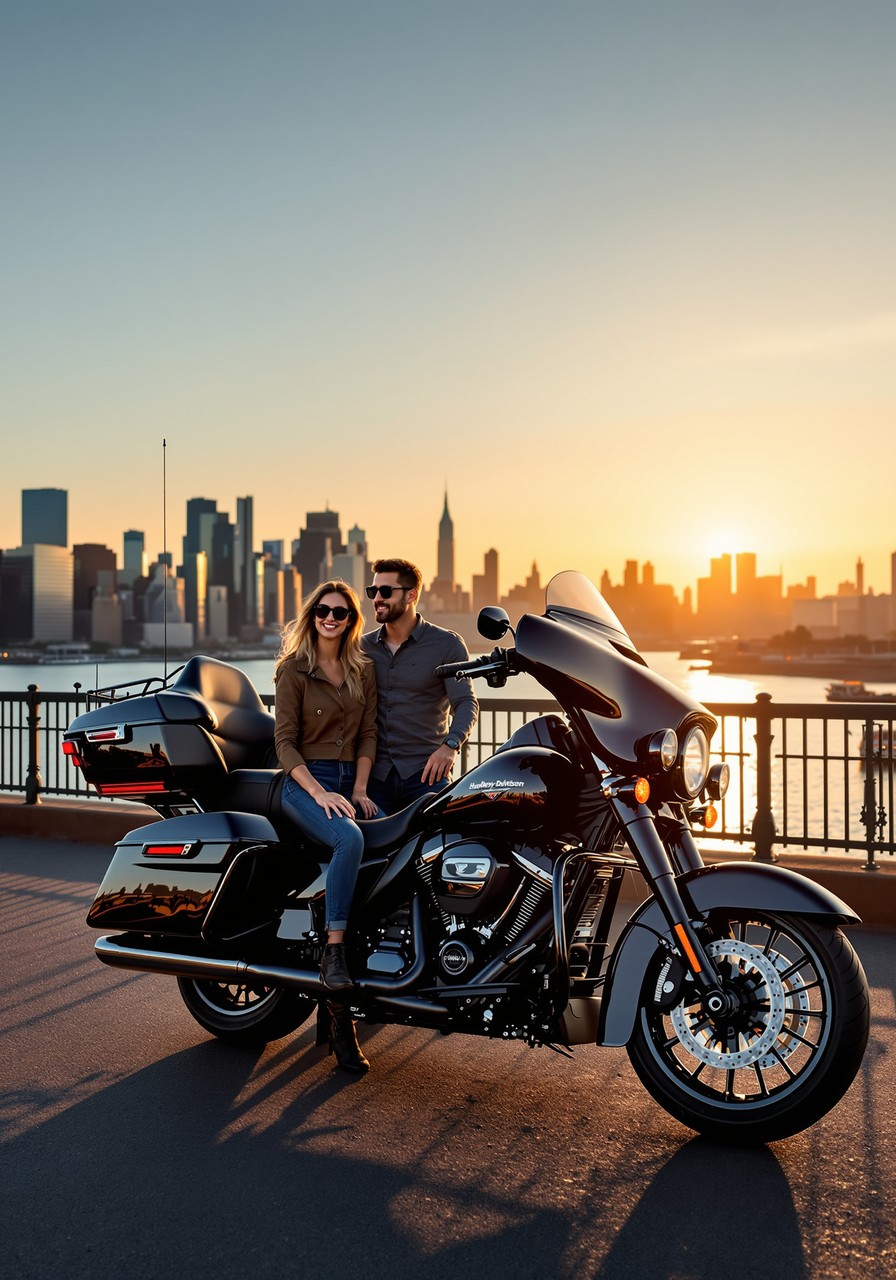
Riders 18 and up, this one is free and the prize is real. $20,000 toward any motorcycle. Link in comments. Questions after a wreck? O'Connor Law, 914-595-4502. #RideNationNY #BikersWin #NYRiders
Local NY & Rides
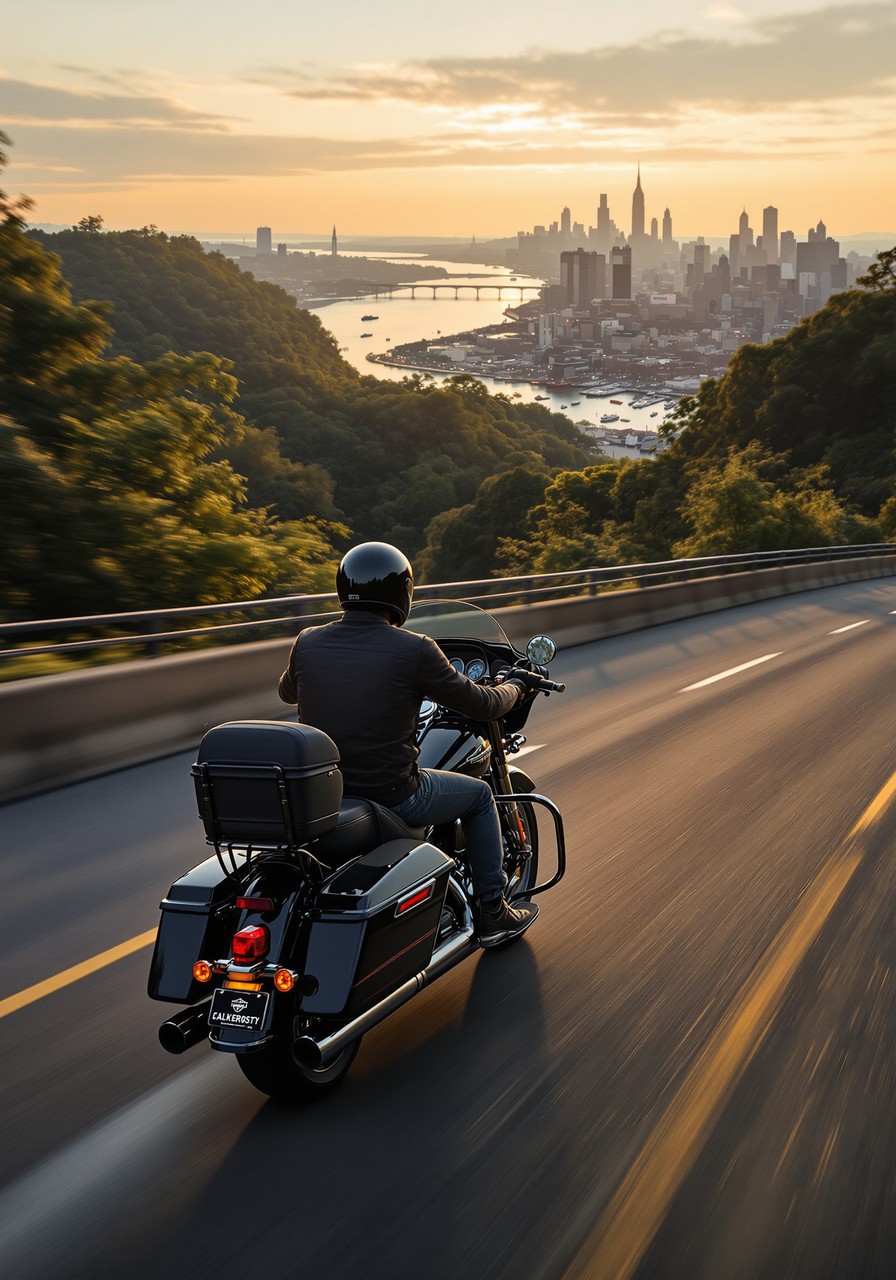
The Bear Mountain Bridge deck is fun and treacherous. Metal grating gets slick in the damp, so relax your grip and roll straight across. #RideNationNY #BearMountain #HudsonValley
Gear & New Iron
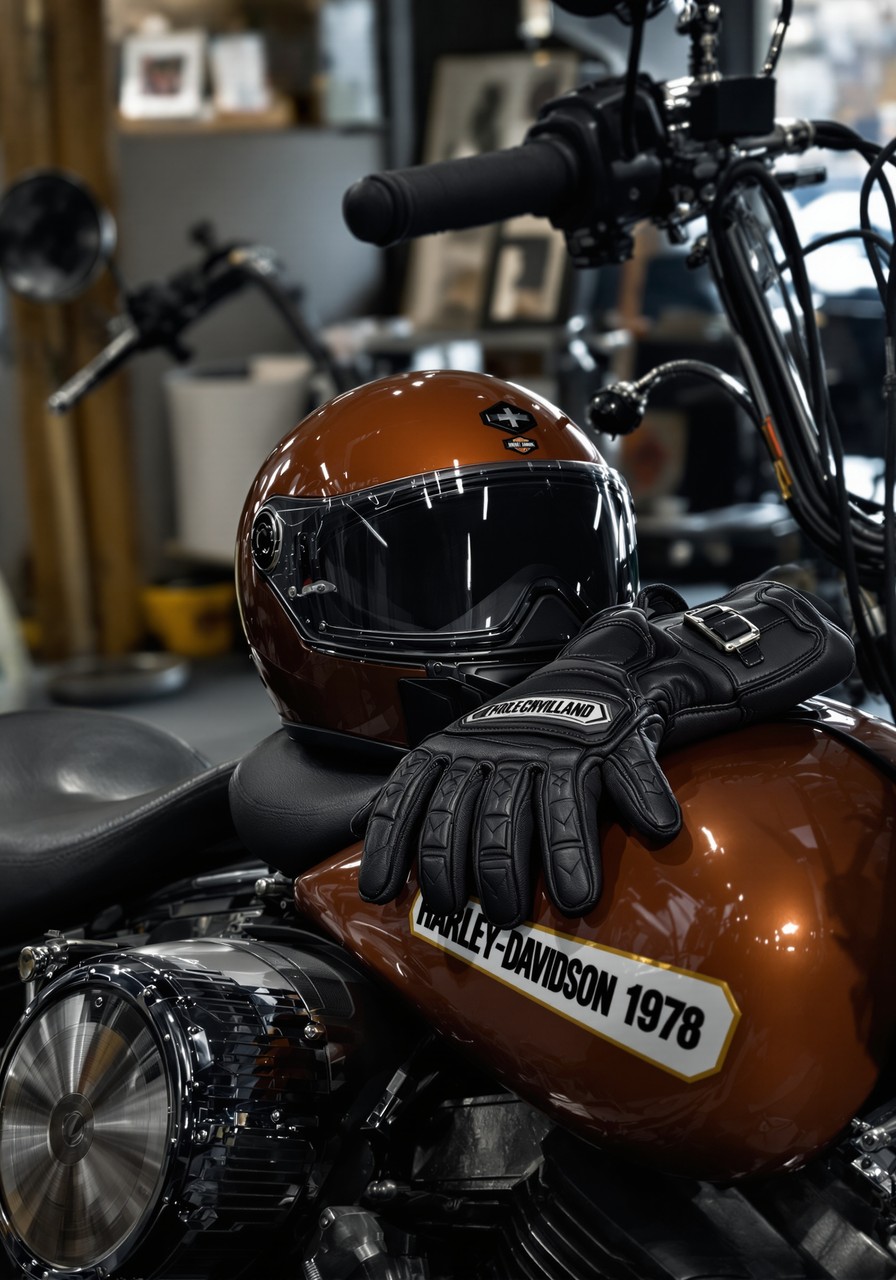
Heated gear is the trick to stretching your NY season. A heated vest keeps your core warm so your body stops stealing heat from your hands and feet. #RideNationNY #ColdWeatherRiding #GearUp
Safety & NY Law
Even partly at fault in NY? You can still recover, just reduced by your percentage. That is exactly why how the crash gets documented matters. Talk it through with O'Connor Law, no cost. 914-595-4502. #RideNationNY #KnowYourRights #NYRiders
Engagement
Finish it: You know it is garage season in NY when _____. #RideNationNY #NYCMotorcycles #BikerLife
Giveaway & Countdown
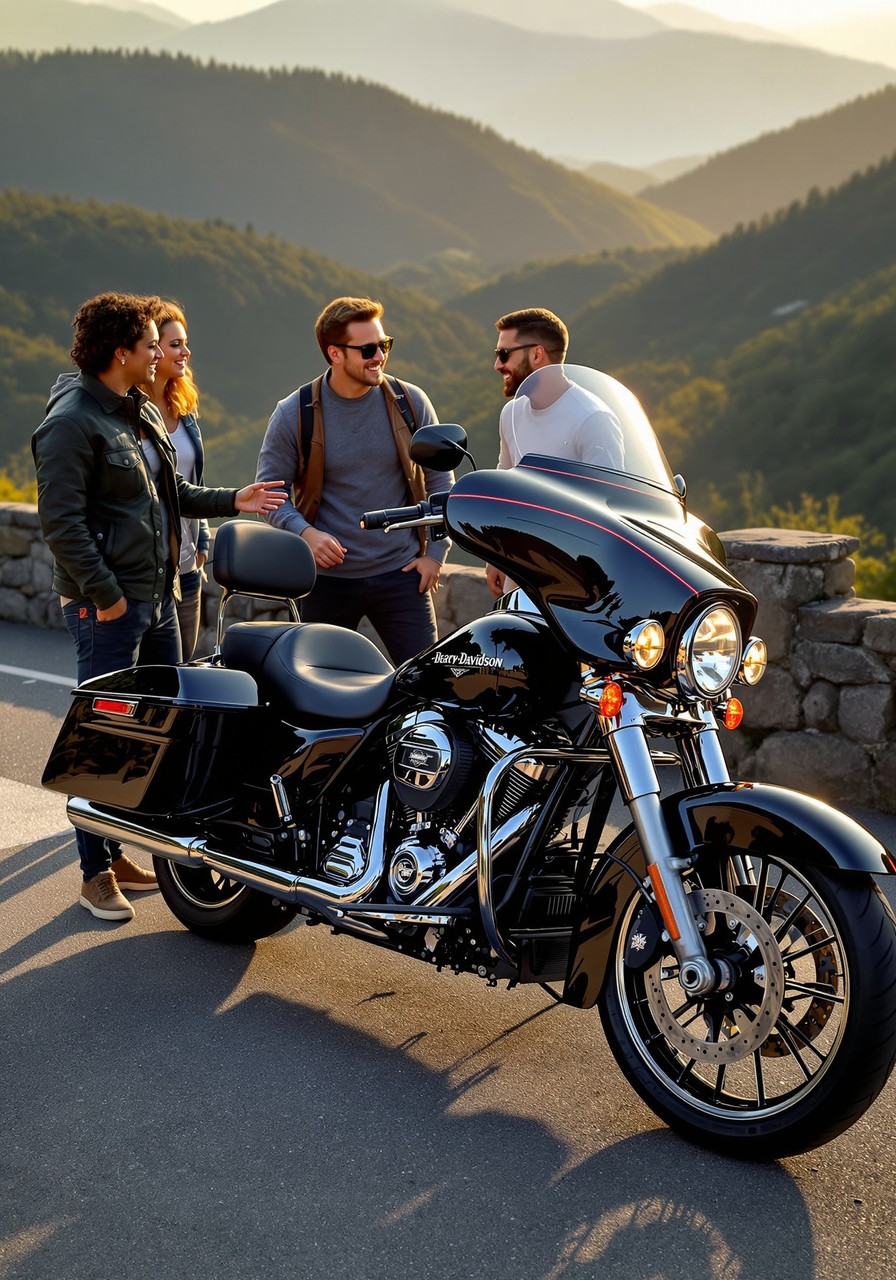
Picture the bike you have been eyeing all year. Now picture $20,000 to make it yours. That is the BikersWin giveaway. Entry link in the comments. #RideNationNY #MotorcycleGiveaway #WinABike
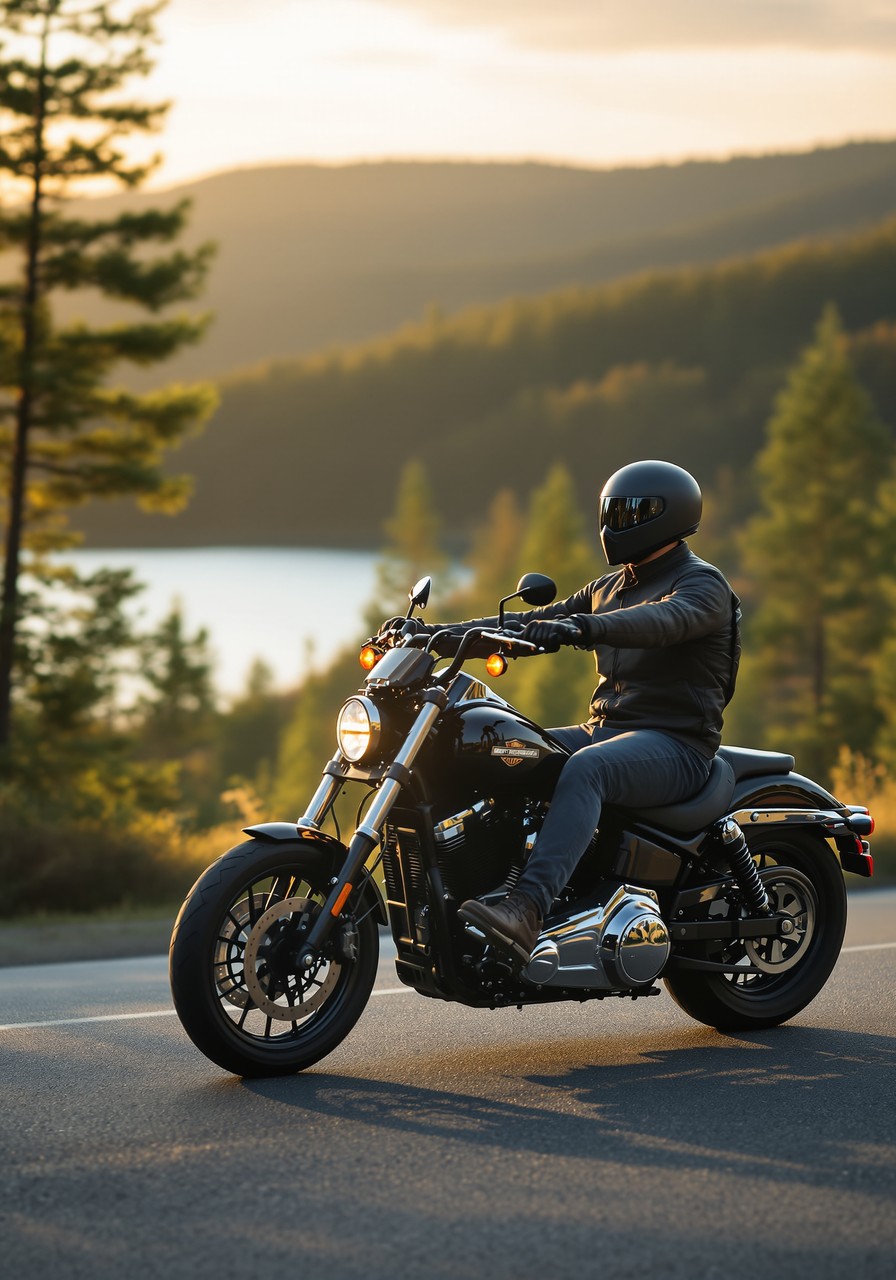
Local NY & Rides
City Island is the shortest getaway in the Bronx. Cross the little bridge, cruise the strip, and it feels like a different coast. #RideNationNY #NYCMotorcycles #NYRiders
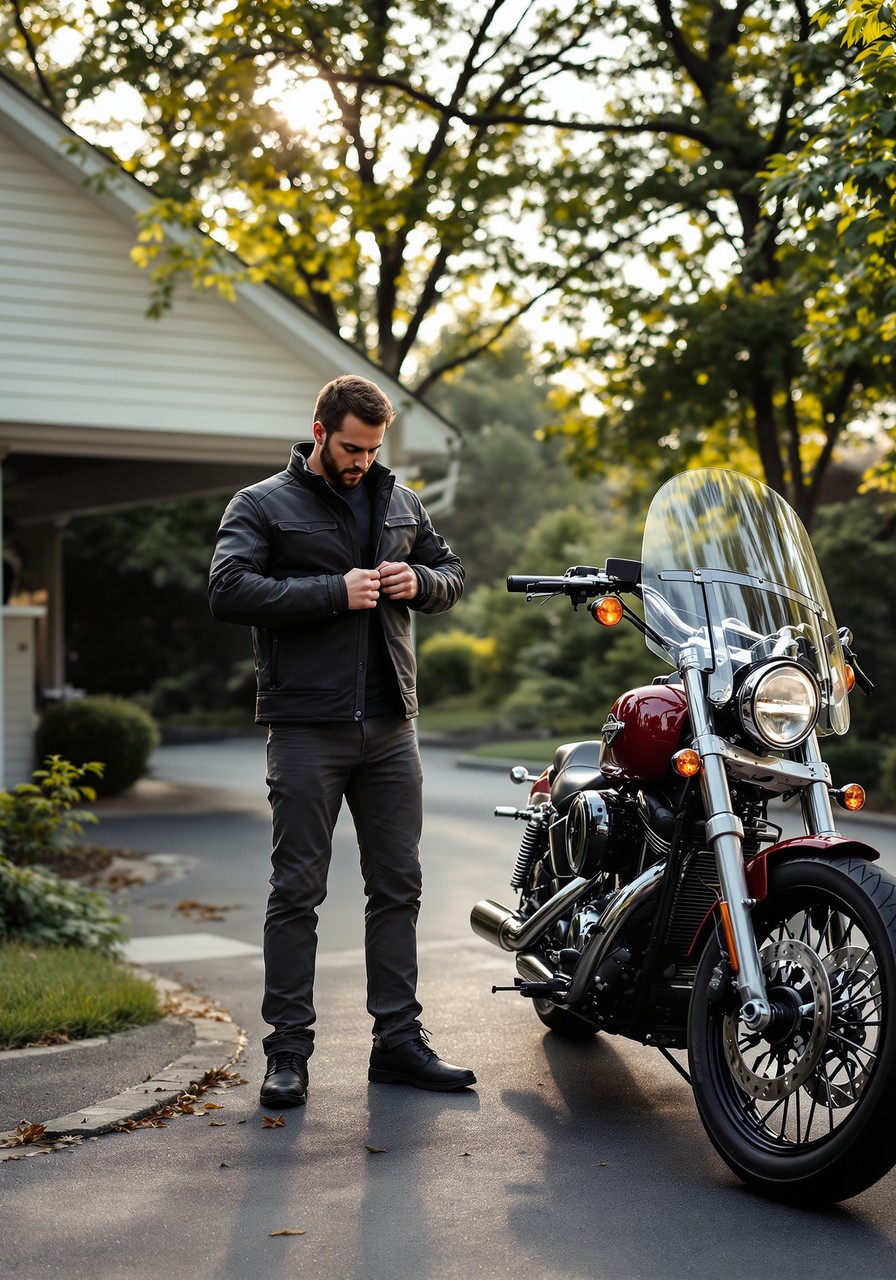
Gear & New Iron
Layer smart for a real New York winter. Wicking base layer, insulating mid layer, windproof shell. Cotton under your jacket just holds sweat and chills you out. #RideNationNY #ColdWeatherRiding #RiderTips
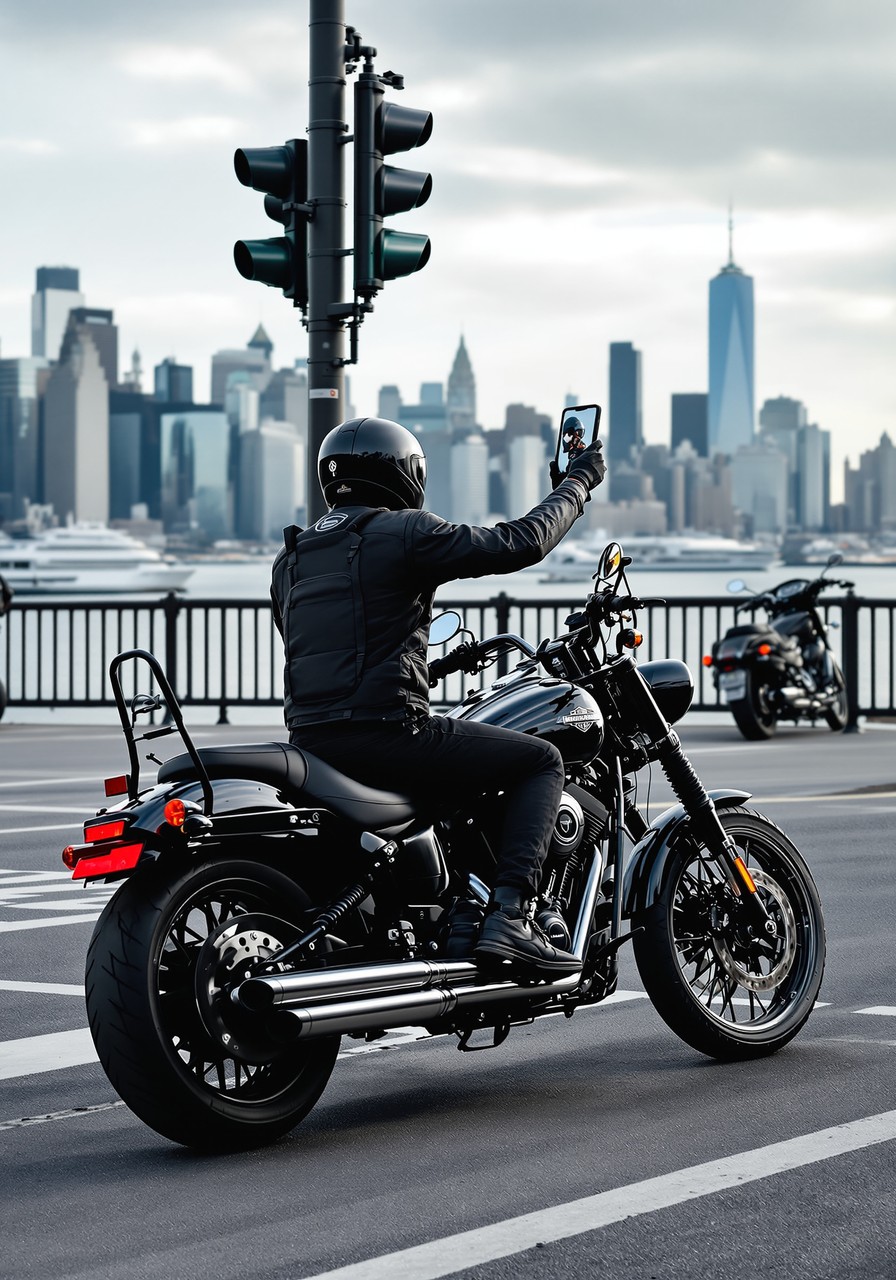
Safety & NY Law
New York law is simple here: every rider and passenger must wear a DOT-approved helmet. It is the law and it saves lives. Questions after a crash? Mary Ellen O'Connor, O'Connor Law, 914-595-4502. #RideNationNY #MotorcycleSafety #ATGATT
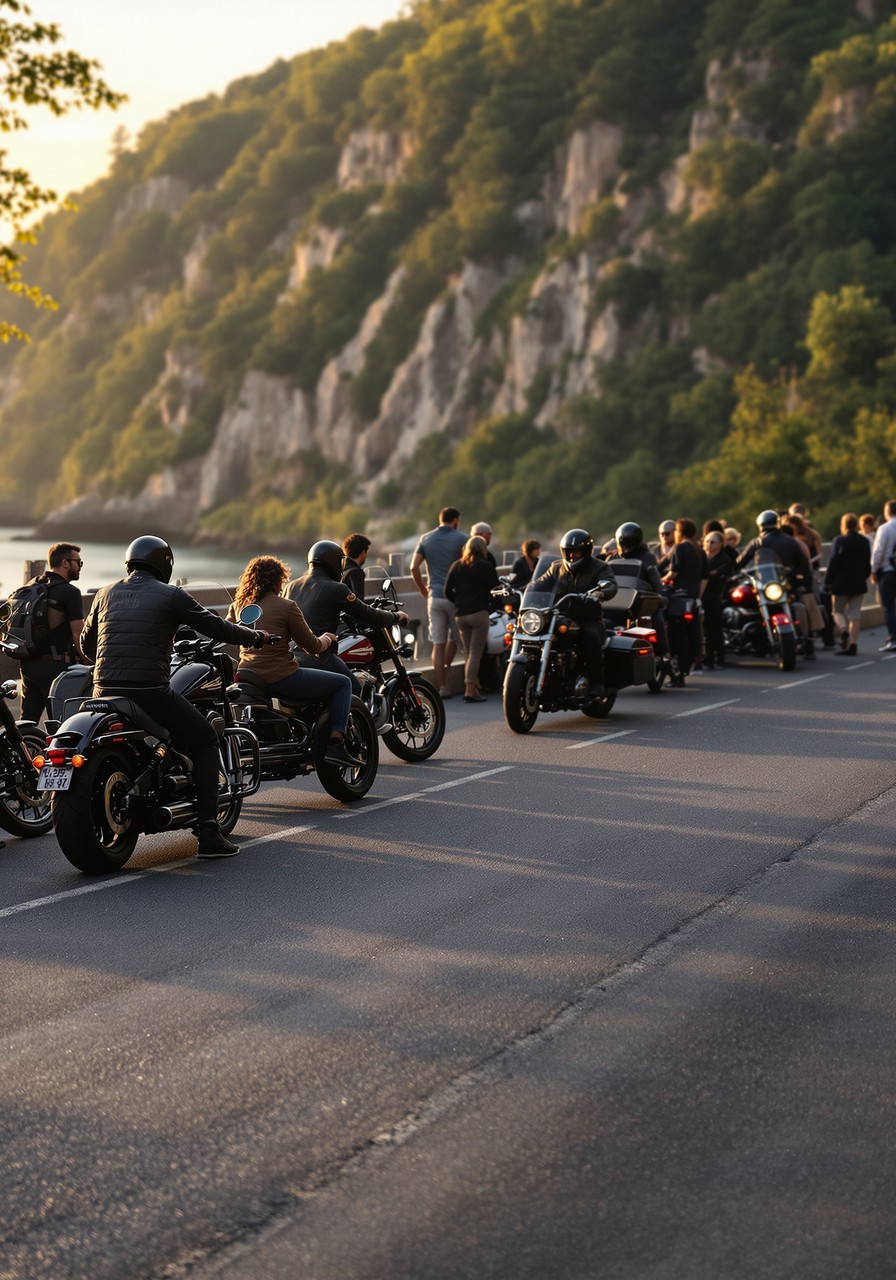
Engagement
Favorite bridge to cross on two wheels. One only. #RideNationNY #NYCMotorcycles #NYRiders
Giveaway & Countdown
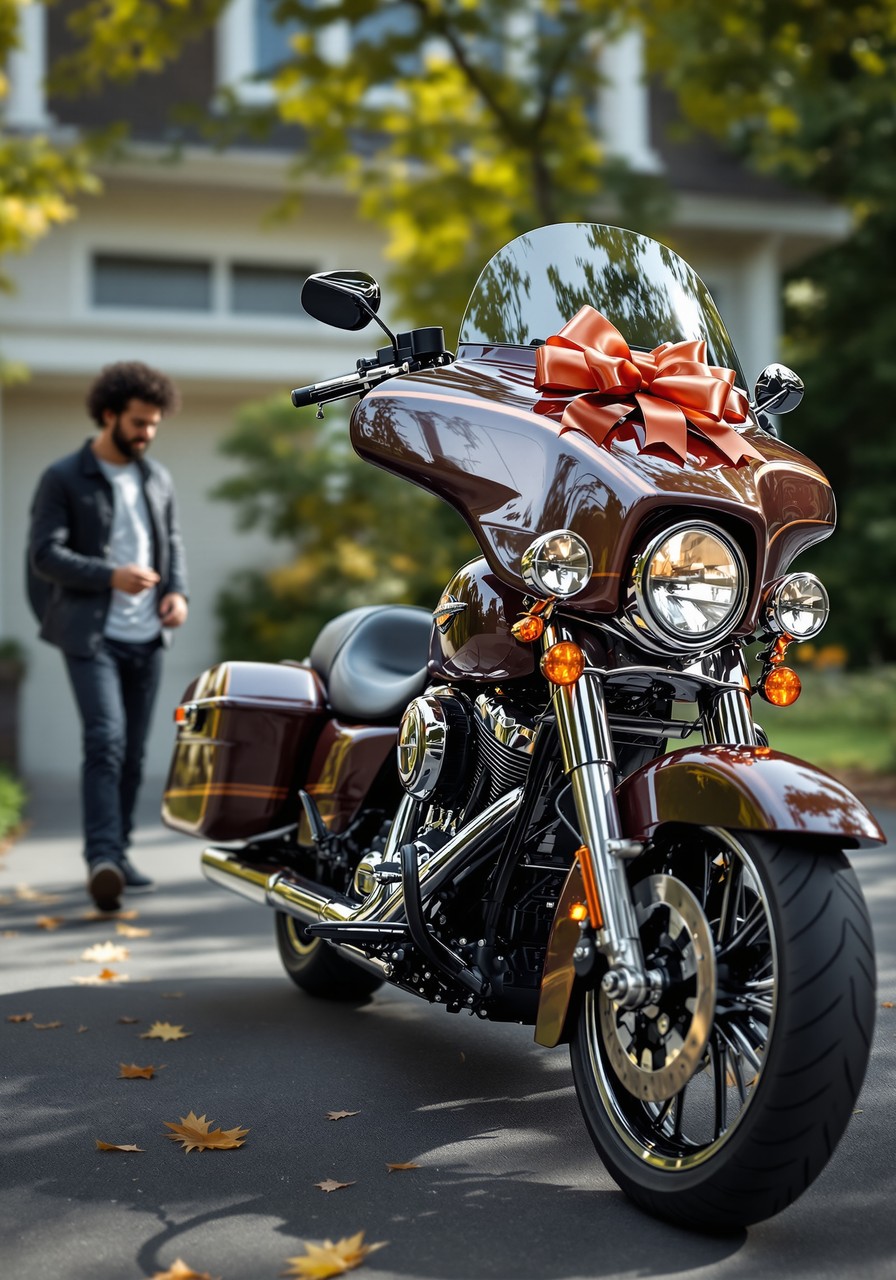
Tag two friends from the crew. If one of them wins the $20,000 BikersWin giveaway you are getting a ride out of it. Link in comments. #RideNationNY #20kGiveaway #NYCMotorcycles
Local NY & Rides
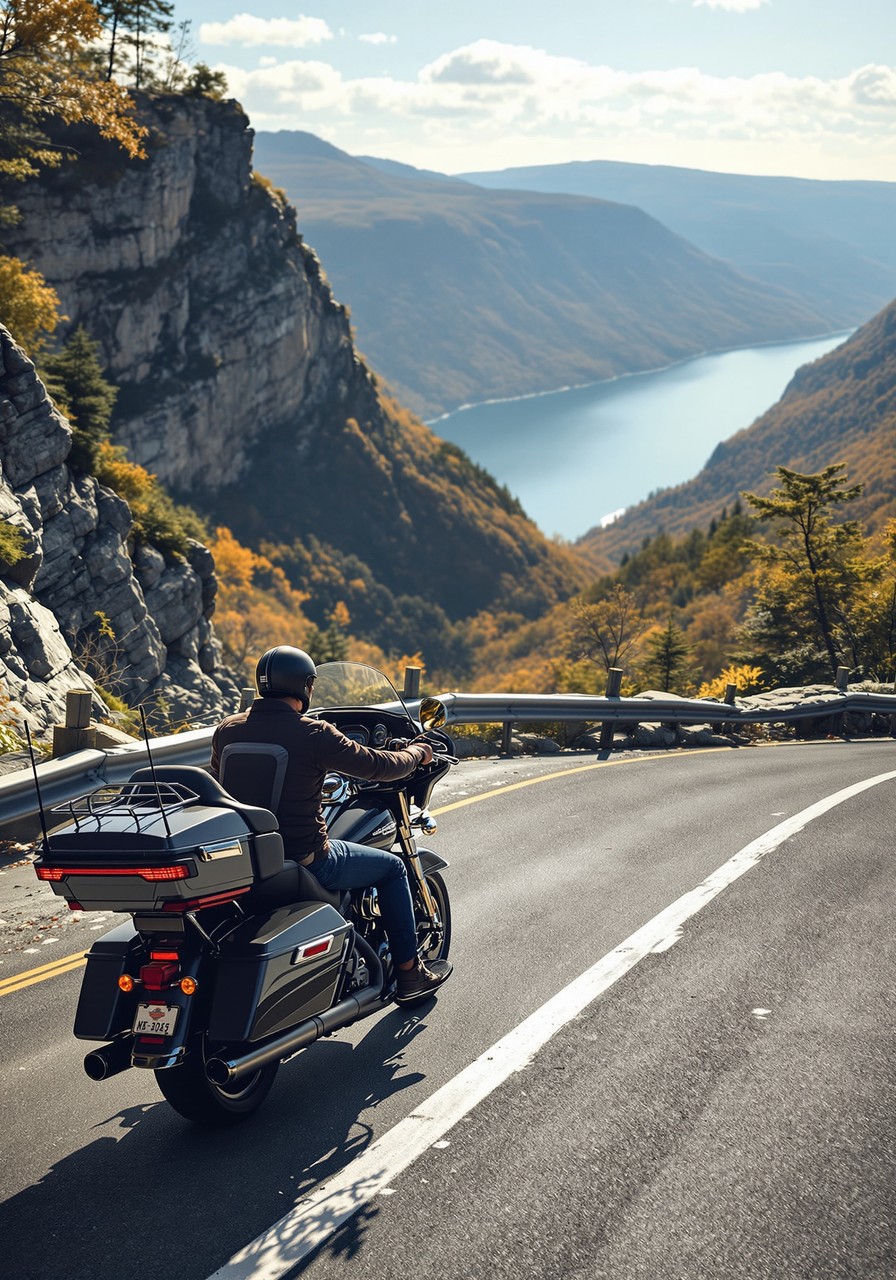
Garage season is here. If she is going to sit until March, top off the tank, get her on a tender, and keep the tires off the cold floor. #RideNationNY #NYRiders
Gear & New Iron
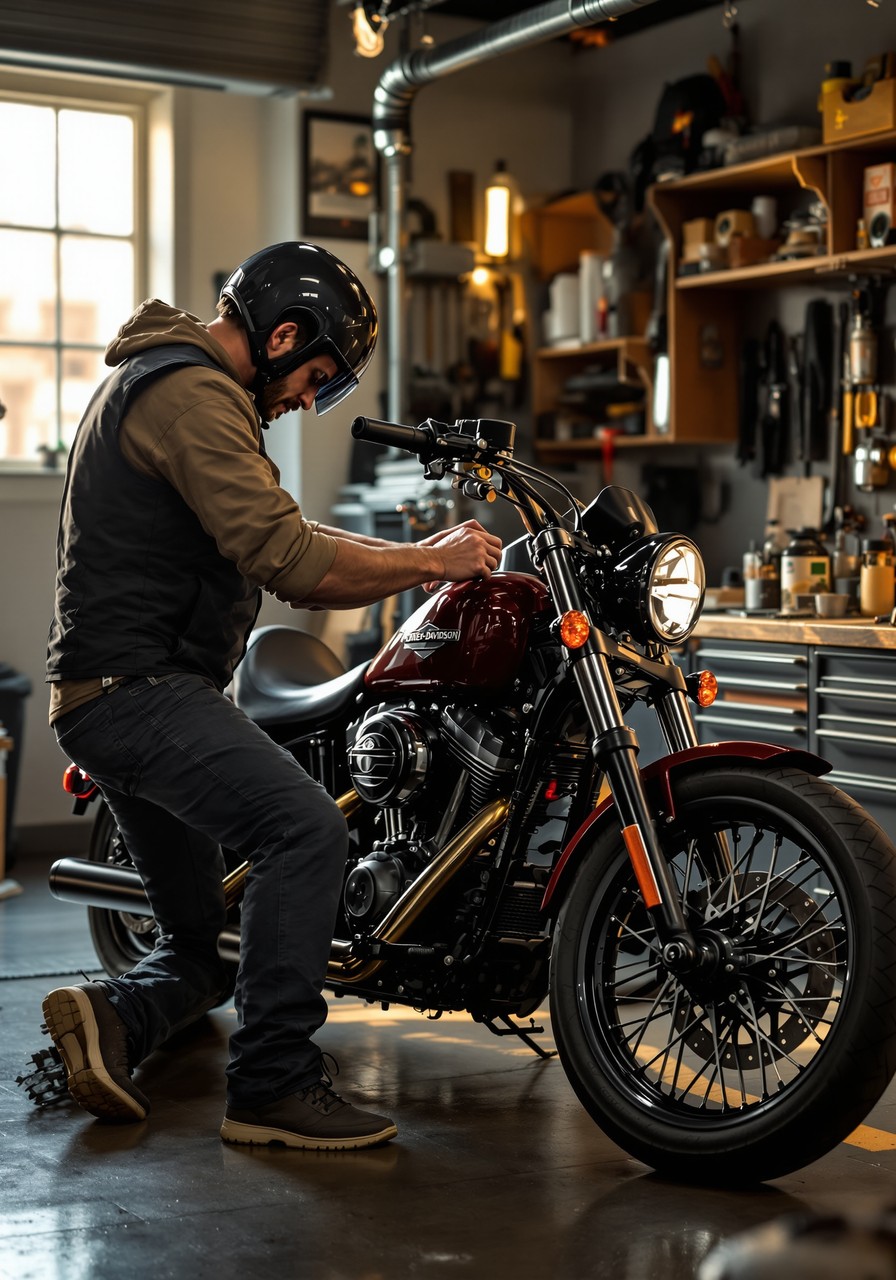
A good base layer beats one bulky sweatshirt. Thin merino or synthetic traps heat without turning you into a marshmallow on the bike. #RideNationNY #ColdWeatherRiding #GearUp
Safety & NY Law
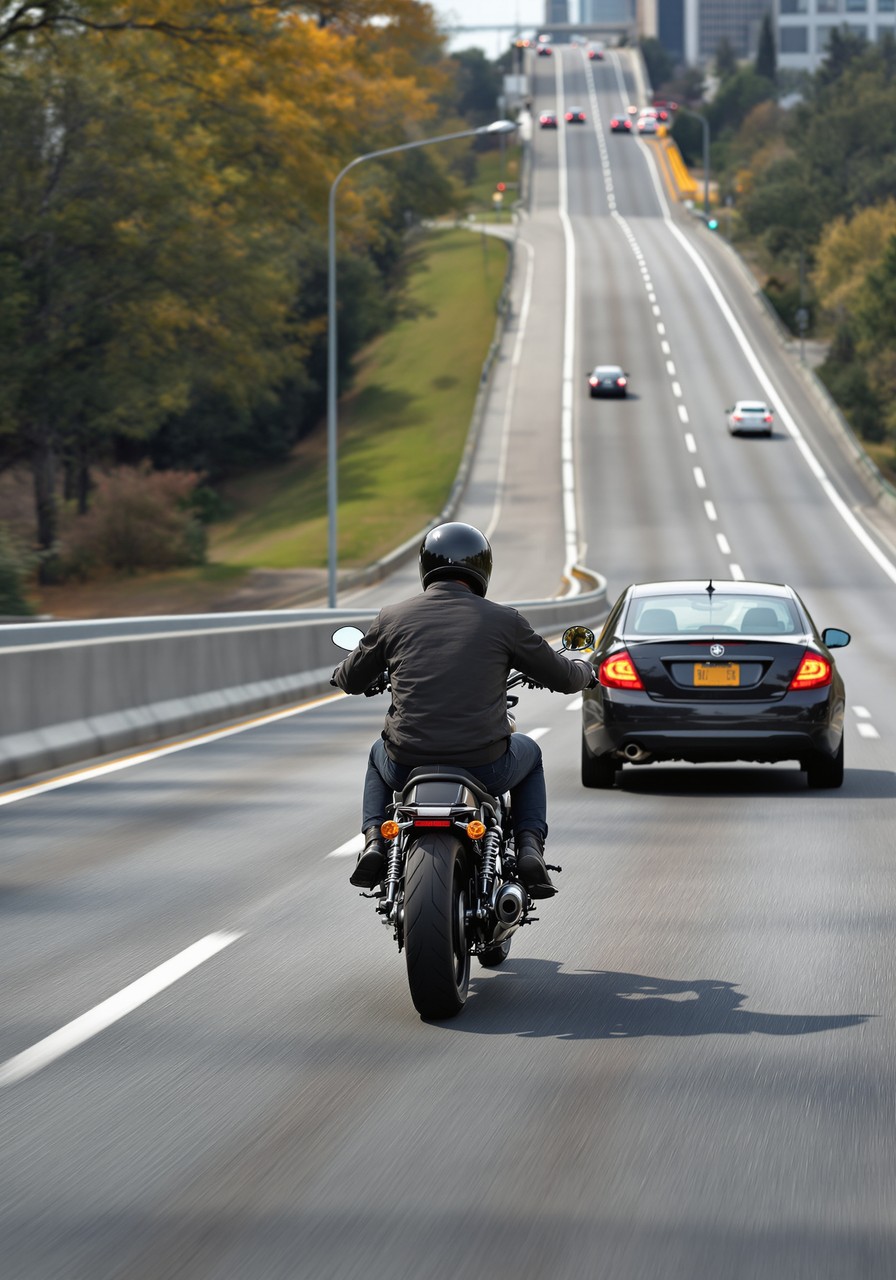
Carrying a passenger in NY? They need a DOT helmet too, every ride, no exceptions. Gear up before you roll out. Hurt in a crash? O'Connor Law, free to talk. 914-595-4502. #RideNationNY #RiderSafety #ATGATT
Engagement
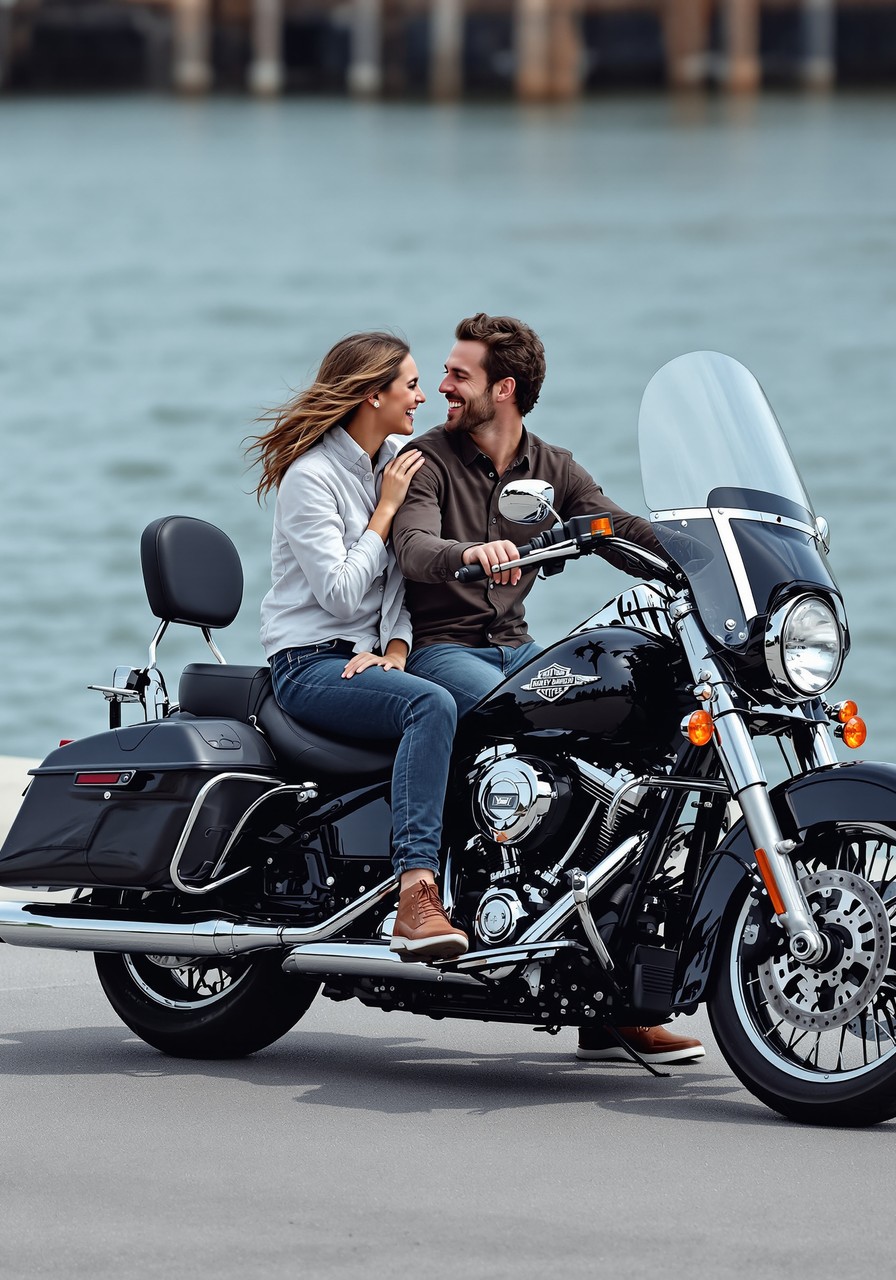
Caption this: five layers, one cold morning, zero regrets. #RideNationNY #TwoWheels #BikerLife
Giveaway & Countdown
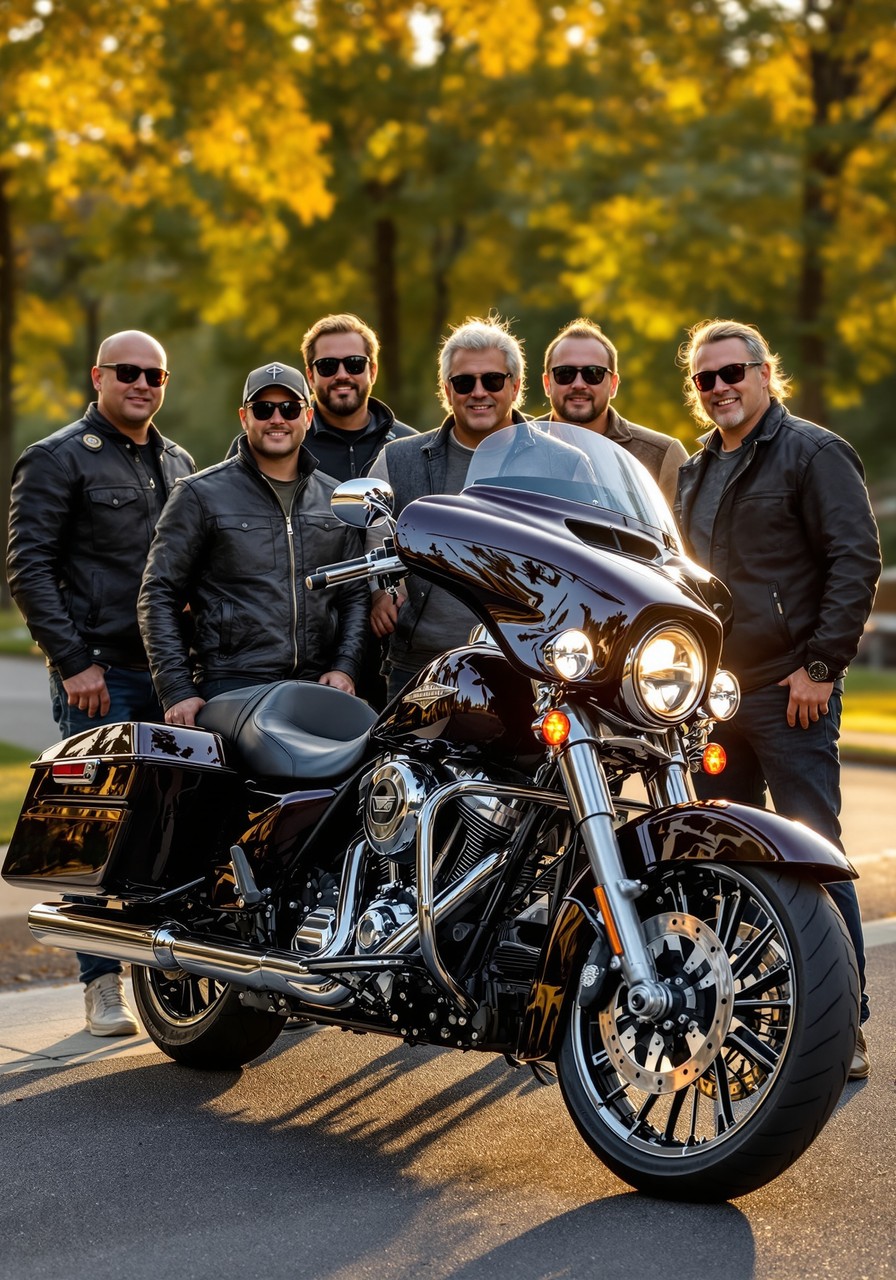
Free. Riders 18 and up. Drawn December 10. There is no catch, just a link in the comments and a shot at $20,000. #RideNationNY #FreeToEnter #BikersWin
Local NY & Rides
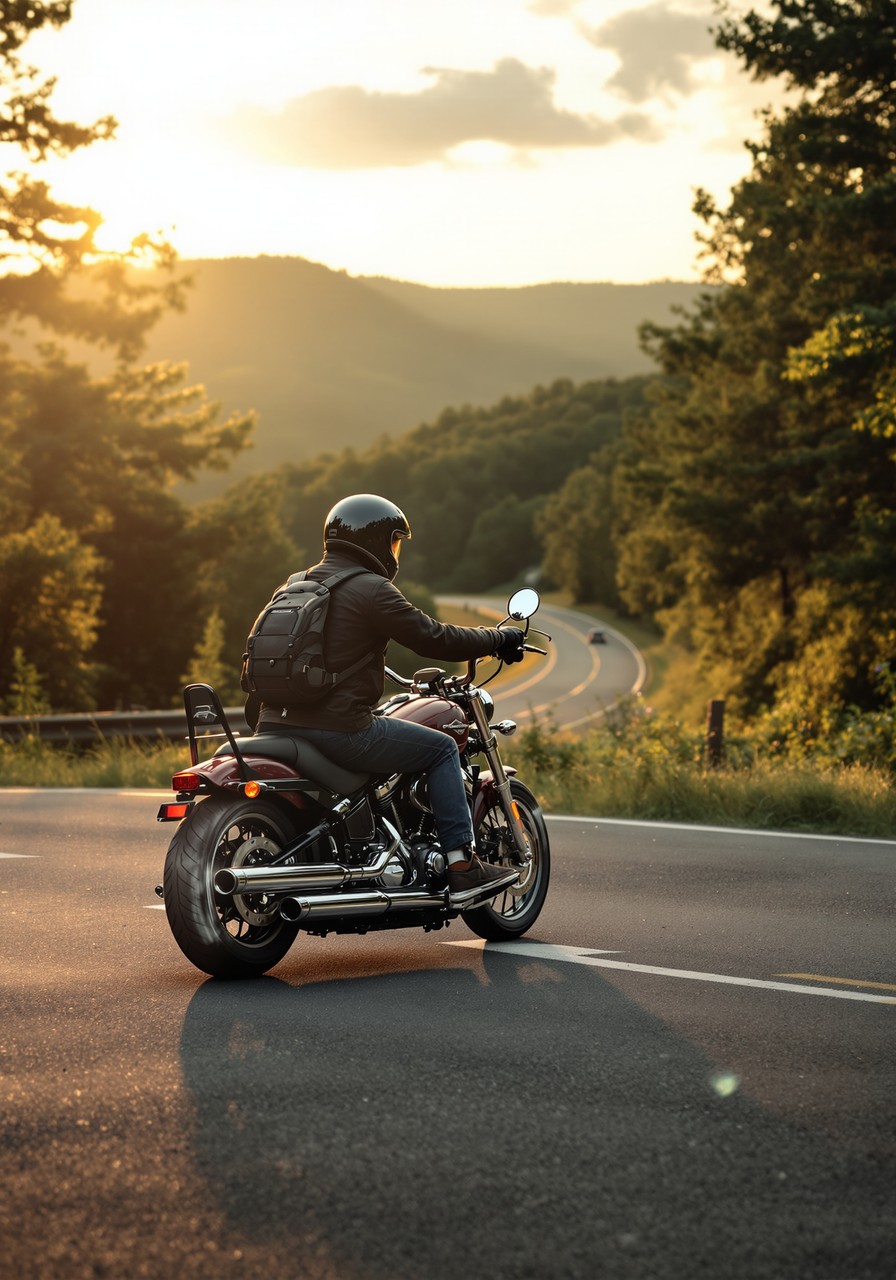
One dry cold day in January is a gift, not a dare. Ride it slow, watch every shaded overpass, and be home before the sun drops. #RideNationNY #NYRiders
Gear & New Iron
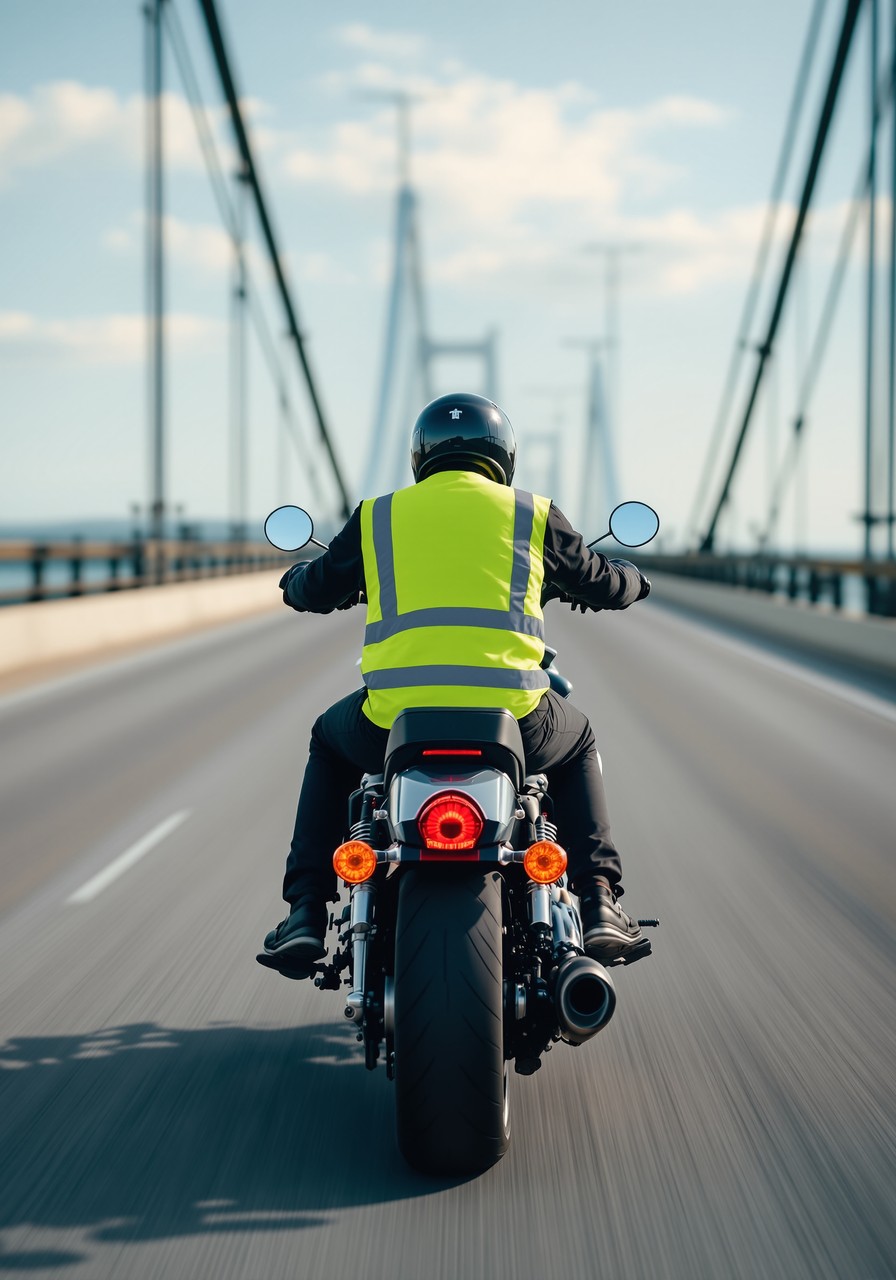
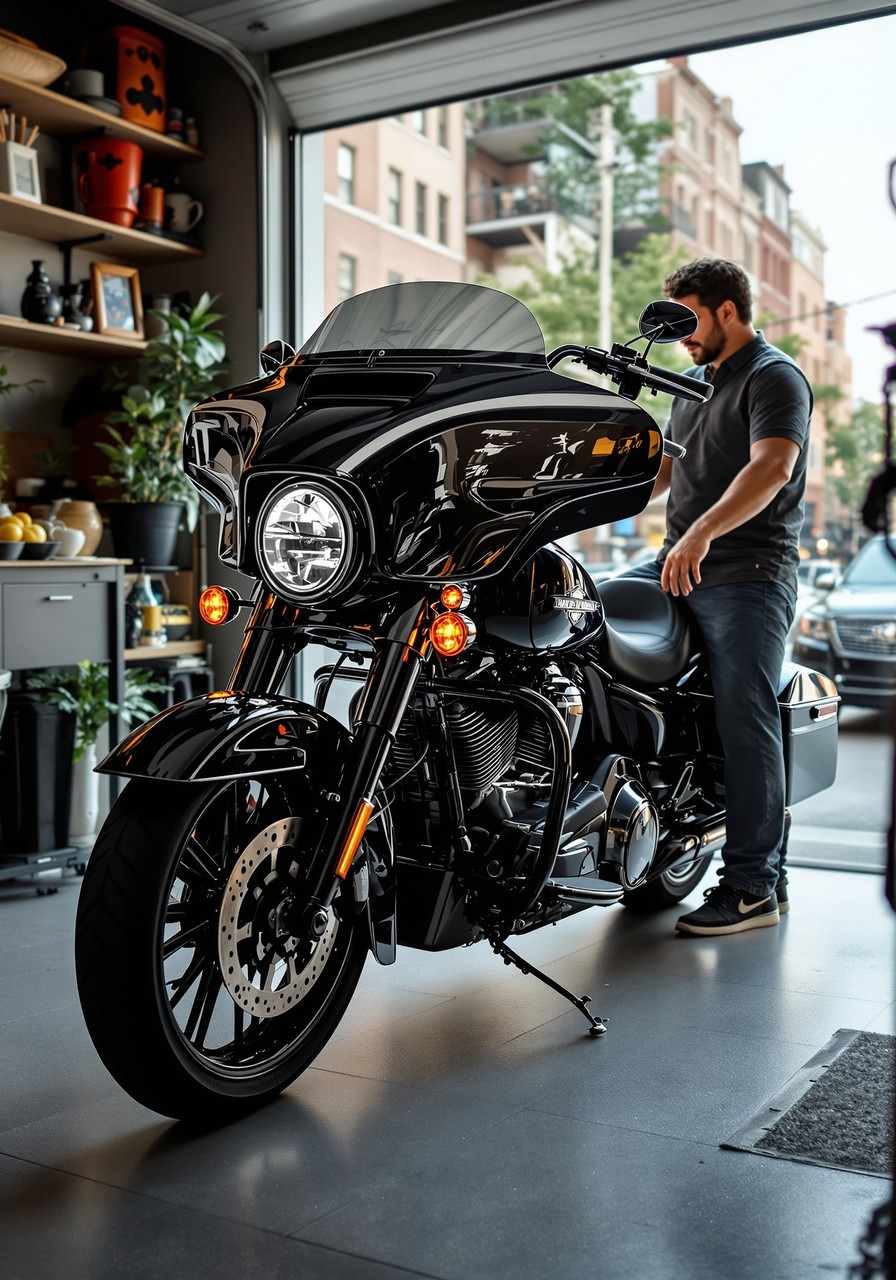
City traffic is camera-dense and driver-distracted. A hi-viz layer or reflective vest buys you the split second a cager needs to actually see you. #RideNationNY #GearUp #NYRiders
Safety & NY Law
New York gives you three years to file an injury claim, but do not let that fool you. Evidence fades fast, so the sooner you get advice the better. Mary Ellen O'Connor and O'Connor Law, 914-595-4502. #RideNationNY #KnowYourRights #NYRiders
Engagement
Poll: first spring ride goes up the Palisades or out to Montauk? #RideNationNY #LongIsland #HudsonValley
Giveaway & Countdown
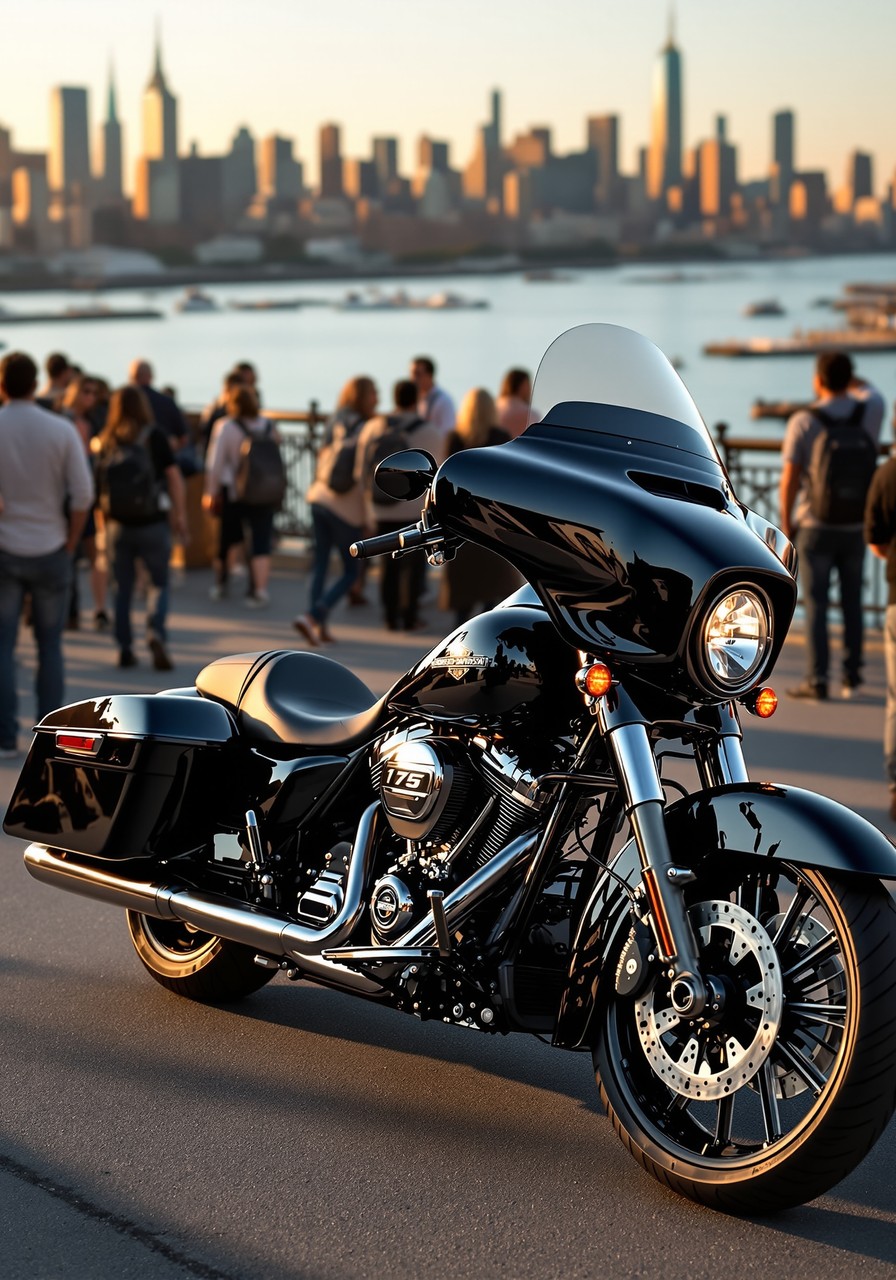
One winner. One bike. $20,000. Somebody in this community could be it. Entry link in the comments. Questions after a wreck? O'Connor Law, 914-595-4502. #RideNationNY #MotorcycleGiveaway #NYRiders
Local NY & Rides
Salt and brine on the metro bridges eat chrome and brakes alike. If you sneak a winter ride, hose her down warm the second you are back. #RideNationNY #NYCMotorcycles
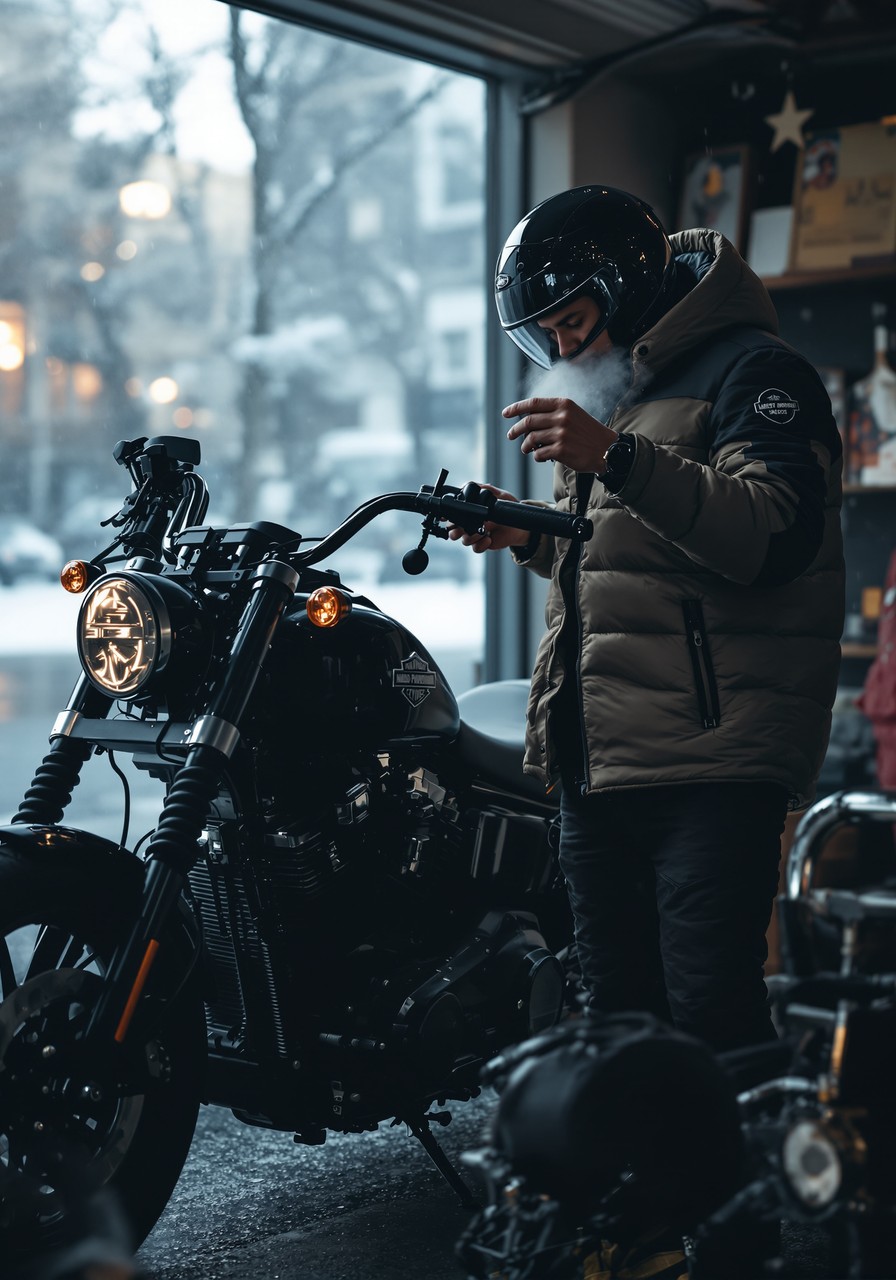
Gear & New Iron
Reflective tape on your helmet and panniers costs a few bucks and lights you up under every set of headlights in the metro. #RideNationNY #RiderTips #NYRiders
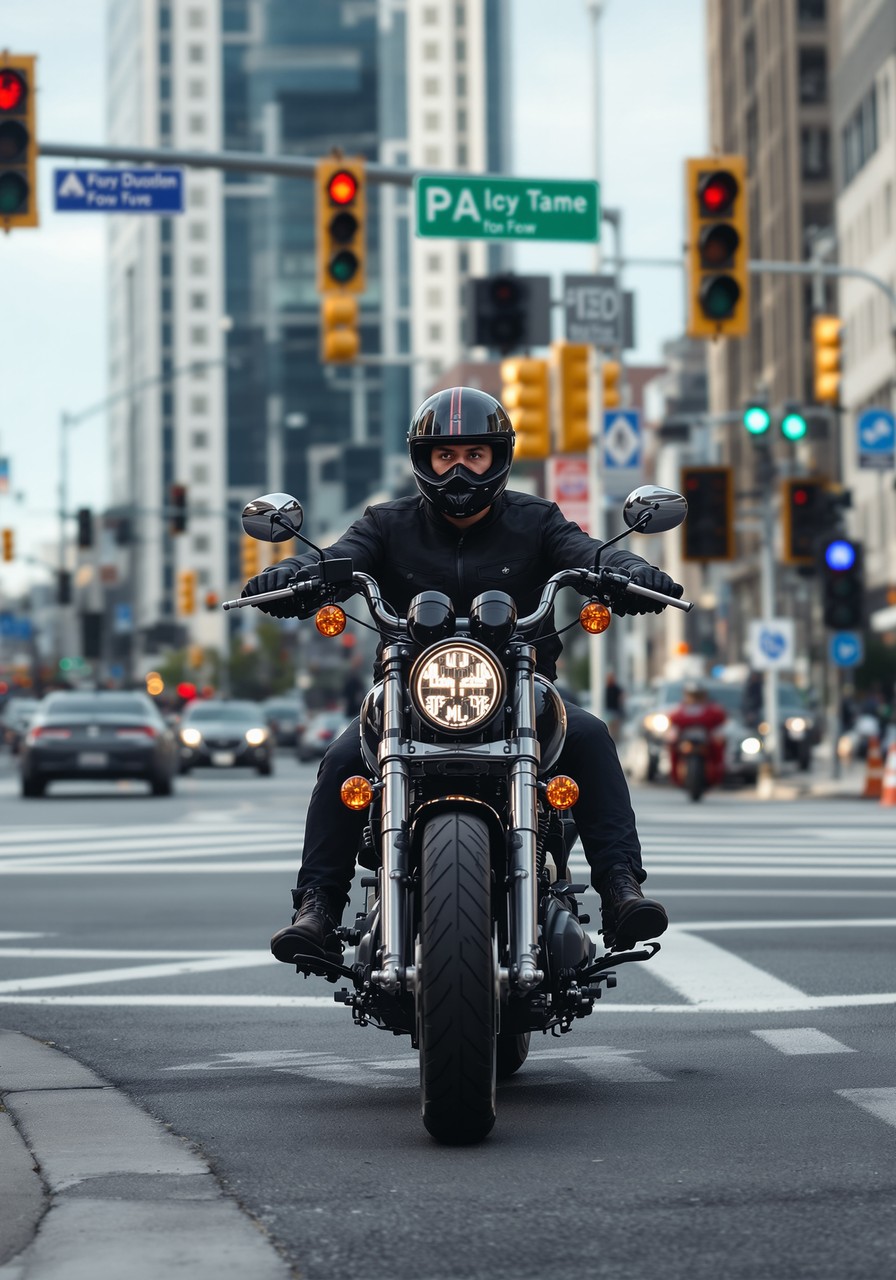
Safety & NY Law
Crash involving the MTA, a bus, or the City? A much shorter Notice of Claim clock, roughly 90 days, can apply. Miss it and your case can be gone. Ask early. O'Connor Law, no cost to talk. 914-595-4502. #RideNationNY #NewYorkLaw #KnowYourRights
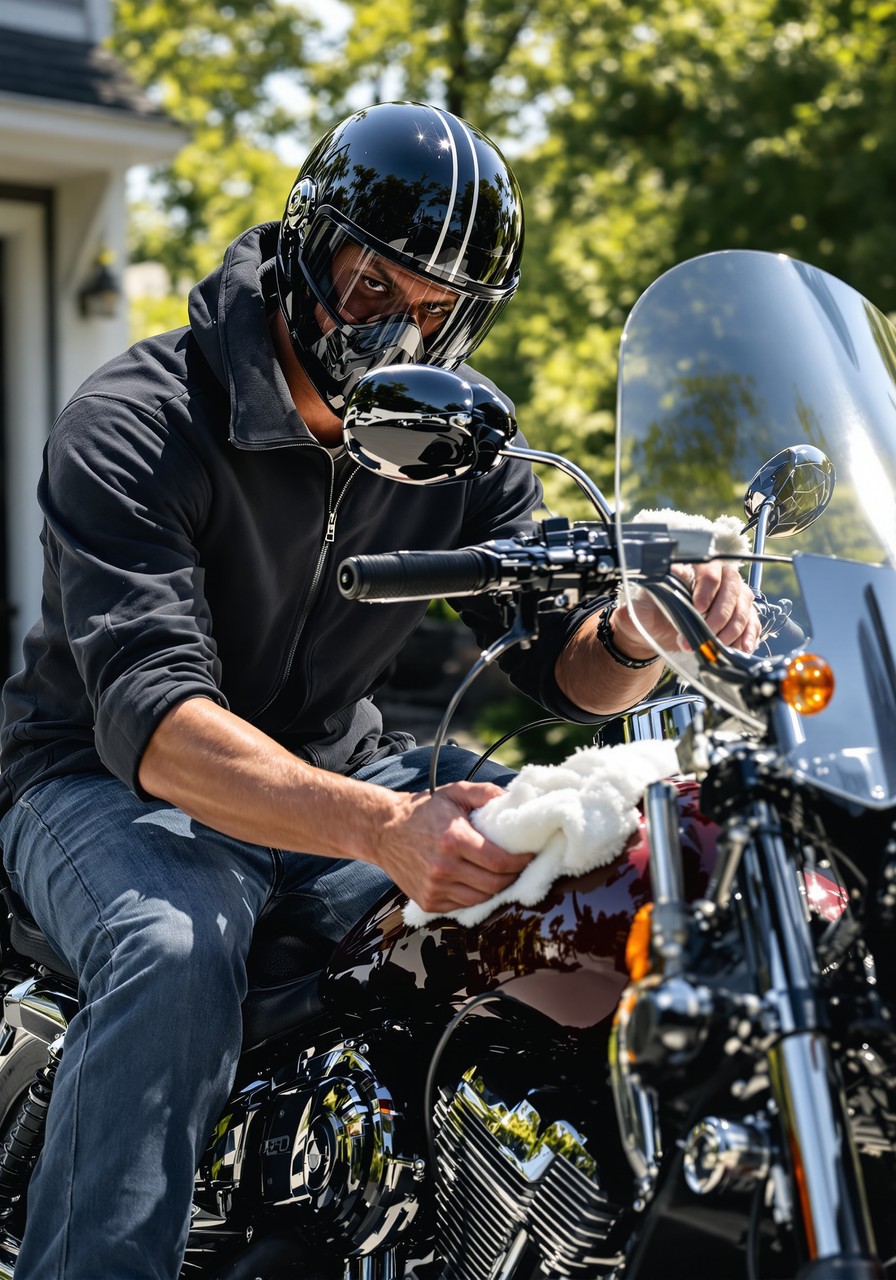
Engagement
Tag your winter wrenching buddy. Garage season needs a co-pilot. #RideNationNY #BikerLife #RideOrDie
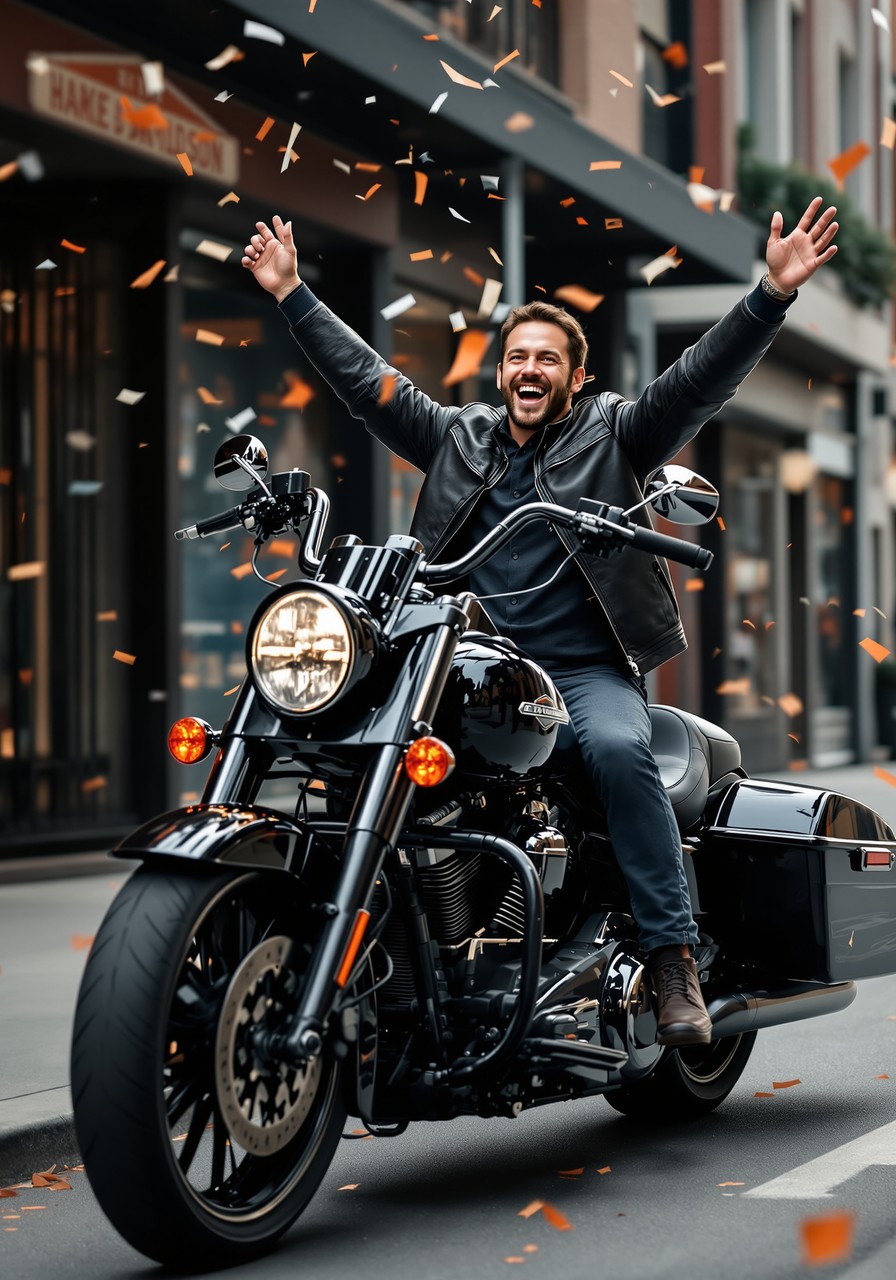
Giveaway & Countdown
The clock is ticking toward December 10. Every day you wait is a day you are not entered in the $20,000 BikersWin giveaway. Link in comments. #RideNationNY #20kGiveaway #NYCMotorcycles
Local NY & Rides
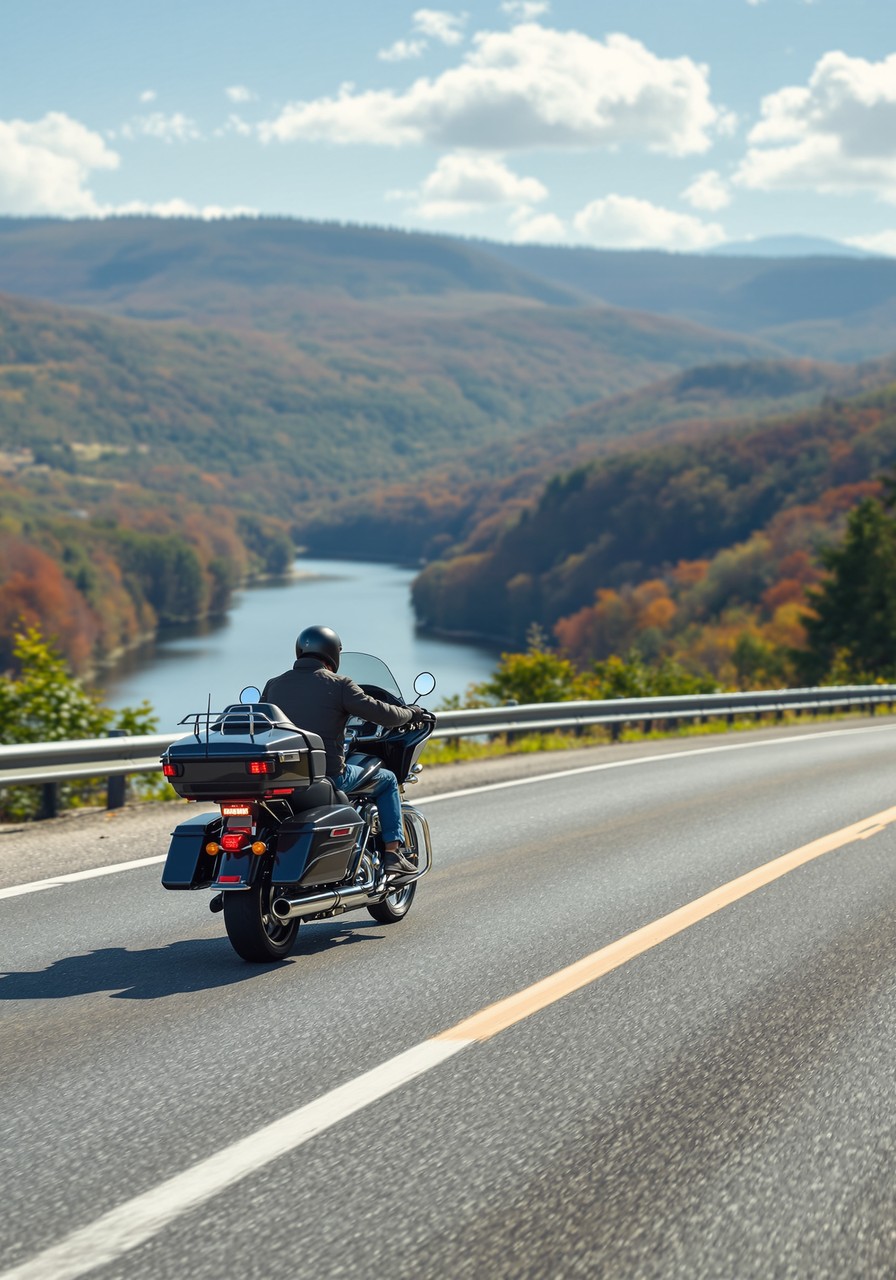
Black ice lives on the overpasses first. The Cross Bronx, the Deegan, the Hutch ramps freeze while the flat roads still look fine. #RideNationNY #NYRiders #NYCMotorcycles
Gear & New Iron
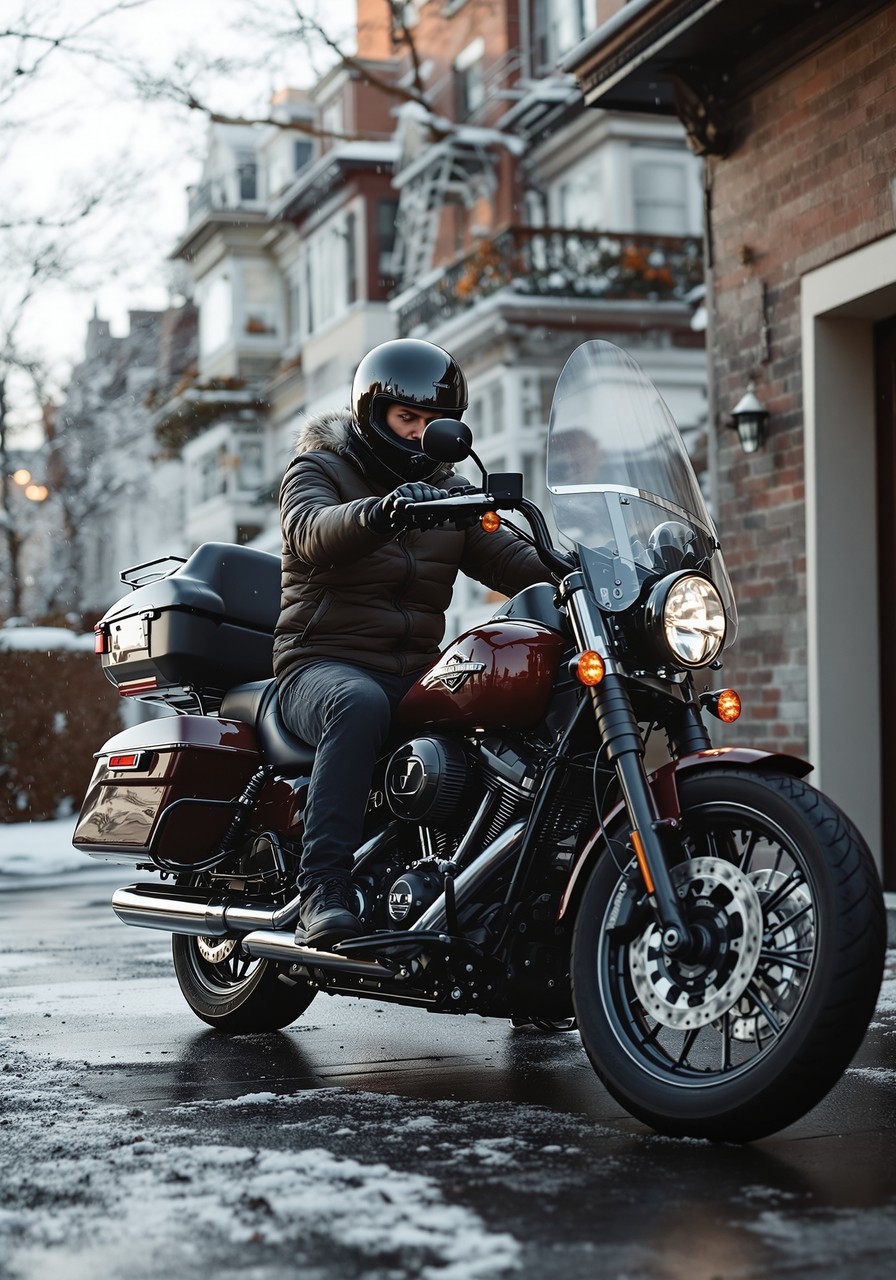
ATGATT is not gatekeeping, it's just math. Every ride, all the gear, because the crash you don't plan for is the one that finds you. #RideNationNY #ATGATT #BikerLife
Safety & NY Law
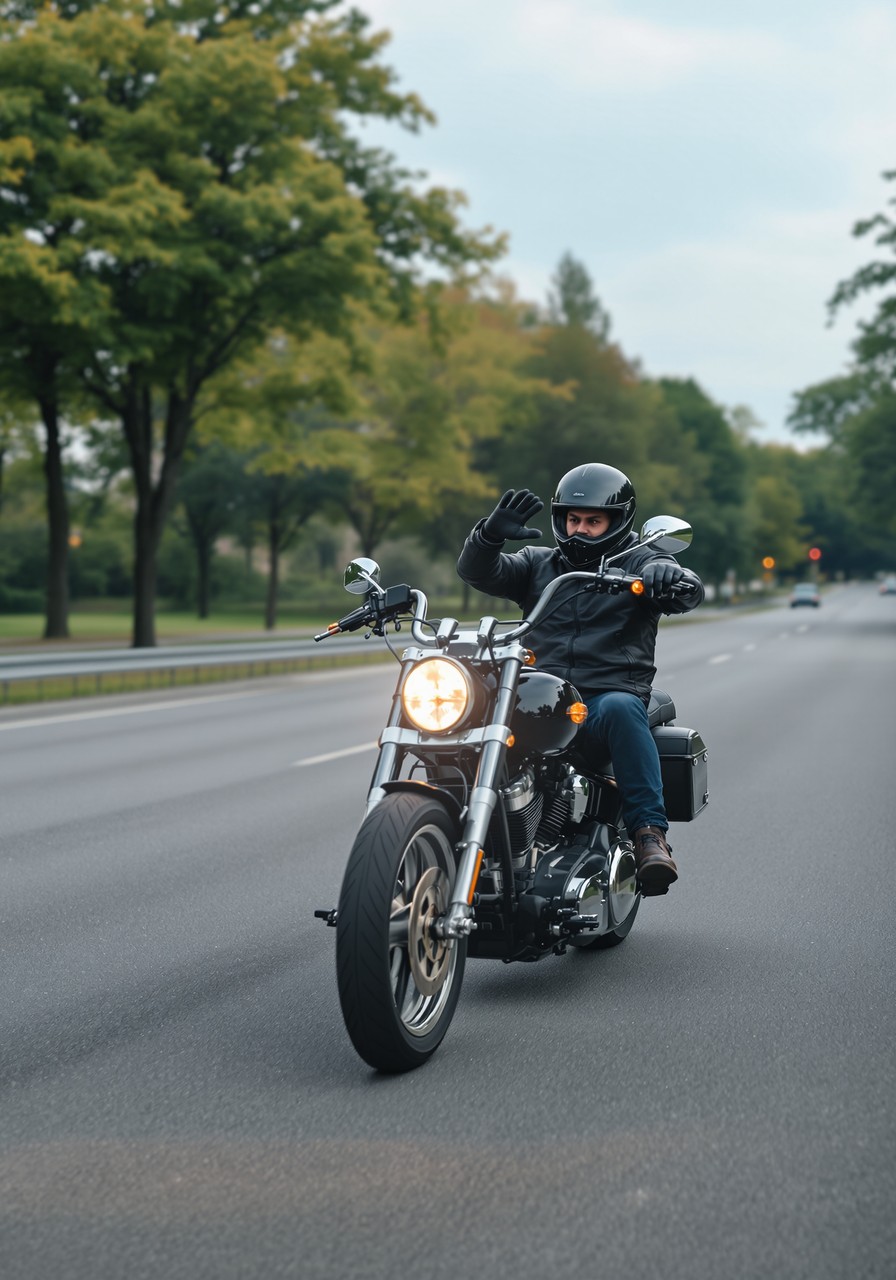
Public entity involved in your NY crash means special rules and a tight deadline, often about 90 days for the Notice of Claim. Do not wait to ask. Mary Ellen O'Connor, O'Connor Law, 914-595-4502. #RideNationNY #NewYorkLaw #NYRiders
Engagement
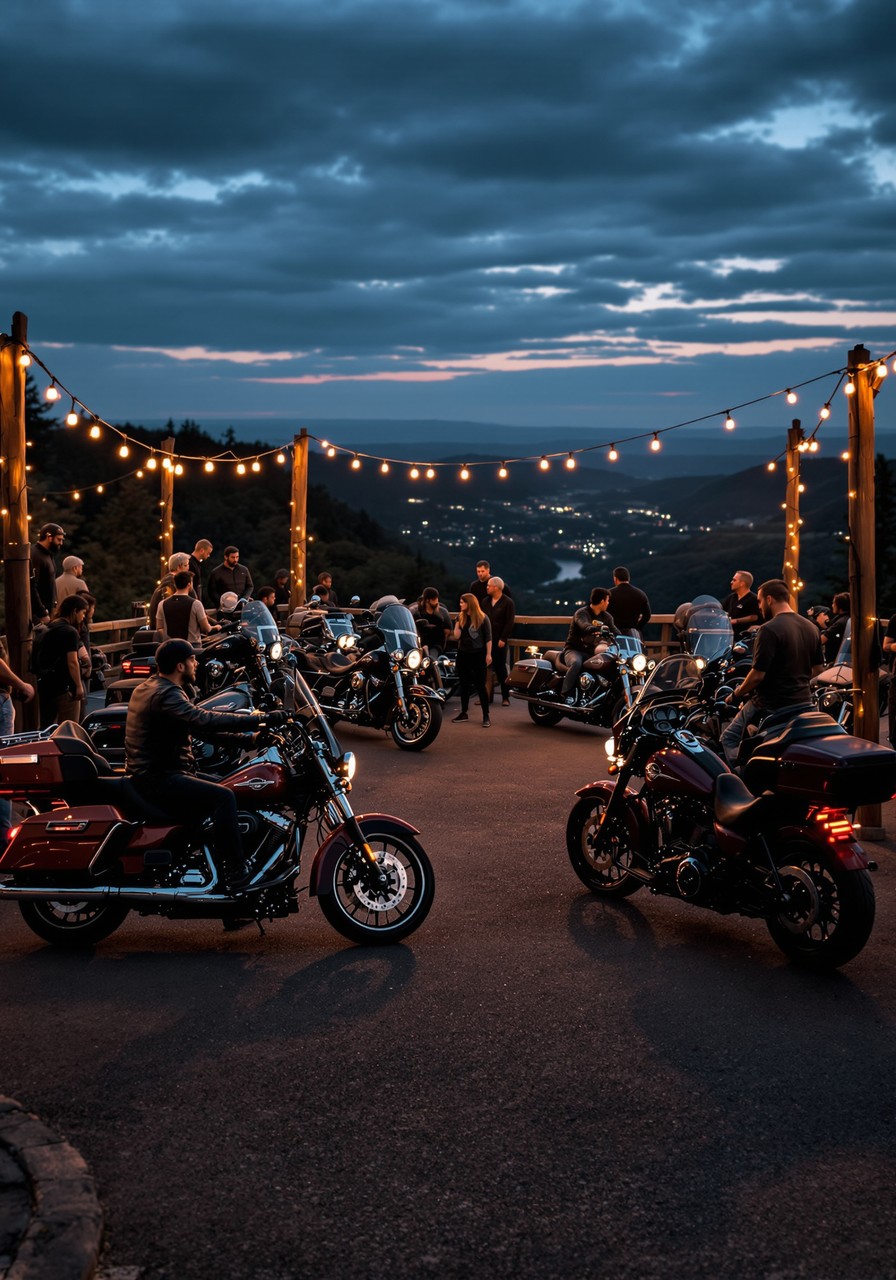
This or that: cruiser rumble or sportbike scream. Pick your sound. #RideNationNY #TwoWheels #NYRiders
Giveaway & Countdown
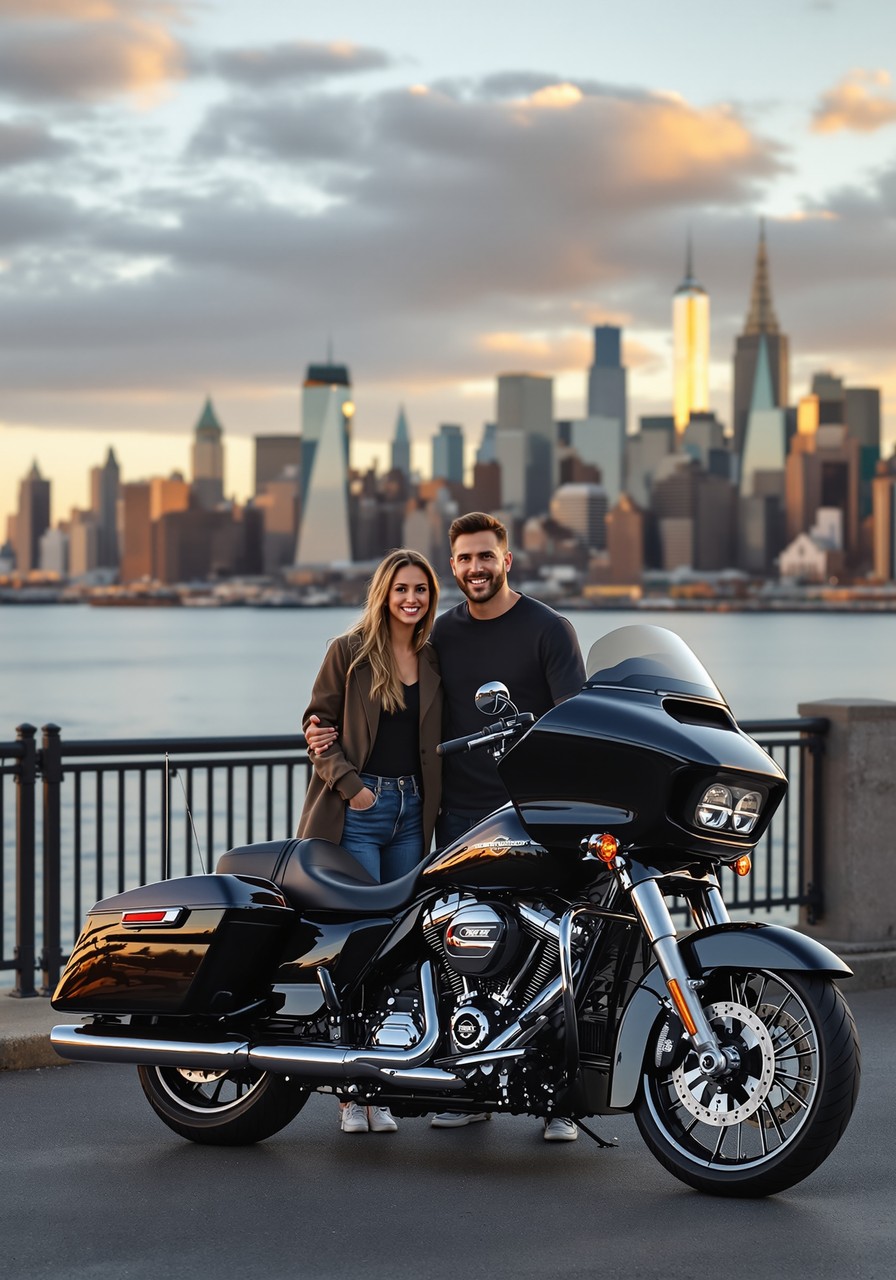
What would $20,000 toward a new motorcycle change for you this year? Tell us below, then hit the entry link in the comments. #RideNationNY #WinABike #BikersWin
Local NY & Rides
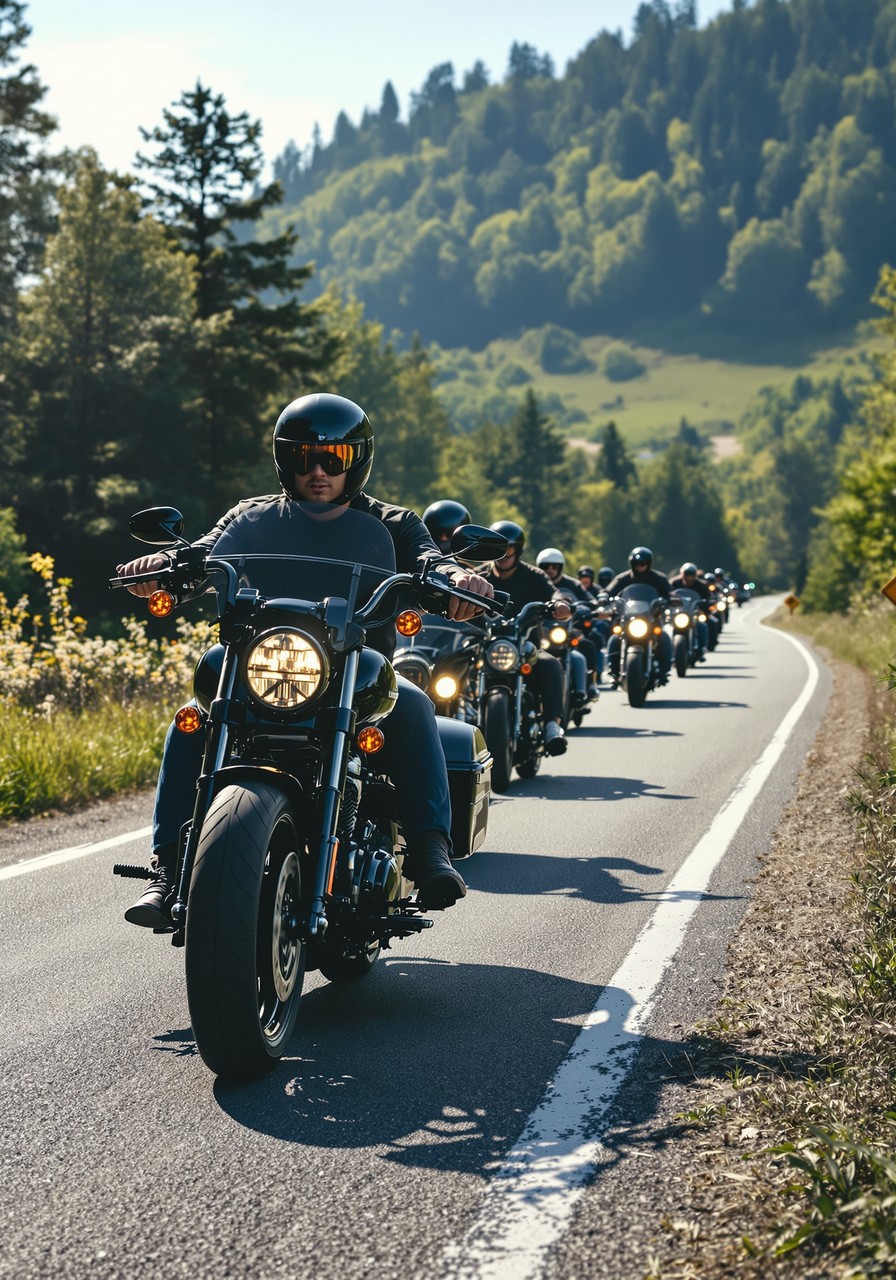
December plan: no plan. Clean the bike, sort the gear, and start mapping the Bear Mountain run you will make the first warm Saturday of spring. #RideNationNY #BearMountain #NYRiders
Gear & New Iron
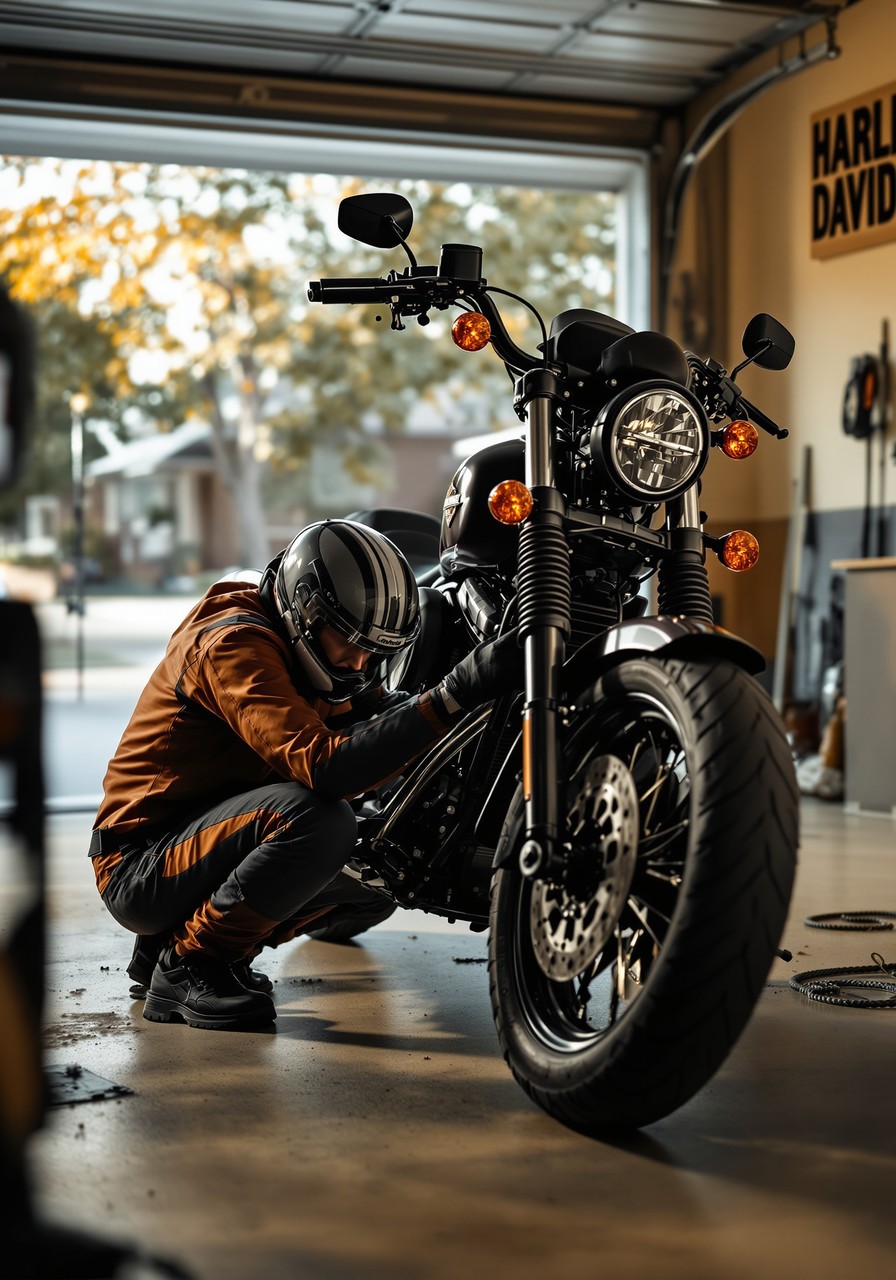
Sneakers give out the second your foot twists under a bike. Over-the-ankle boots with a real sole keep your feet where they belong. #RideNationNY #GearUp #ATGATT
Safety & NY Law
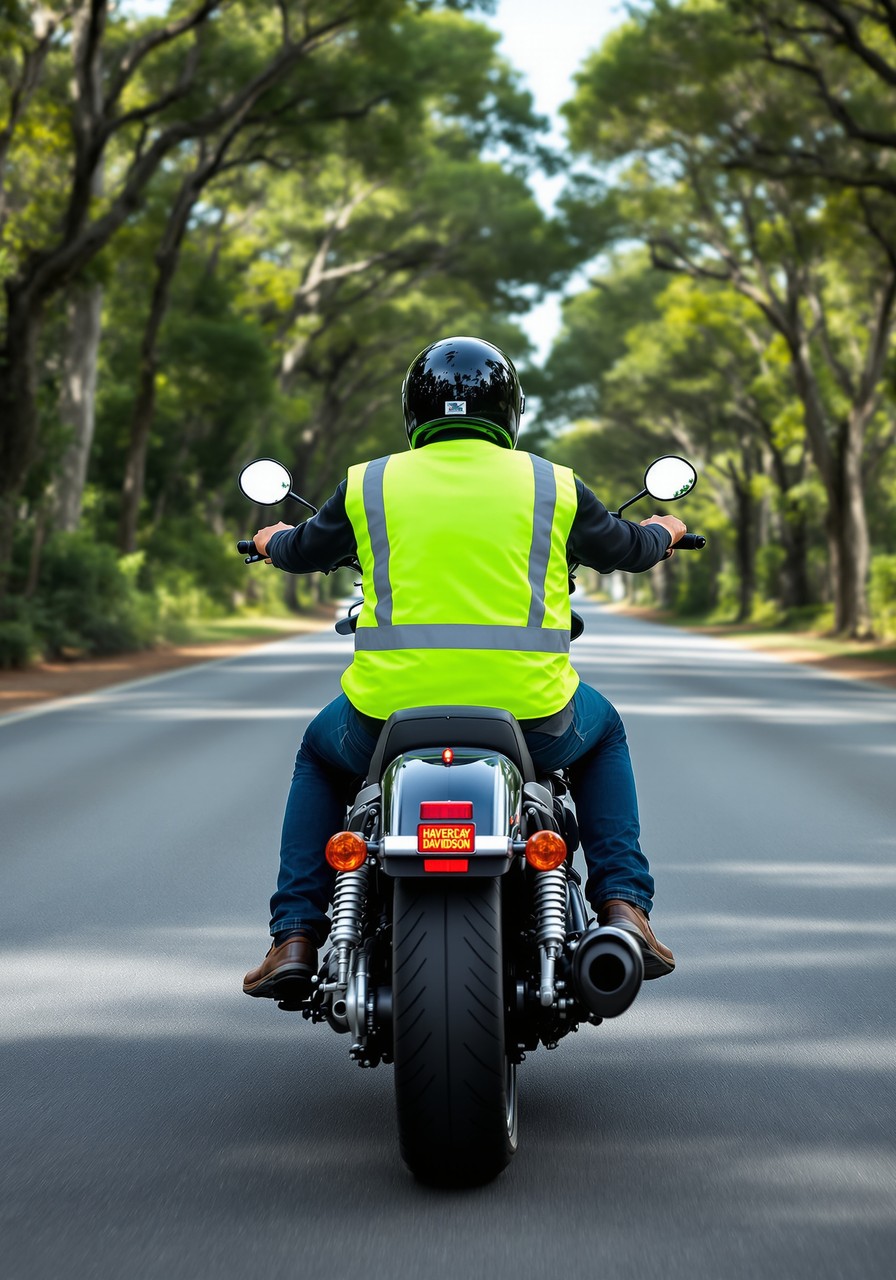
Quick legal check: lane splitting is not legal in New York. Riding between lanes of moving traffic can put fault on you. Questions after a close call or crash? O'Connor Law, free to talk. 914-595-4502. #RideNationNY #NewYorkLaw #RiderSafety
Engagement
What is the one mod you are planning during layup? Spill it. #RideNationNY #BikerLife #NYCMotorcycles
Giveaway & Countdown
Ride Nation NY, this is your friendly reminder that the BikersWin giveaway is free and you are not entered yet. Fix that. Link in comments. #RideNationNY #FreeToEnter #NYRiders
Local NY & Rides
Potholes are the real winter enemy down here. Freeze and thaw chews the FDR and the BQE into a minefield by February. Pick your line early. #RideNationNY #NYCMotorcycles
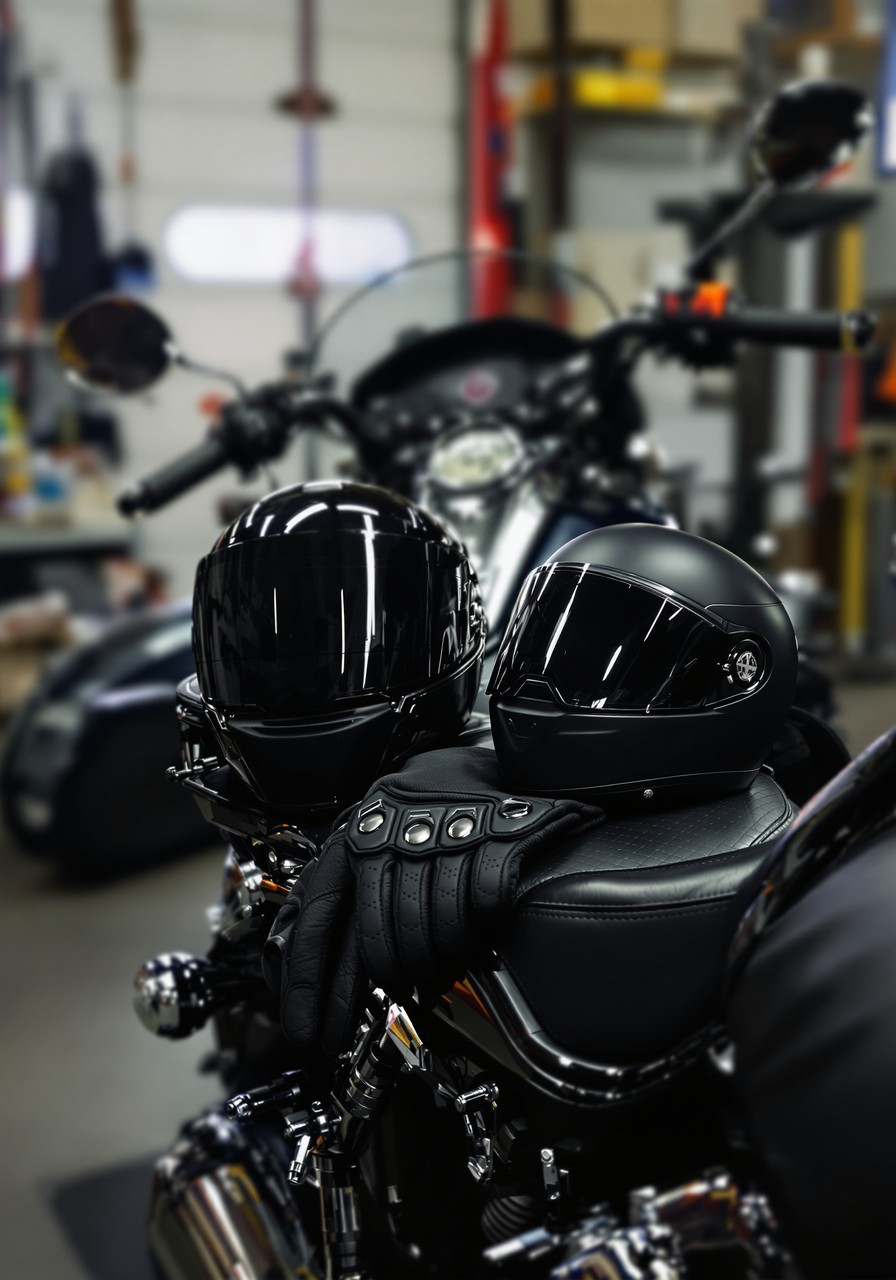
Gear & New Iron
Waterproof boots earn their keep in a NY fall. Wet feet at 40 degrees end a ride fast, and there's no warming them back up on the road. #RideNationNY #ColdWeatherRiding #GearUp
Safety & NY Law
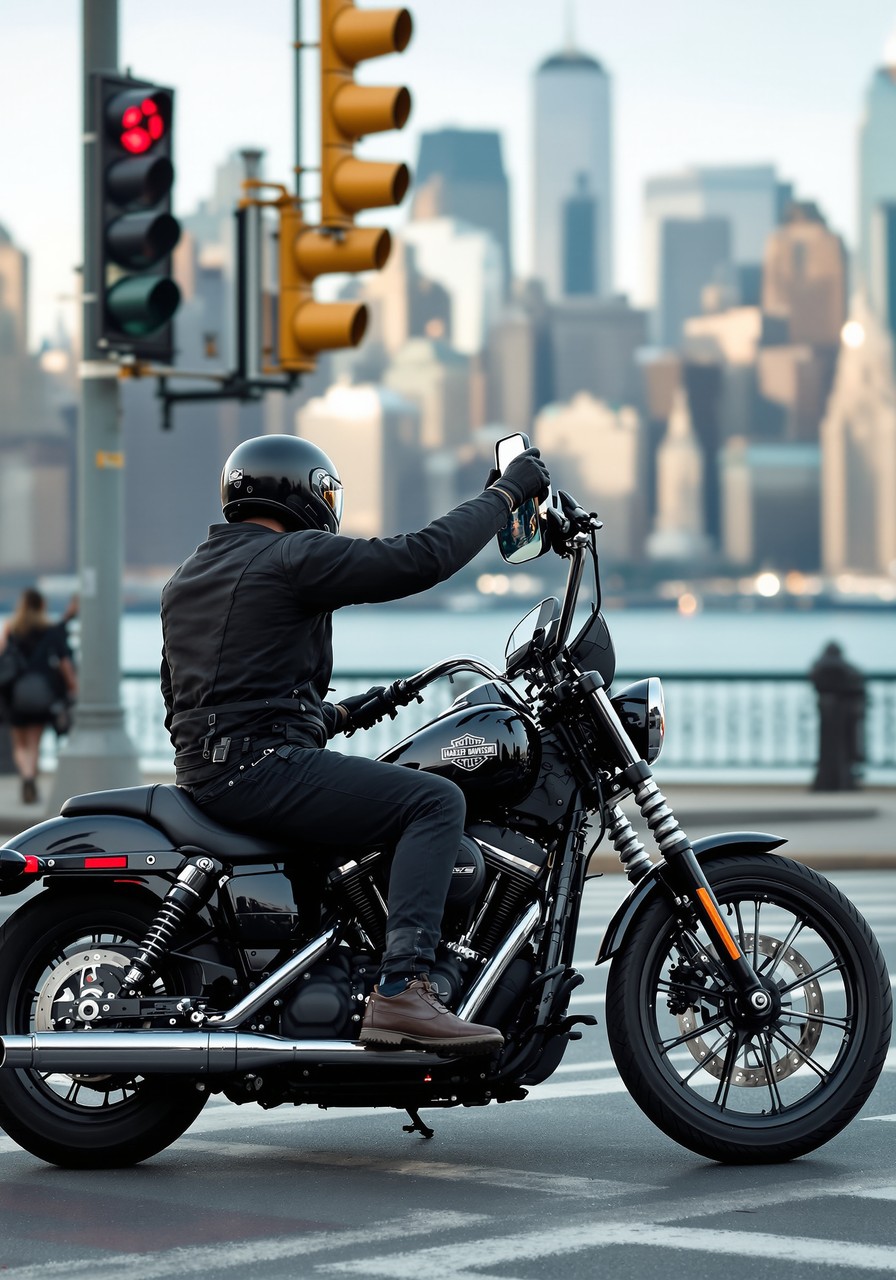
Filtering forward at a red light feels efficient, but it is not legal in New York either. Hold your lane and stay clean. Hurt in a crash? Mary Ellen O'Connor and O'Connor Law, 914-595-4502. #RideNationNY #MotorcycleSafety #KnowYourRights
Engagement
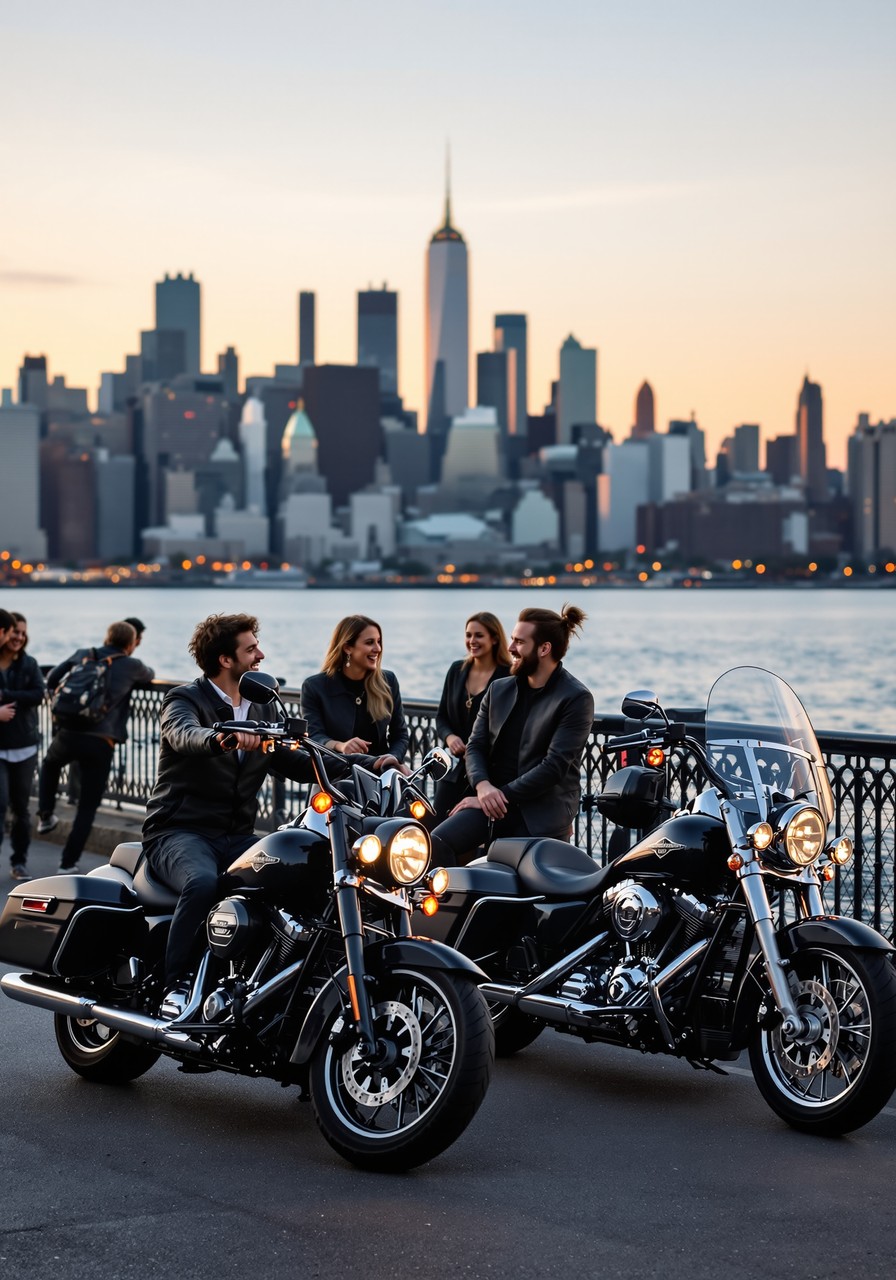
Fill in the blank: The Palisades hit different when _____. #RideNationNY #HudsonValley #TwoWheels
Giveaway & Countdown
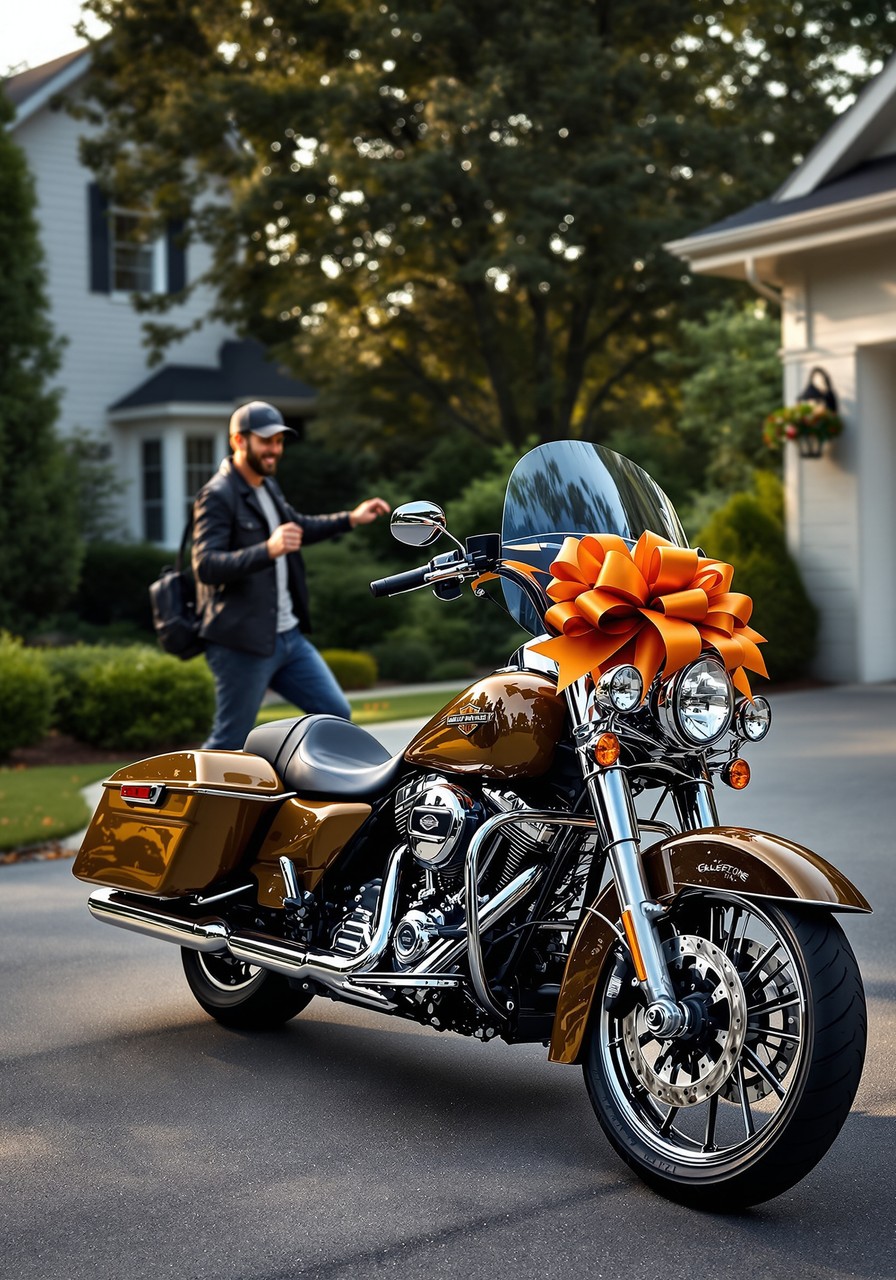
Two minutes now, a shot at $20,000 on December 10. That math works for any rider. Entry link in the comments. #RideNationNY #MotorcycleGiveaway #20kGiveaway
Local NY & Rides
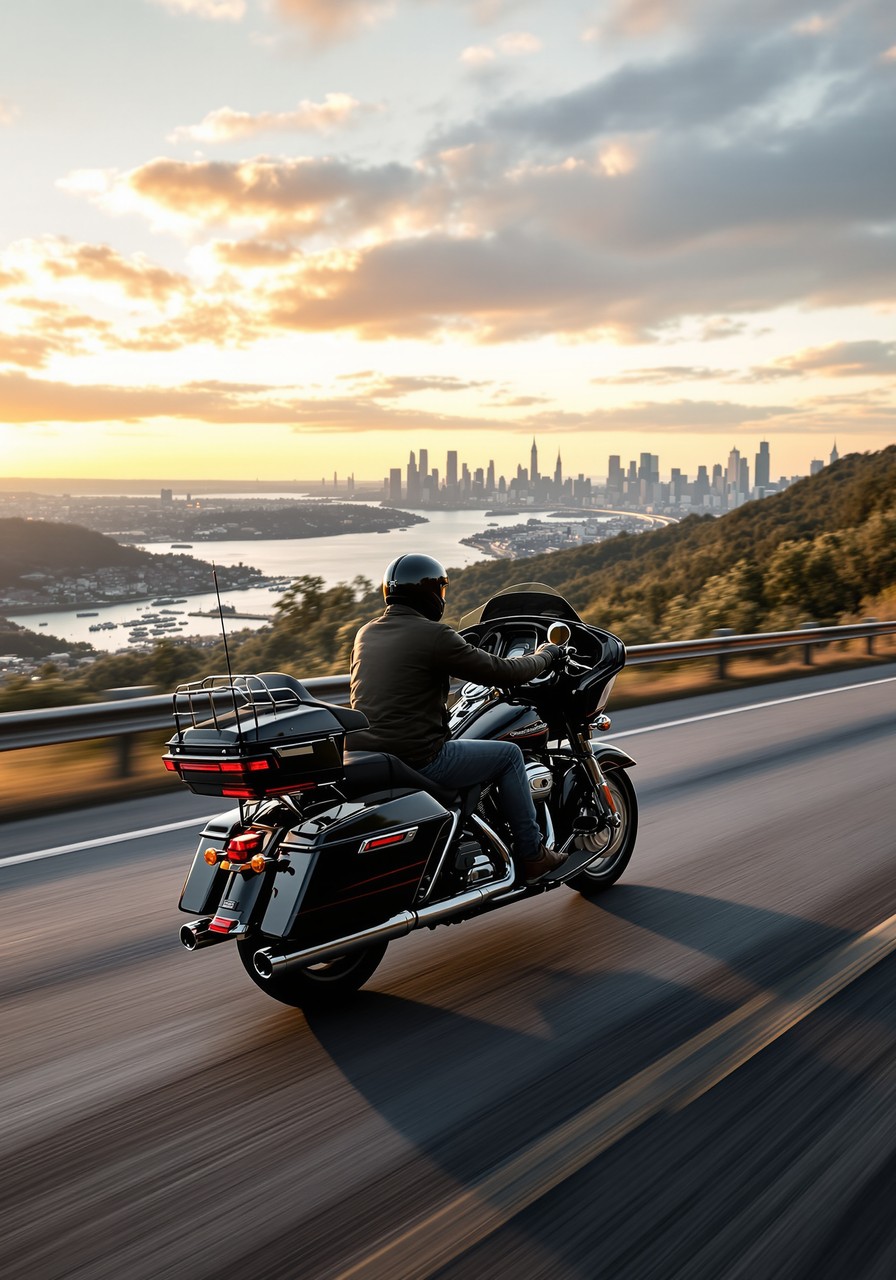
Steel plates are everywhere in the city and they are worse wet. Cross them upright and straight, no lean, no brake. #RideNationNY #NYCMotorcycles #NYRiders
Gear & New Iron
Check your tire date codes. That four-digit DOT stamp tells you the week and year, and rubber older than 5 or 6 years is hard and sketchy no matter the tread. #RideNationNY #MotorcycleMaintenance #RiderTips
Safety & NY Law
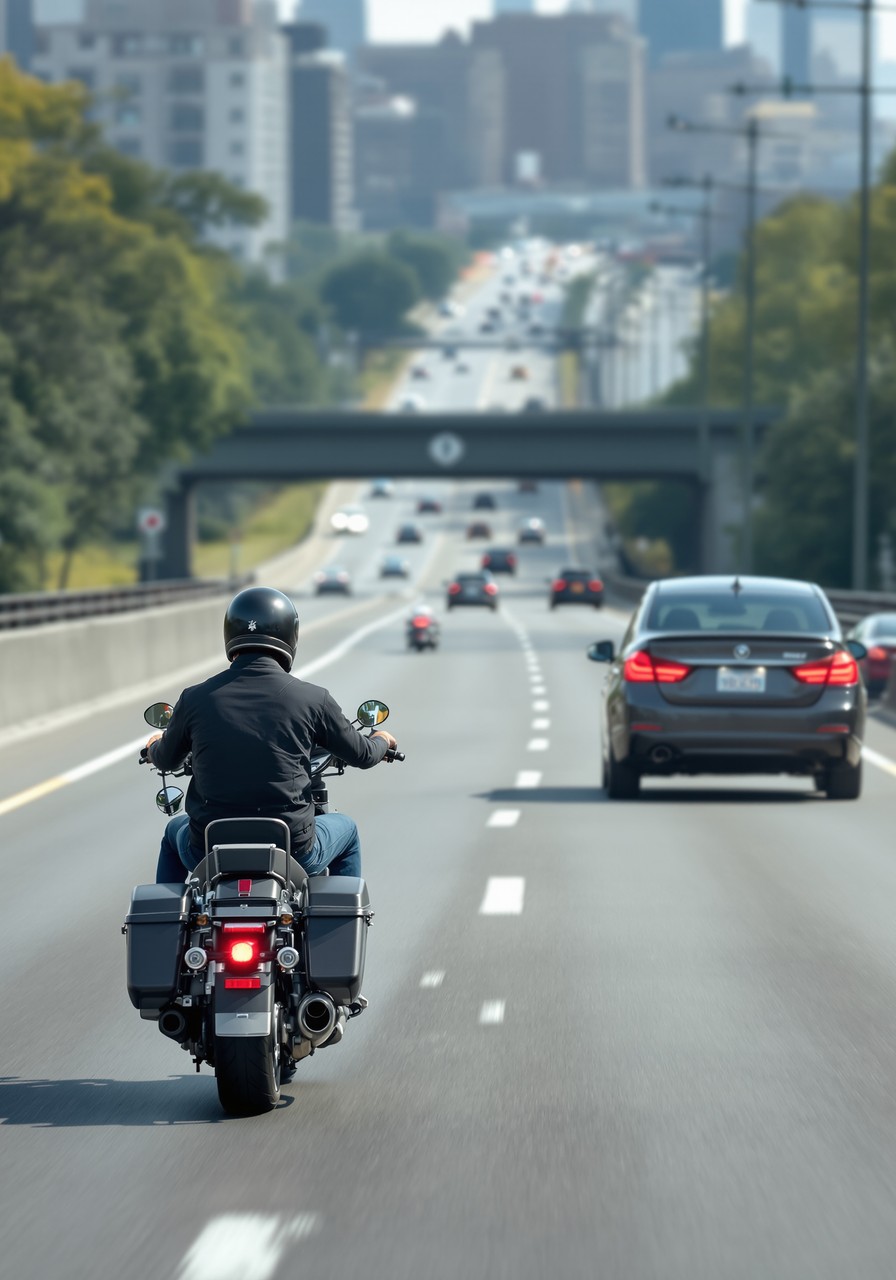
City survival tip: watch the taxis. A left-turning cab that never sees you is one of the most common ways riders go down in the metro. Stay wide, stay ready. Crash questions? O'Connor Law, 914-595-4502. #RideNationNY #RiderSafety #NYRiders
Engagement
Tag a Long Island rider who needs a warm-weather countdown. #RideNationNY #LongIsland #NYRiders
Giveaway & Countdown
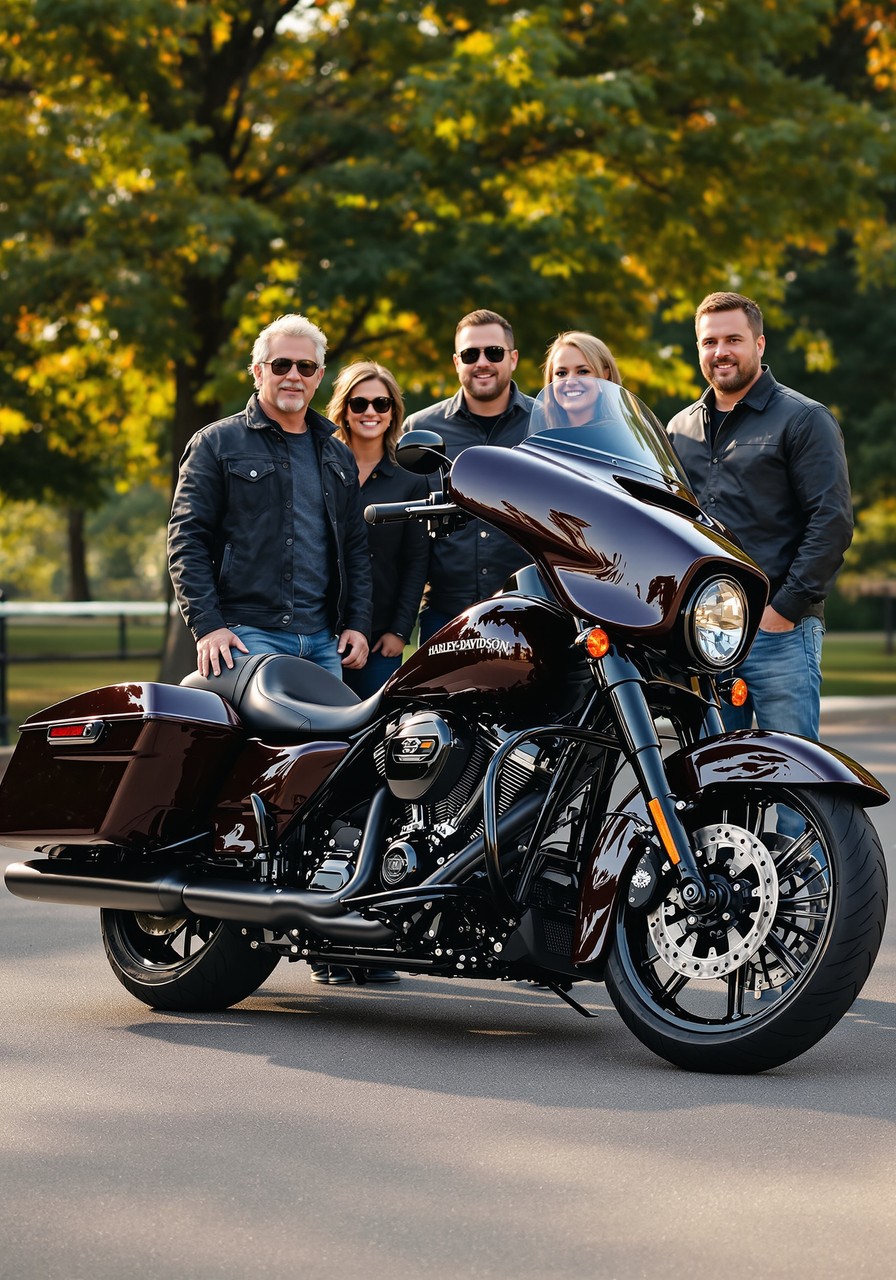
Tag a friend who talks about upgrading their bike every single ride. Here is their chance at $20,000. Link in comments. Questions after a wreck? O'Connor Law, 914-595-4502. #RideNationNY #BikersWin #WinABike
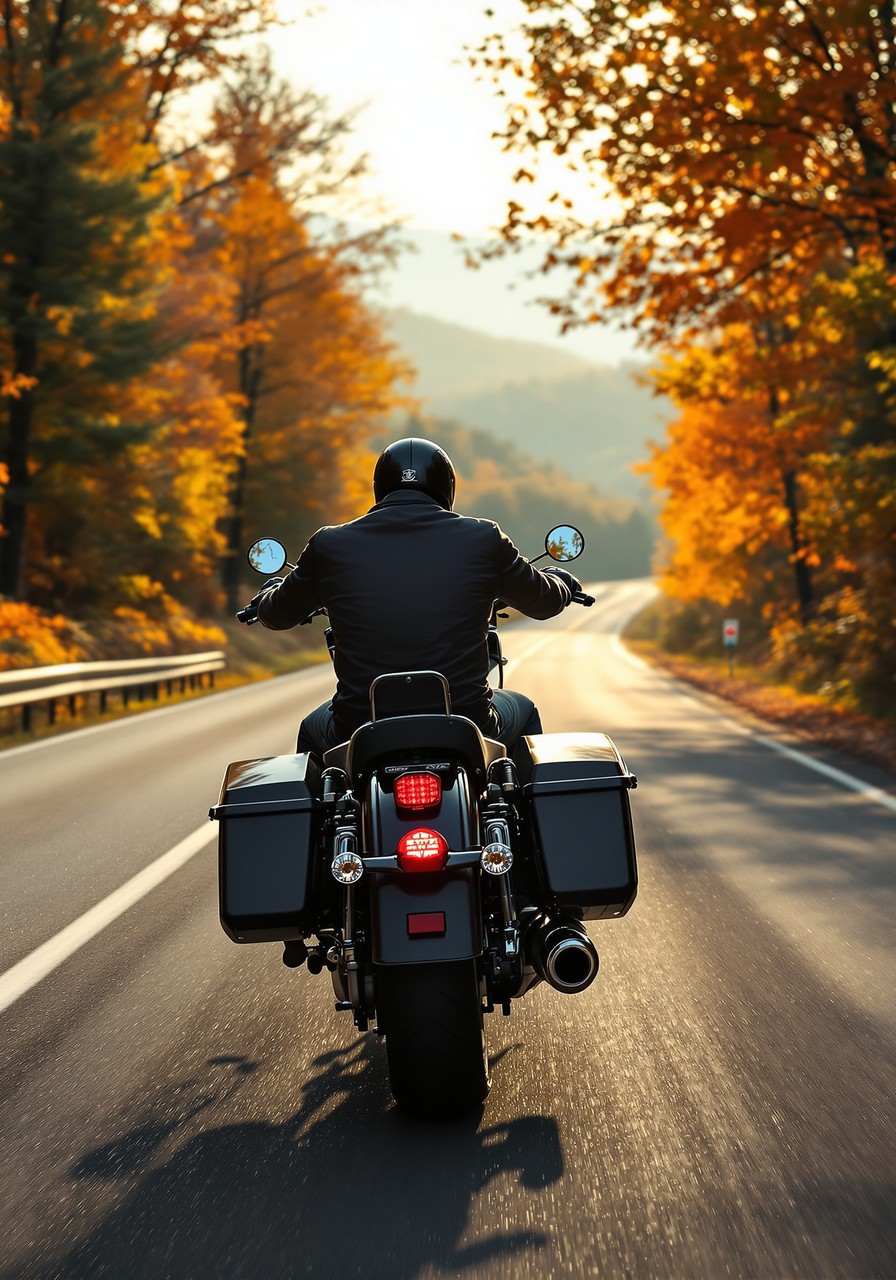
Local NY & Rides
The BQE will humble you. Broken pavement, tight merges, and trucks that do not see you. Give yourself room and an exit. #RideNationNY #NYCMotorcycles
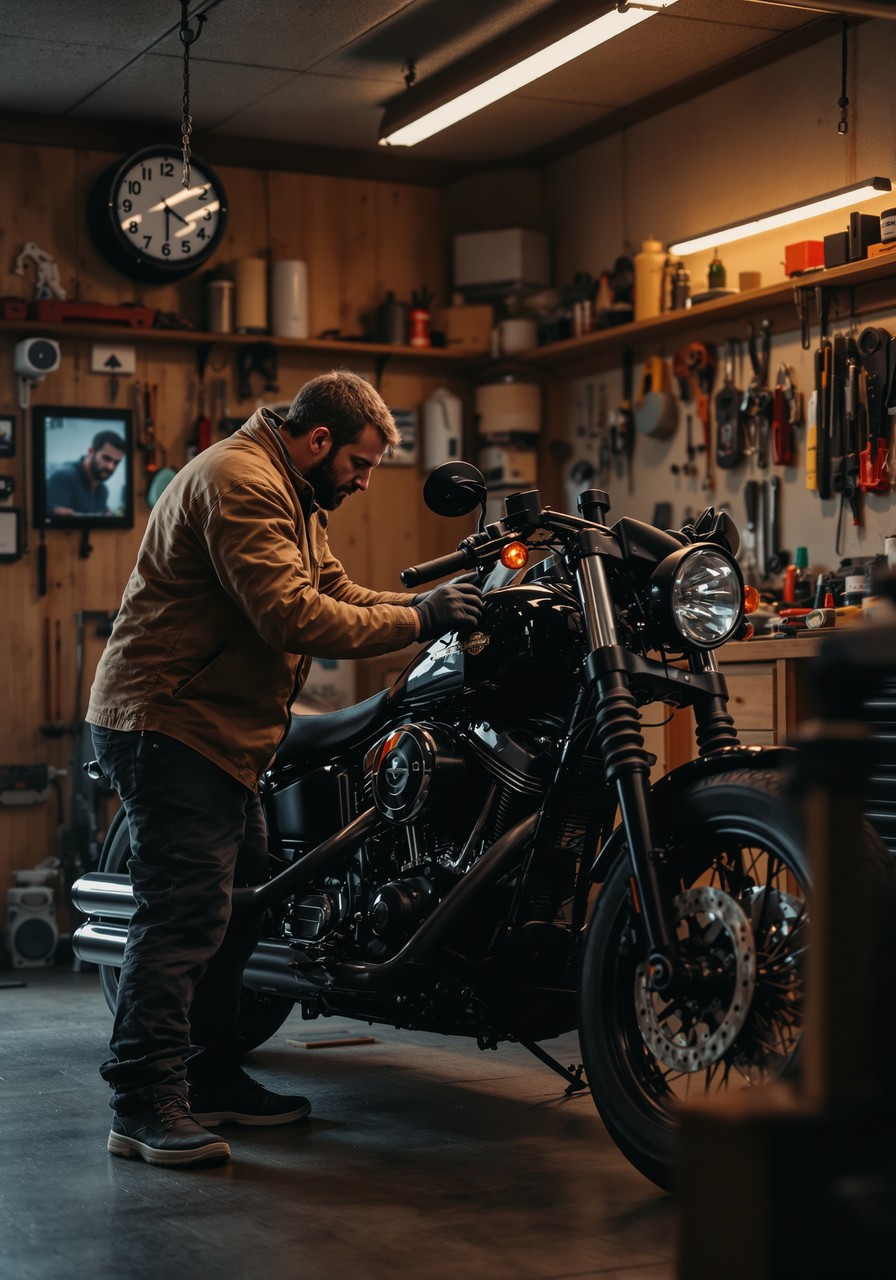
Gear & New Iron
Tread test is quick: if the wear bars are flush with the surface, you're done. Bald tires and wet city streets are a bad combination. #RideNationNY #MotorcycleMaintenance #RiderTips
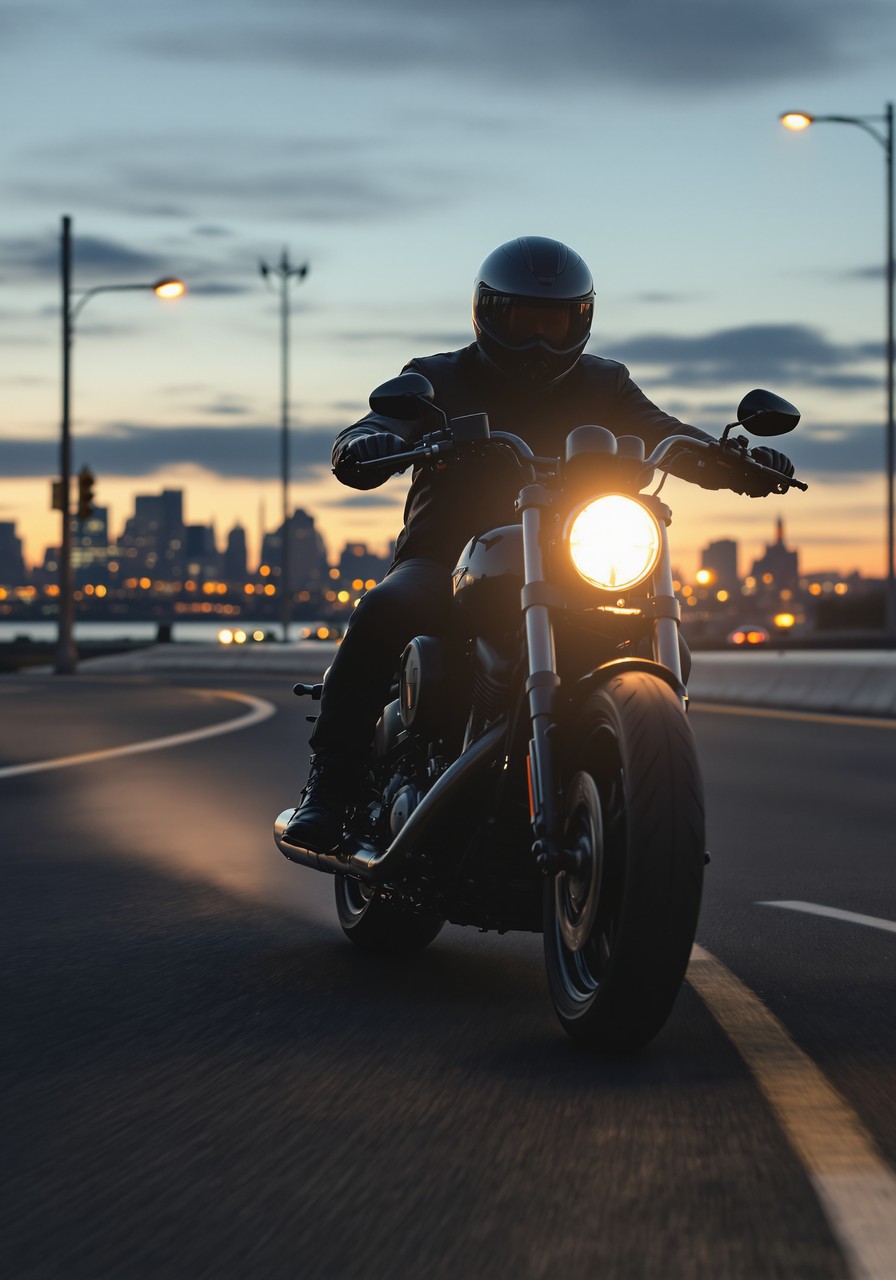
Safety & NY Law
For-hire cars stop and turn on a dime in NYC traffic. Assume they do not see you and leave yourself an out. Hurt on two wheels? Mary Ellen O'Connor, O'Connor Law, no cost to talk. 914-595-4502. #RideNationNY #MotorcycleSafety #NYRiders
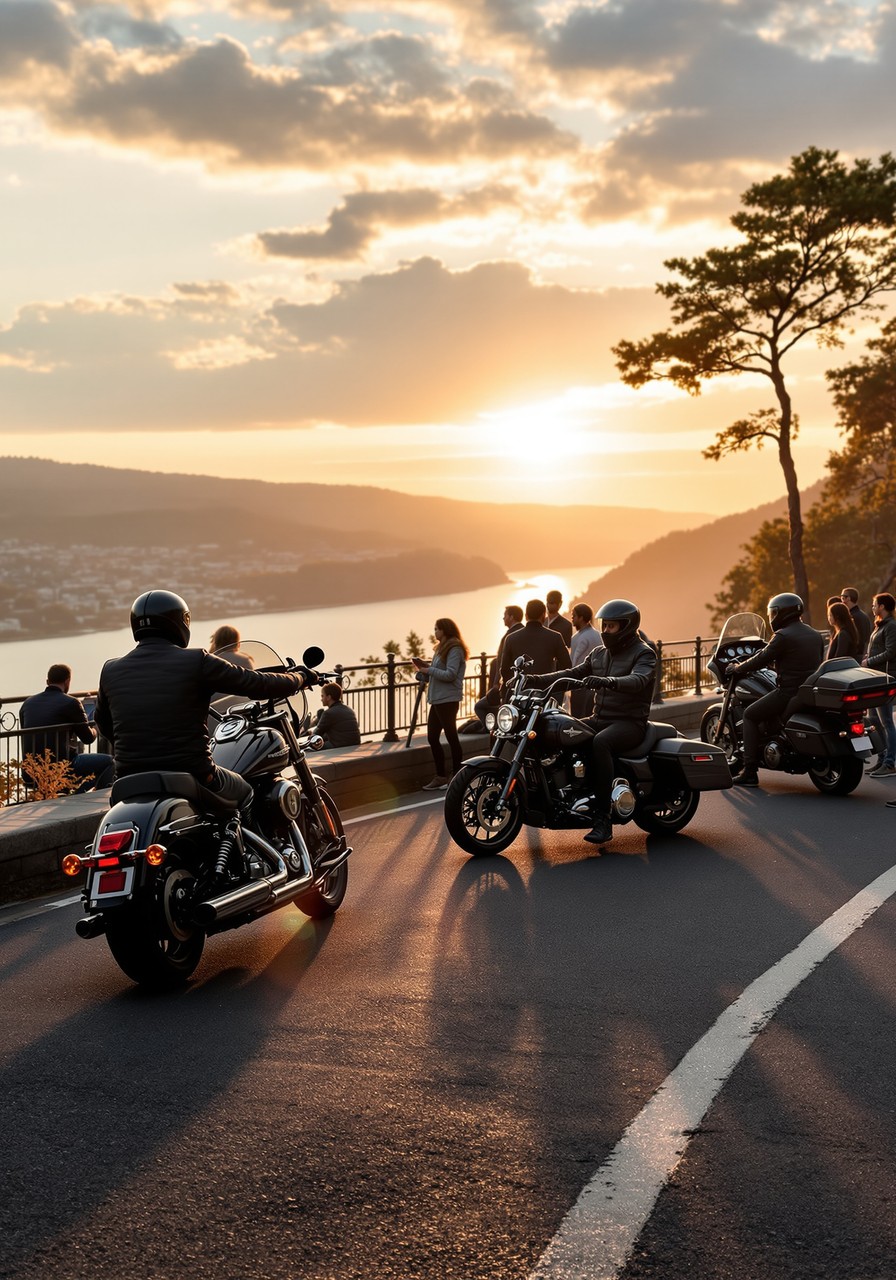
Engagement
Caption this: your odometer on the last ride before the cold. #RideNationNY #BikerLife #TwoWheels
Giveaway & Countdown
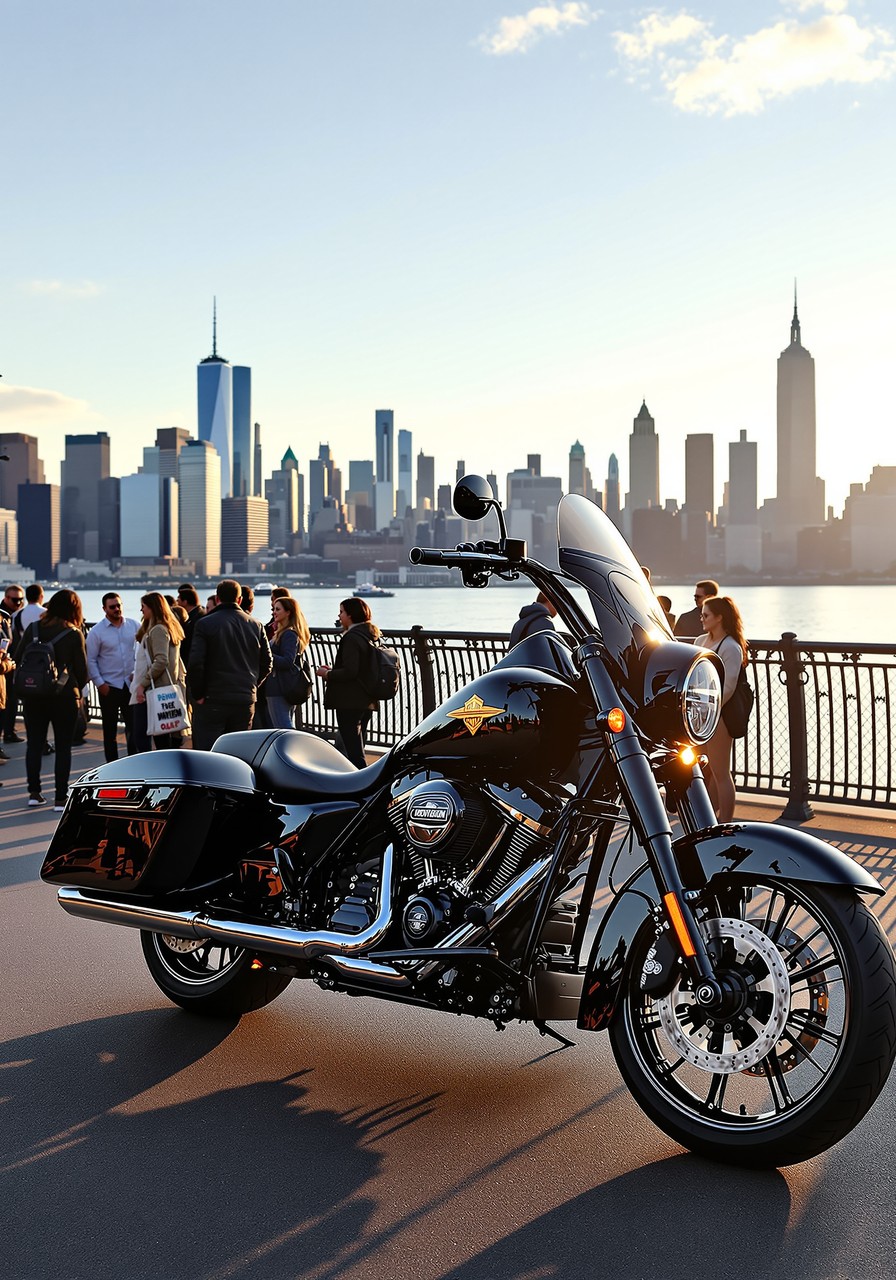
One week out. The $20,000 BikersWin giveaway draws December 10 and you still have time to get in free. Entry link in the comments. #RideNationNY #20kGiveaway #NYCMotorcycles
Local NY & Rides
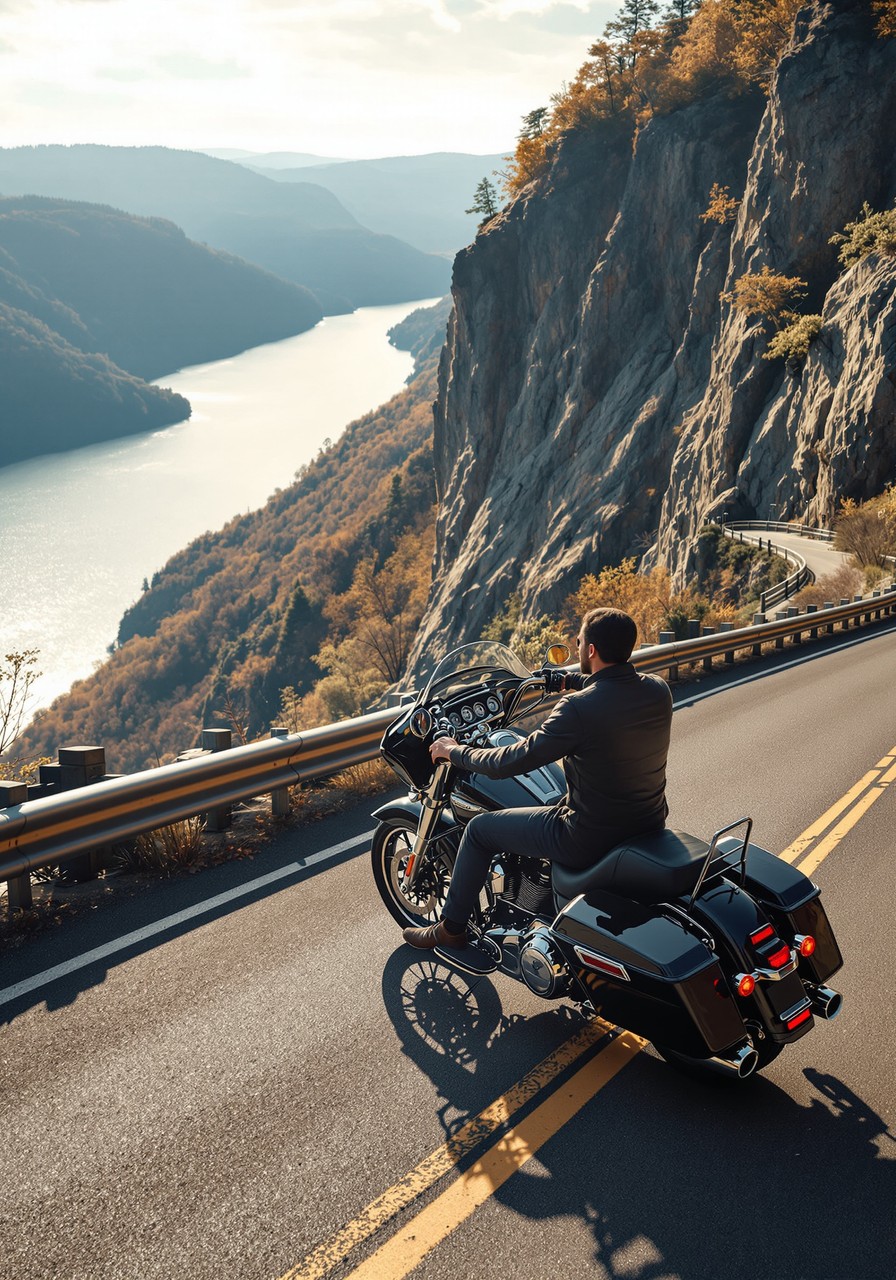
The Cross Bronx is not a scenic route, it is a survival route. Ride it awake, leave a gap, and never park yourself in a blind spot. #RideNationNY #NYCMotorcycles #NYRiders
Gear & New Iron
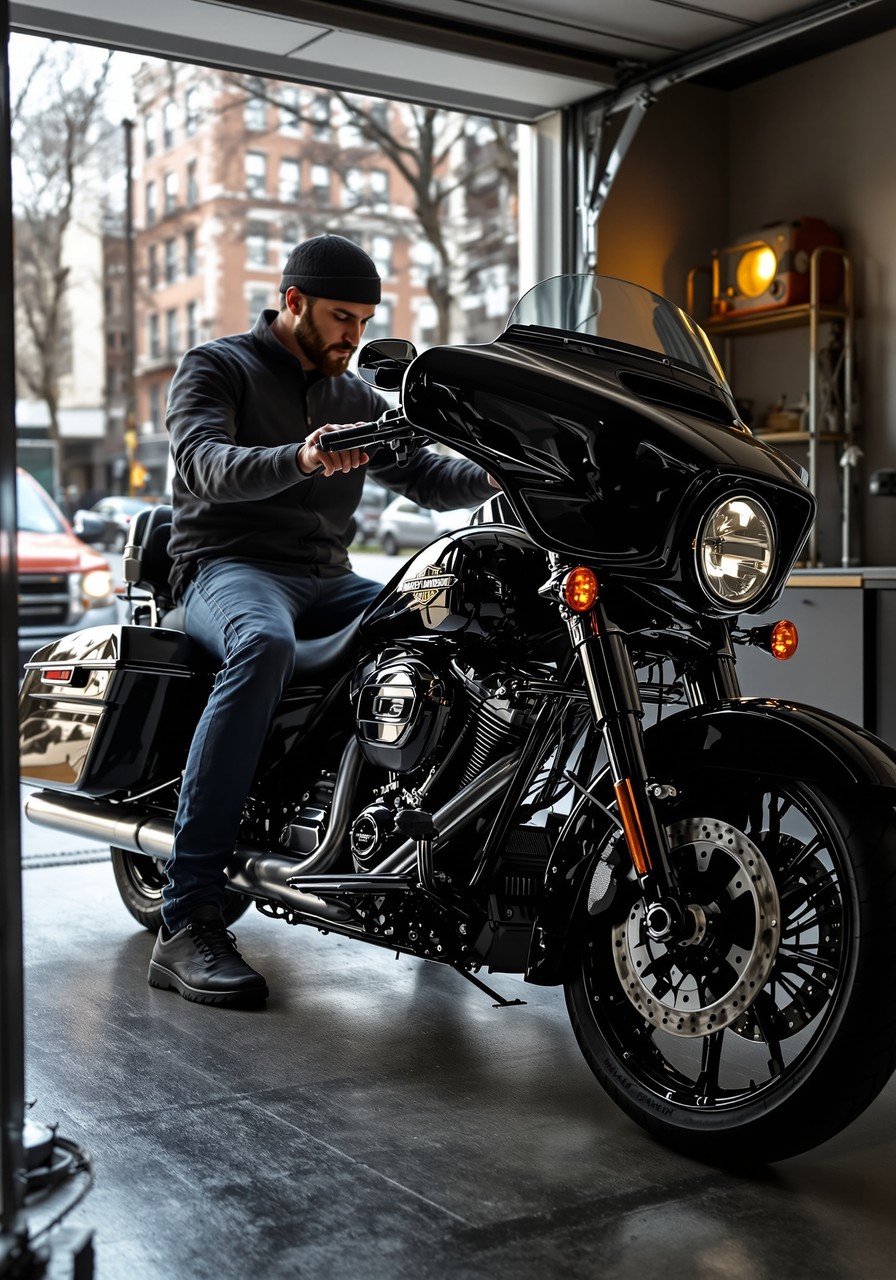
Cold air drops your tire pressure fast. Check it on a cold morning, set it to spec, and do it weekly once the temps fall. #RideNationNY #ColdWeatherRiding #MotorcycleMaintenance
Safety & NY Law
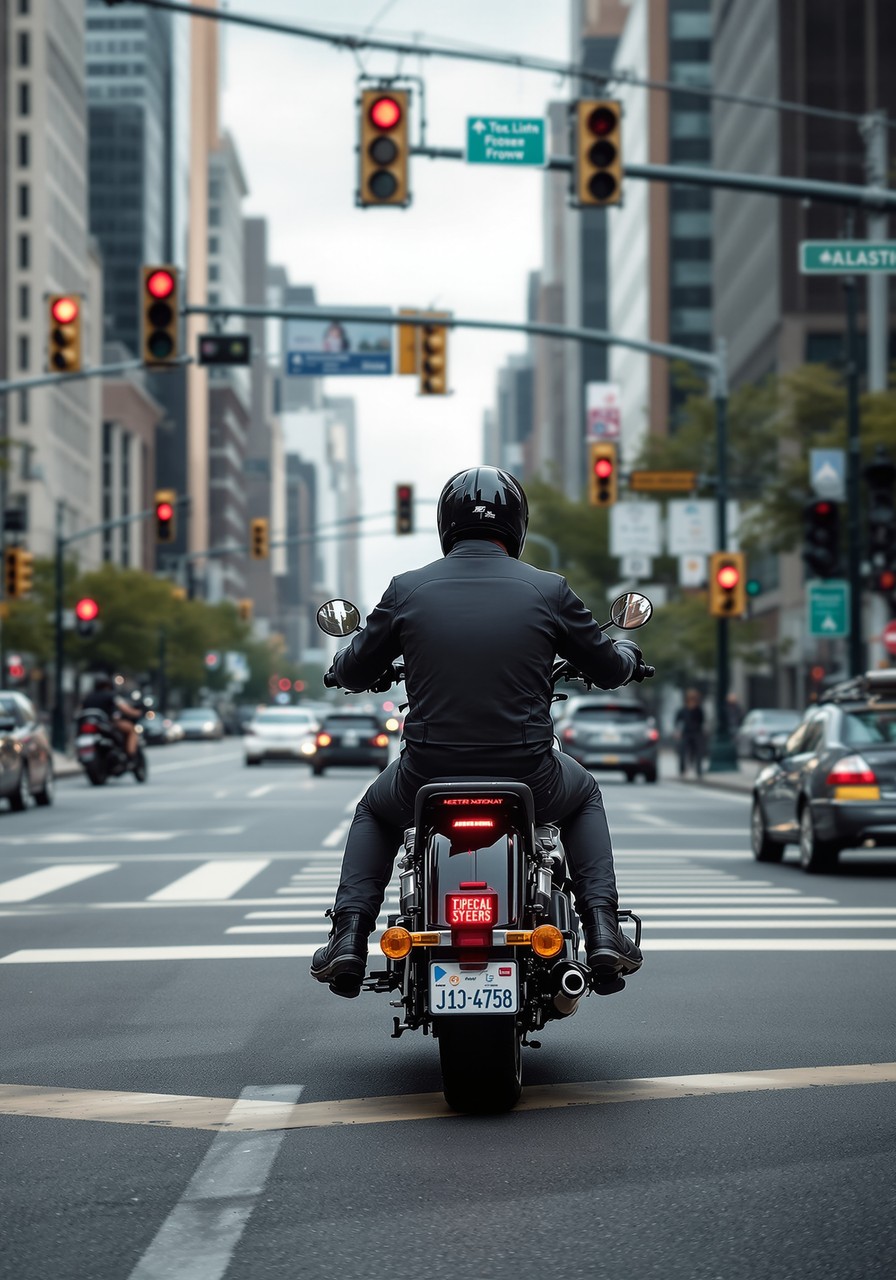
Delivery mopeds and e-bikes come from everywhere in the city, often against traffic. Keep your head up at every intersection. Questions after a crash? O'Connor Law, free to talk. 914-595-4502. #RideNationNY #RiderSafety #MotorcycleSafety
Engagement
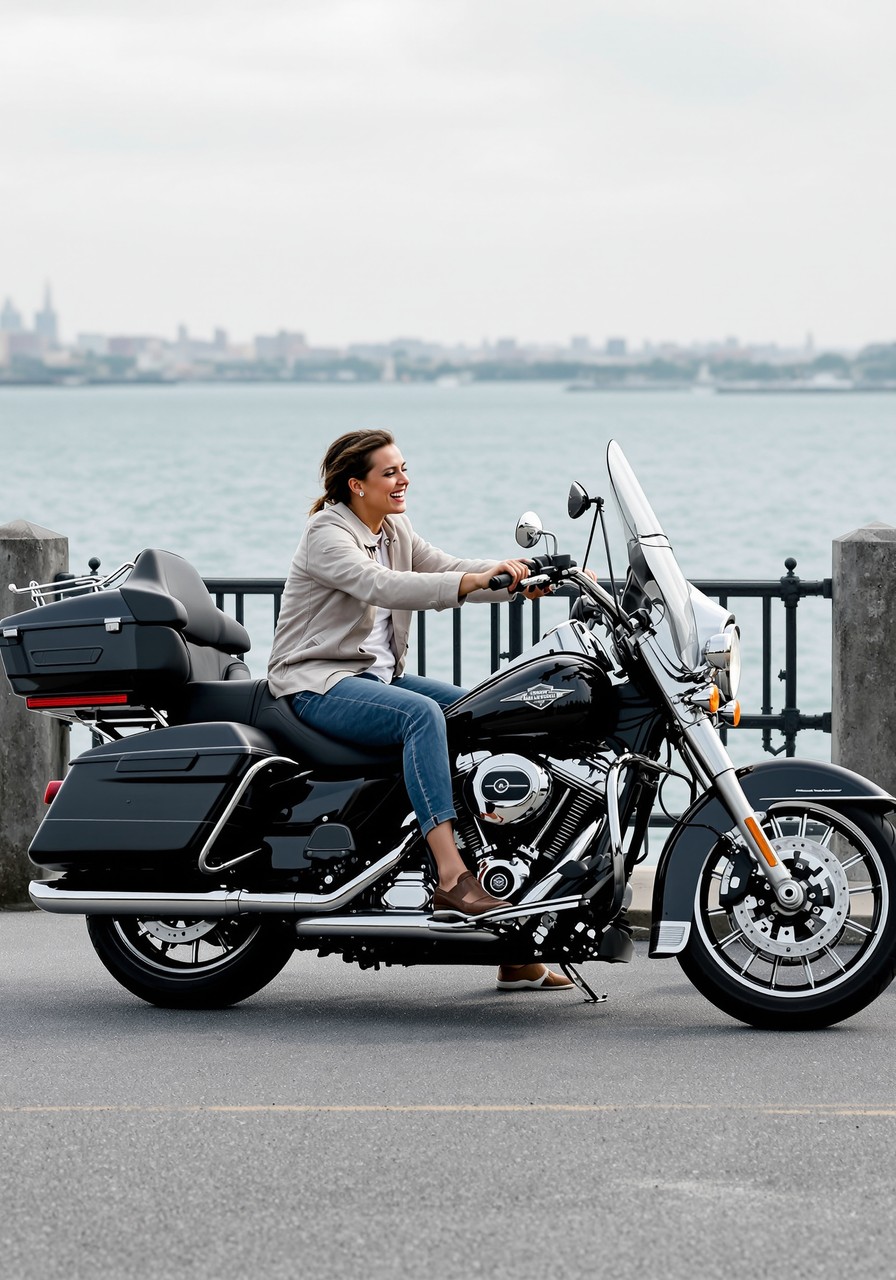
Poll: winter riders, are you all-season or full hibernation? #RideNationNY #NYRiders #BikerLife
Giveaway & Countdown
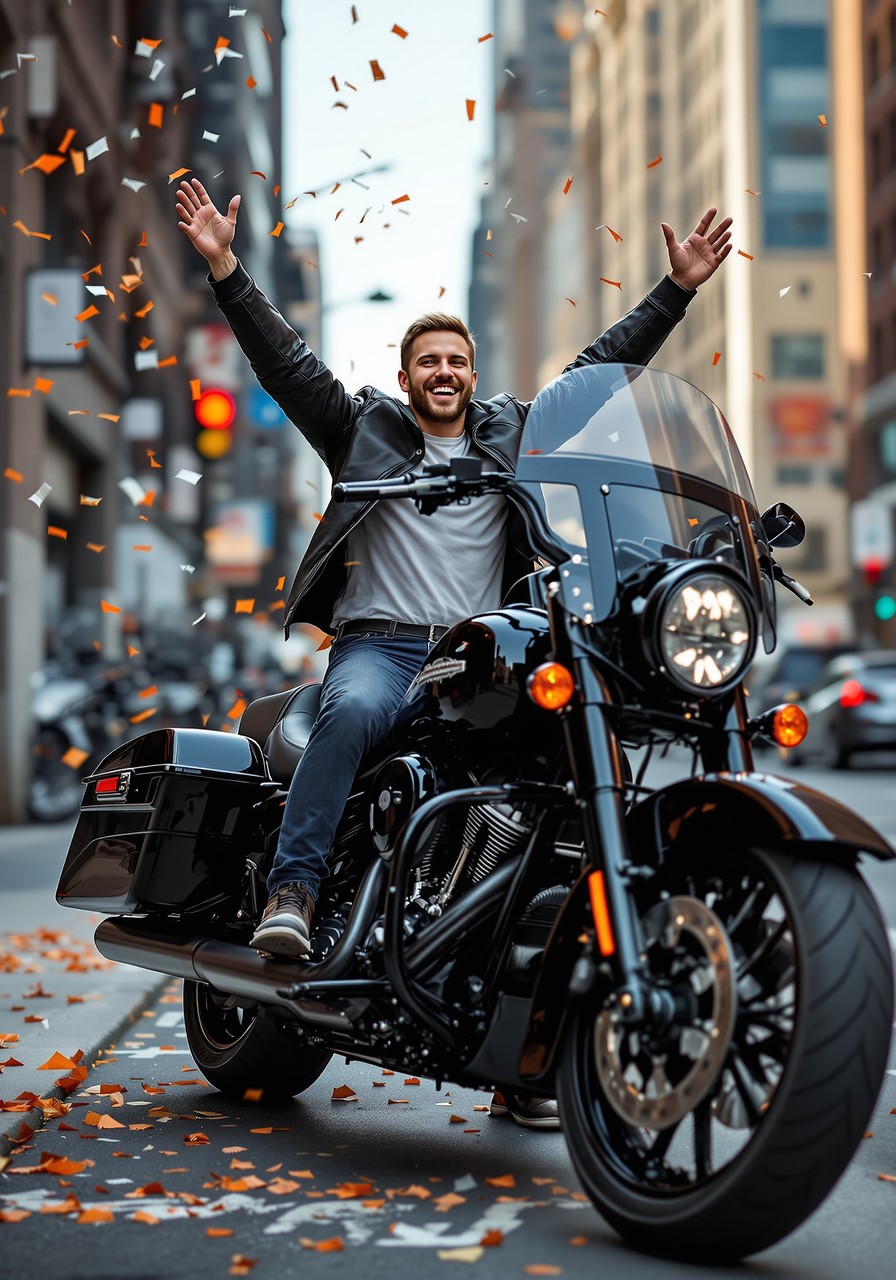
Why not you? Every rider who enters has the same shot at $20,000 toward any bike they want. Yours starts with the link in comments. #RideNationNY #MotorcycleGiveaway #NYRiders
Local NY & Rides
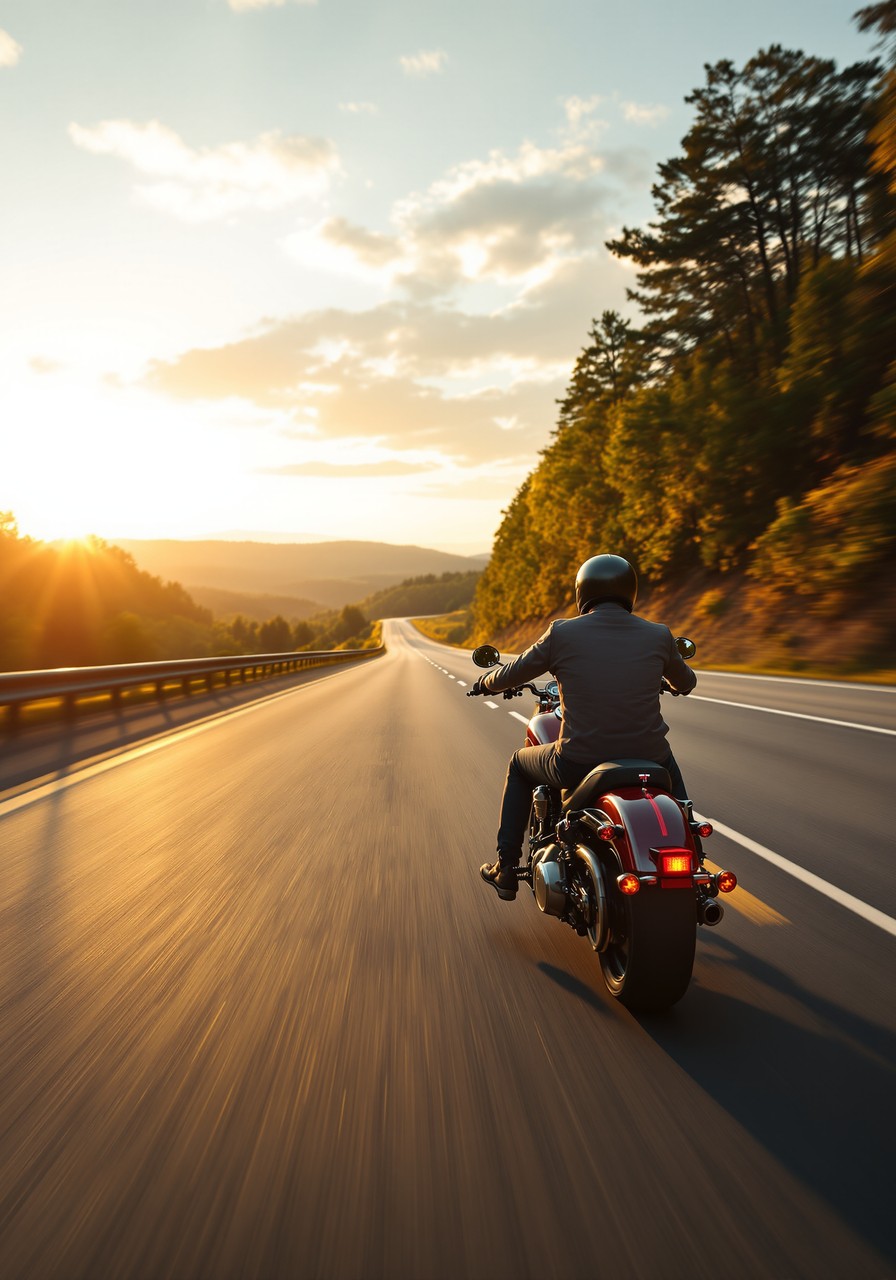
Delivery mopeds and e-bikes swap directions on a dime in Manhattan. Downtown, assume the lane can fill from anywhere and cover your brakes. #RideNationNY #NYCMotorcycles #NYRiders
Gear & New Iron
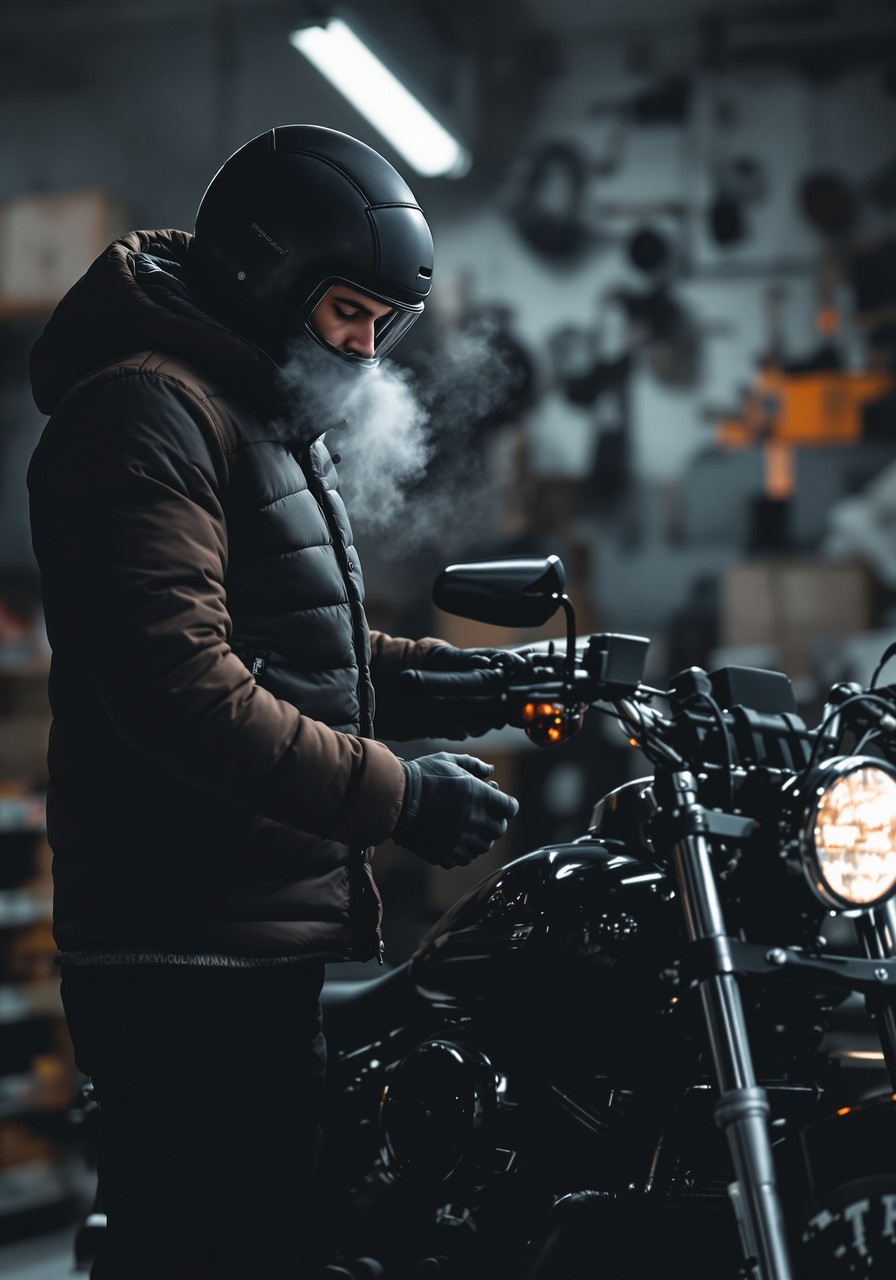
Cold tires have less grip until they warm up. Take the first few miles easy on a chilly NY morning before you lean on them. #RideNationNY #ColdWeatherRiding #RiderTips
Safety & NY Law
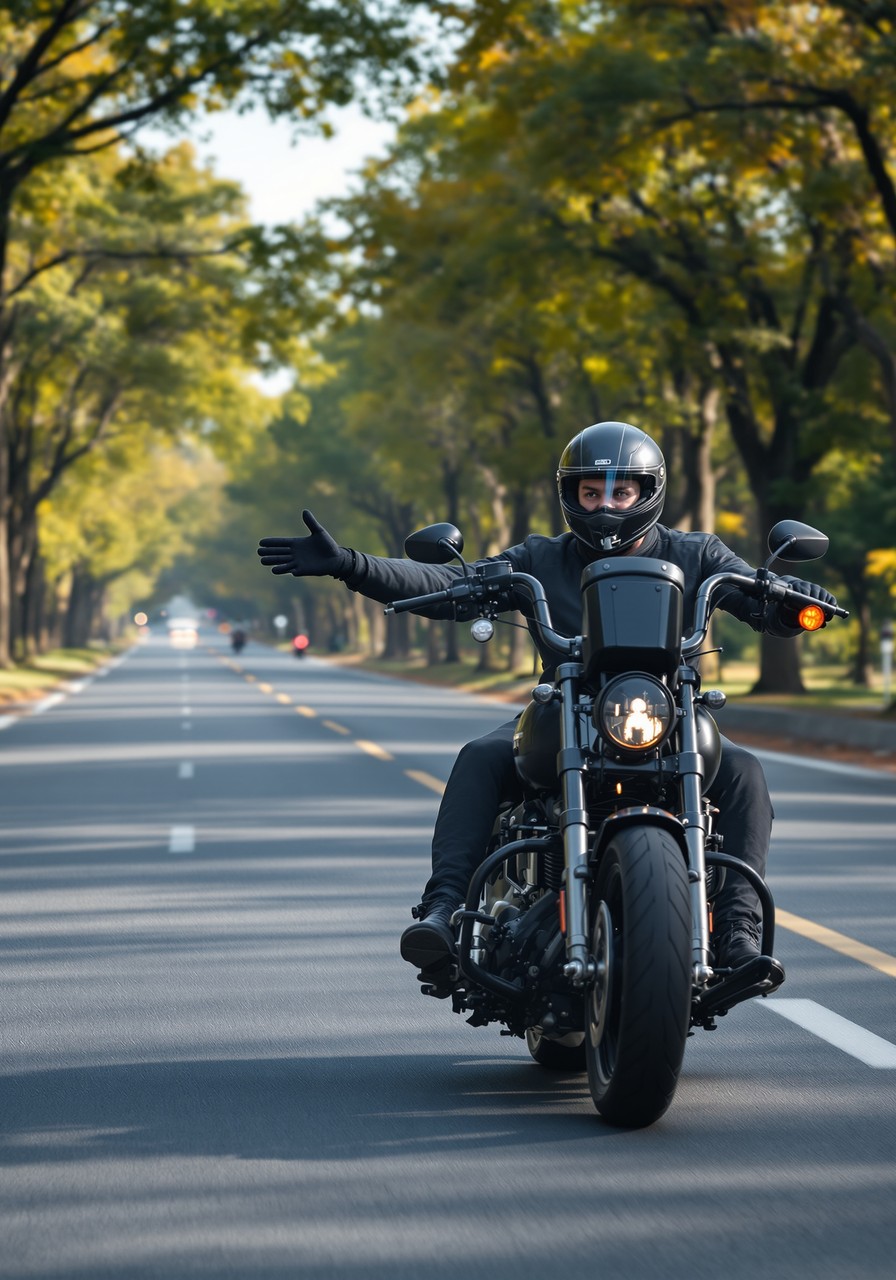
Steel plates and potholes are their own hazard on NYC streets, especially in the wet. Scan the surface, not just the traffic. Went down and hurt? Mary Ellen O'Connor and O'Connor Law, 914-595-4502. #RideNationNY #RiderSafety #NYRiders
Engagement
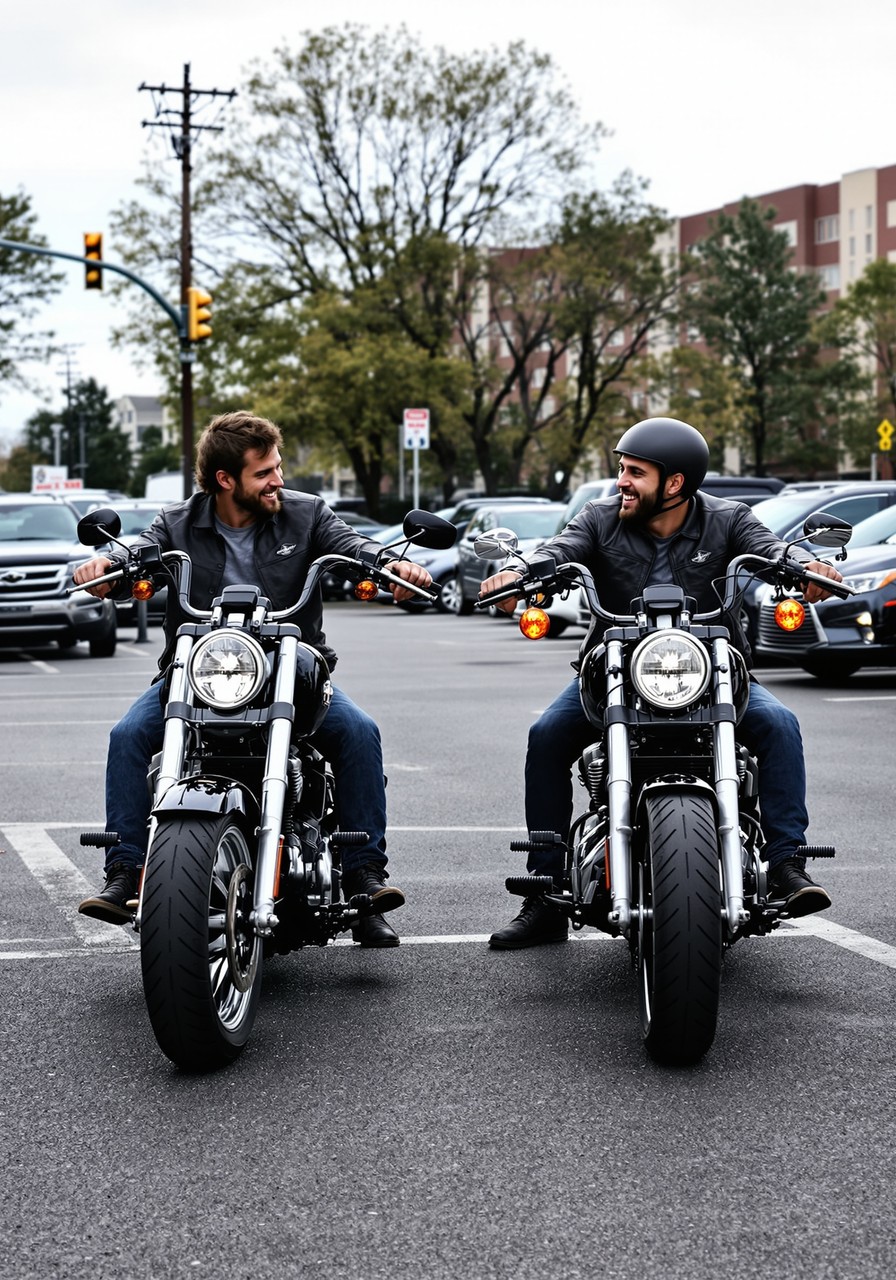
Best diner to end a Hudson Valley run. Name it for the crew. #RideNationNY #HudsonValley #TwoWheels
Giveaway & Countdown
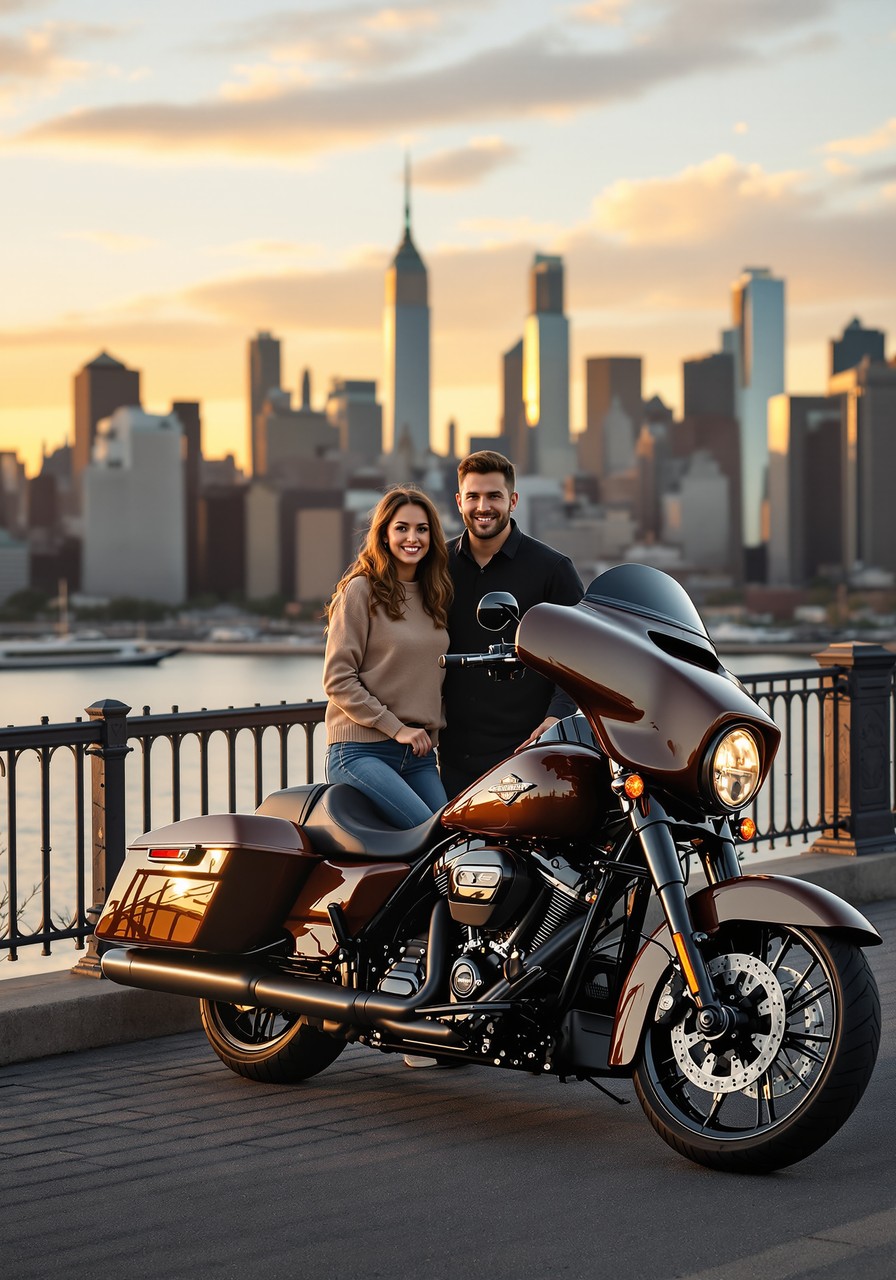
Imagine December 10 and your phone buzzes. You just won $20,000 toward a new motorcycle. It happens to one rider. Enter free, link in comments. #RideNationNY #BikersWin #WinABike
Local NY & Rides
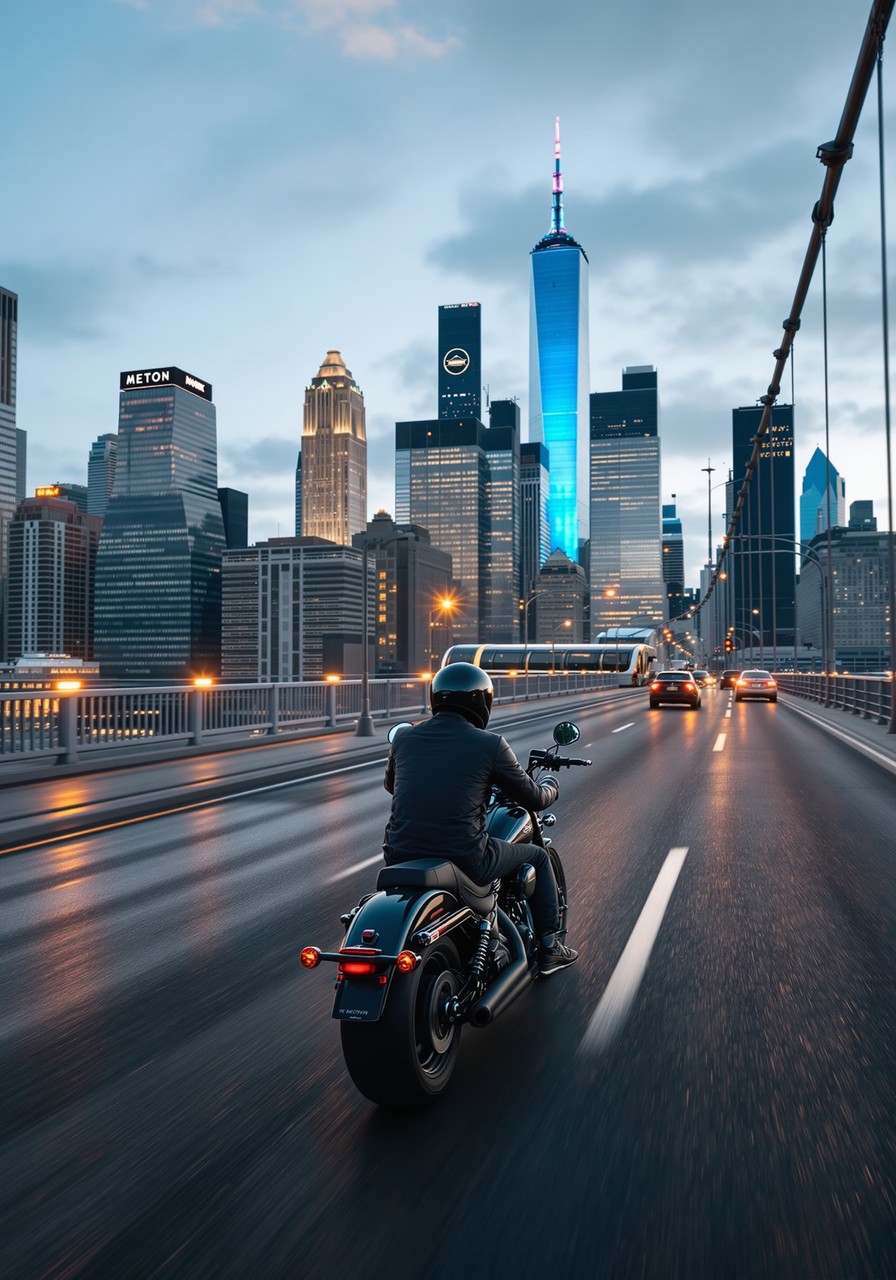
Taxi left turns are the classic city ambush. When you see a gap they see it too, so slow into the intersection and make eye contact. #RideNationNY #NYCMotorcycles
Gear & New Iron
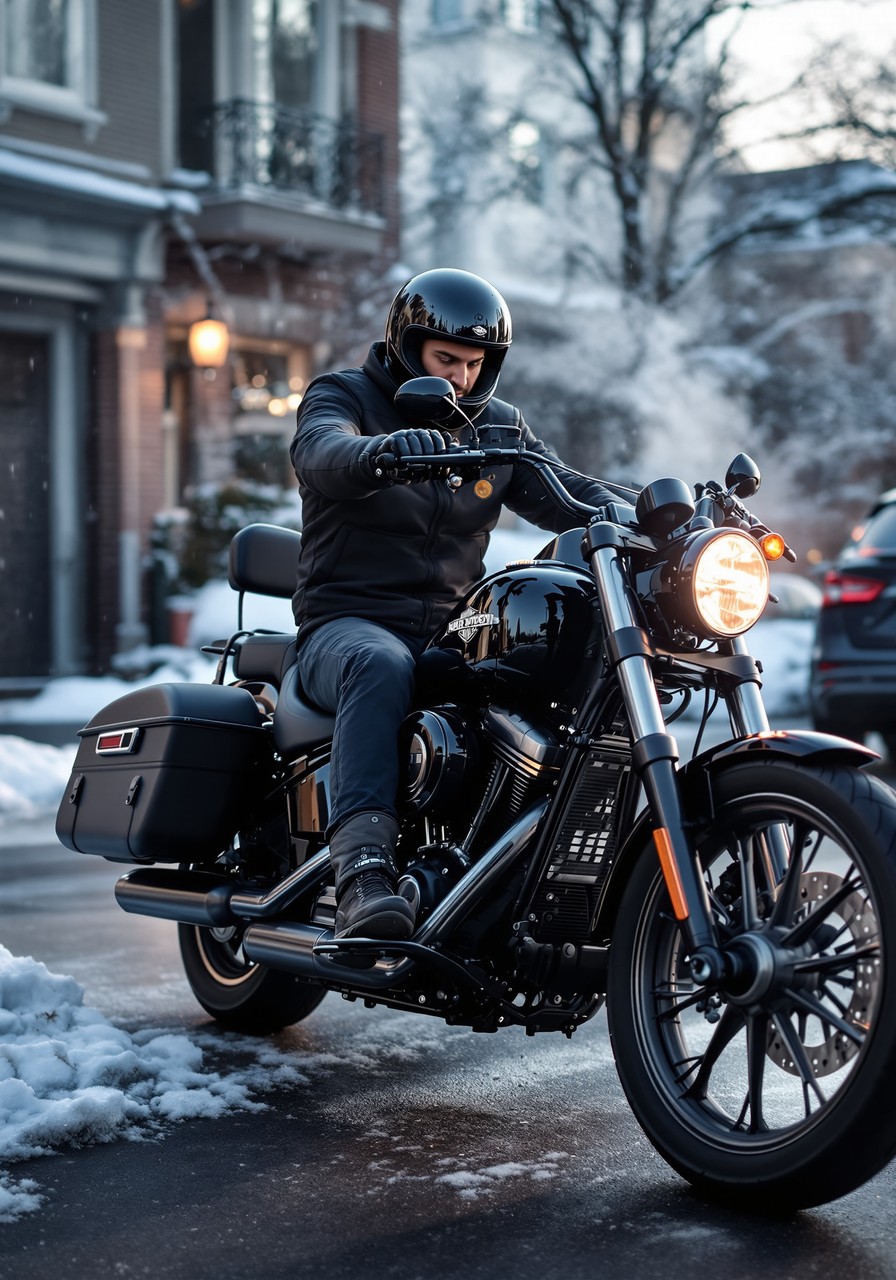
Winter battery tip: a 30 dollar tender beats a dead battery in April. Plug it in before the first hard freeze and forget about it. #RideNationNY #MotorcycleMaintenance #ColdWeatherRiding
Safety & NY Law
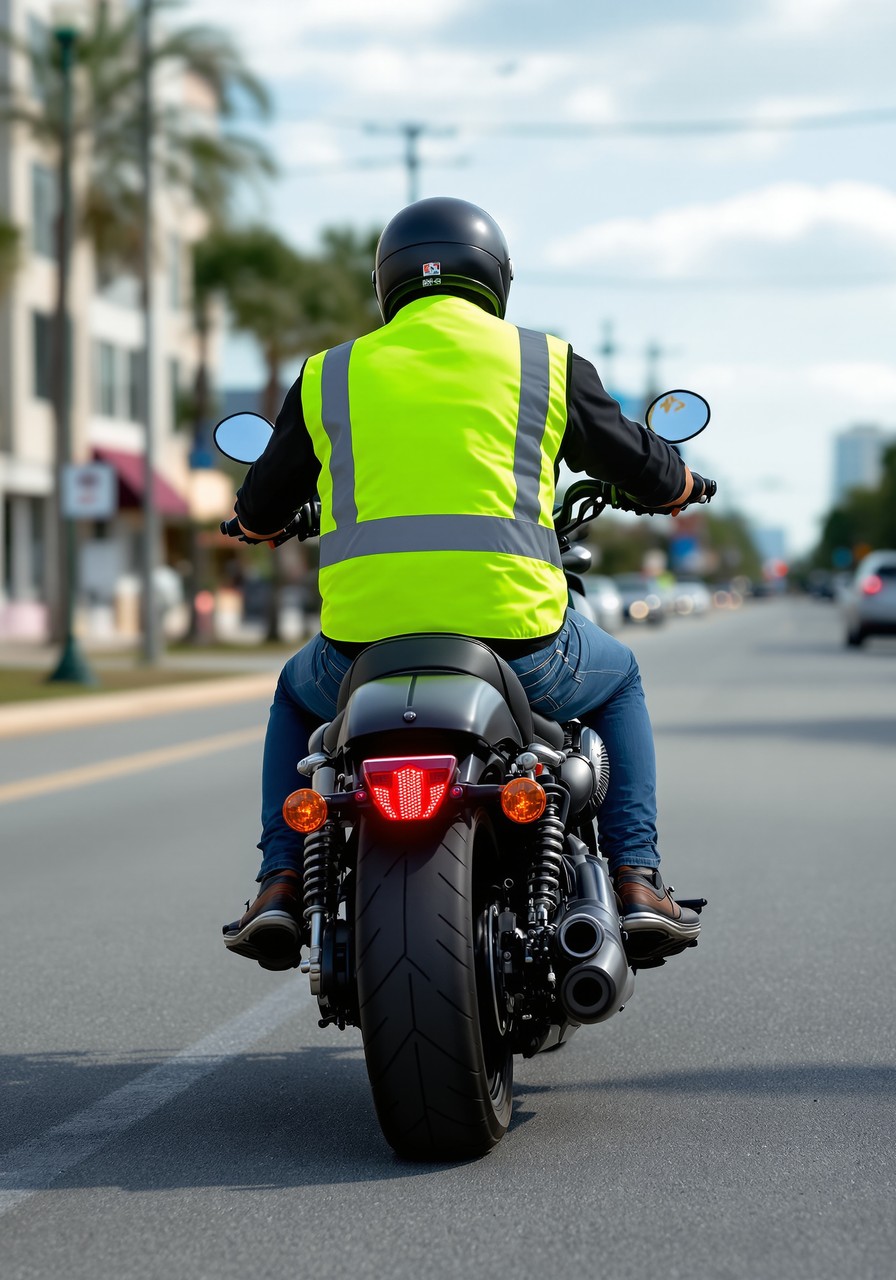
Be visible out there. Lane position, bright gear, and covering your brakes buy you time drivers will not give you. Questions after a crash? O'Connor Law, no cost to talk. 914-595-4502. #RideNationNY #MotorcycleSafety #ATGATT
Engagement
This or that: Bronx streets or Westchester curves on a Sunday. #RideNationNY #Westchester #NYCMotorcycles
Giveaway & Countdown
Last call is coming fast. If you have not entered the $20,000 BikersWin giveaway yet, now is the time. Link in comments. Questions after a wreck? O'Connor Law, 914-595-4502. #RideNationNY #20kGiveaway #FreeToEnter
Local NY & Rides
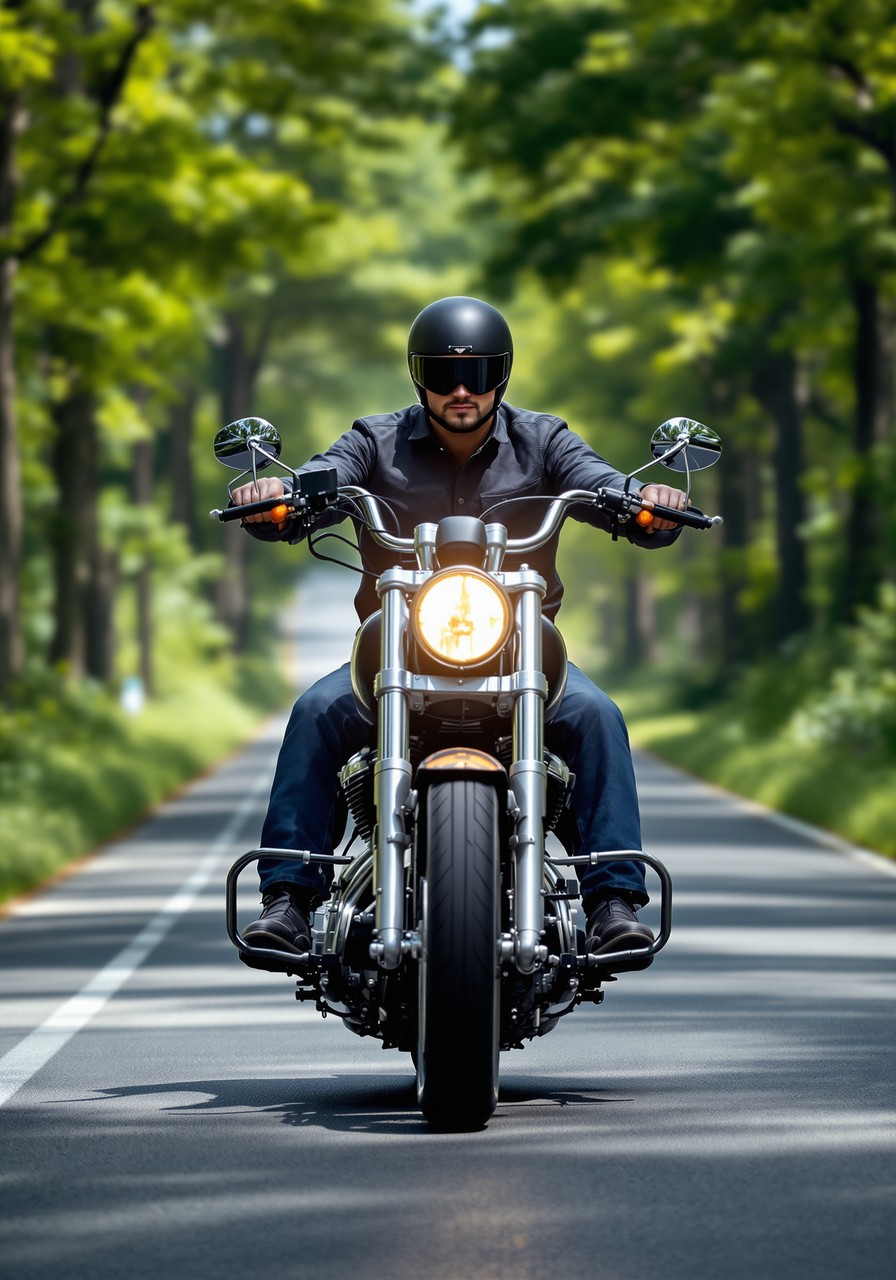
The GW Bridge on a clear morning is a whole mood. Roll across, drop onto the Palisades, and let the river carry you north. #RideNationNY #Palisades #NYRiders
Gear & New Iron
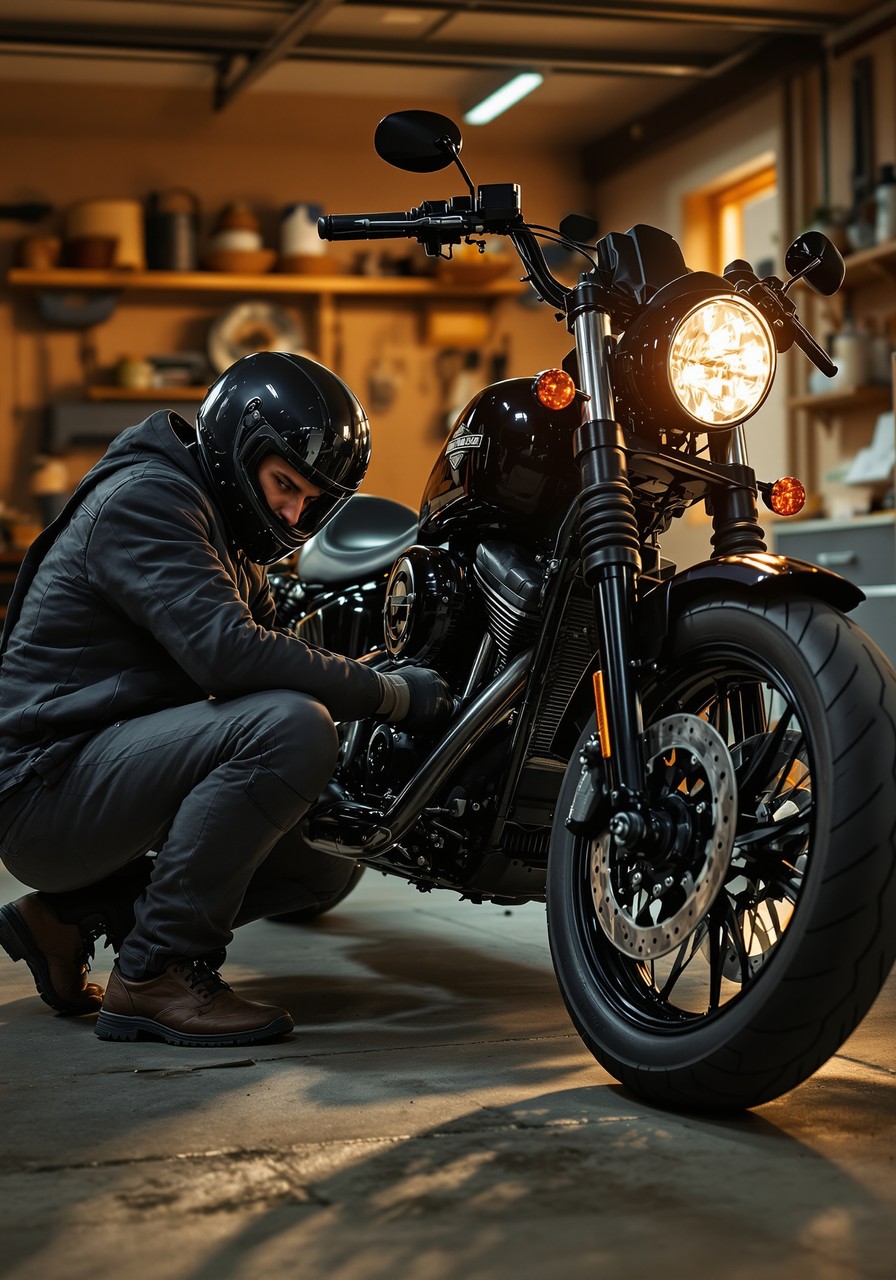
Cold kills weak batteries. If yours cranked slow in the fall, it won't survive storage, so test it or replace it before you tuck the bike away. #RideNationNY #MotorcycleMaintenance #RiderTips
Safety & NY Law
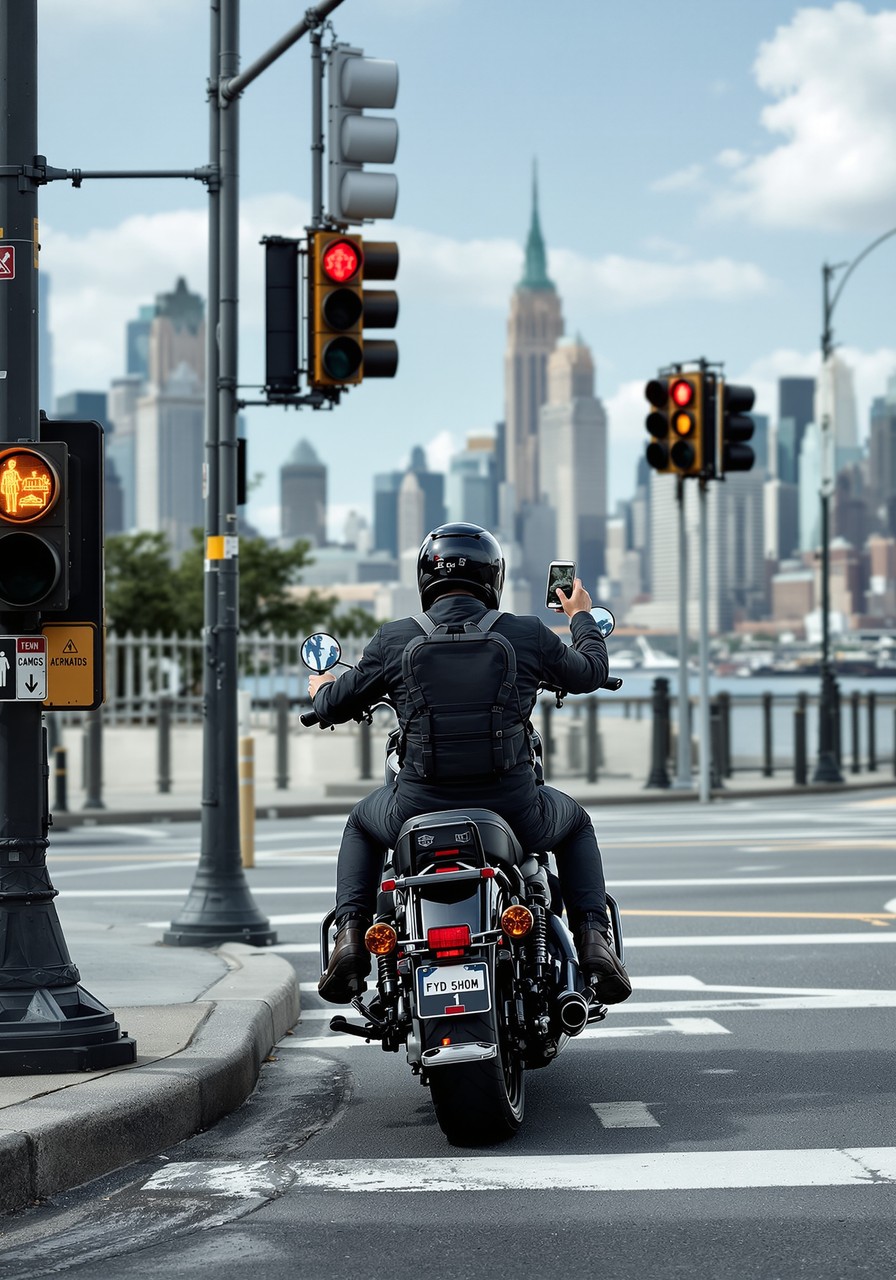
Ride your own ride. Not the pace of the guy next to you, not the light you can almost make. Home in one piece beats everything. Hurt anyway? Mary Ellen O'Connor, O'Connor Law, 914-595-4502. #RideNationNY #RiderSafety #NYRiders
Engagement
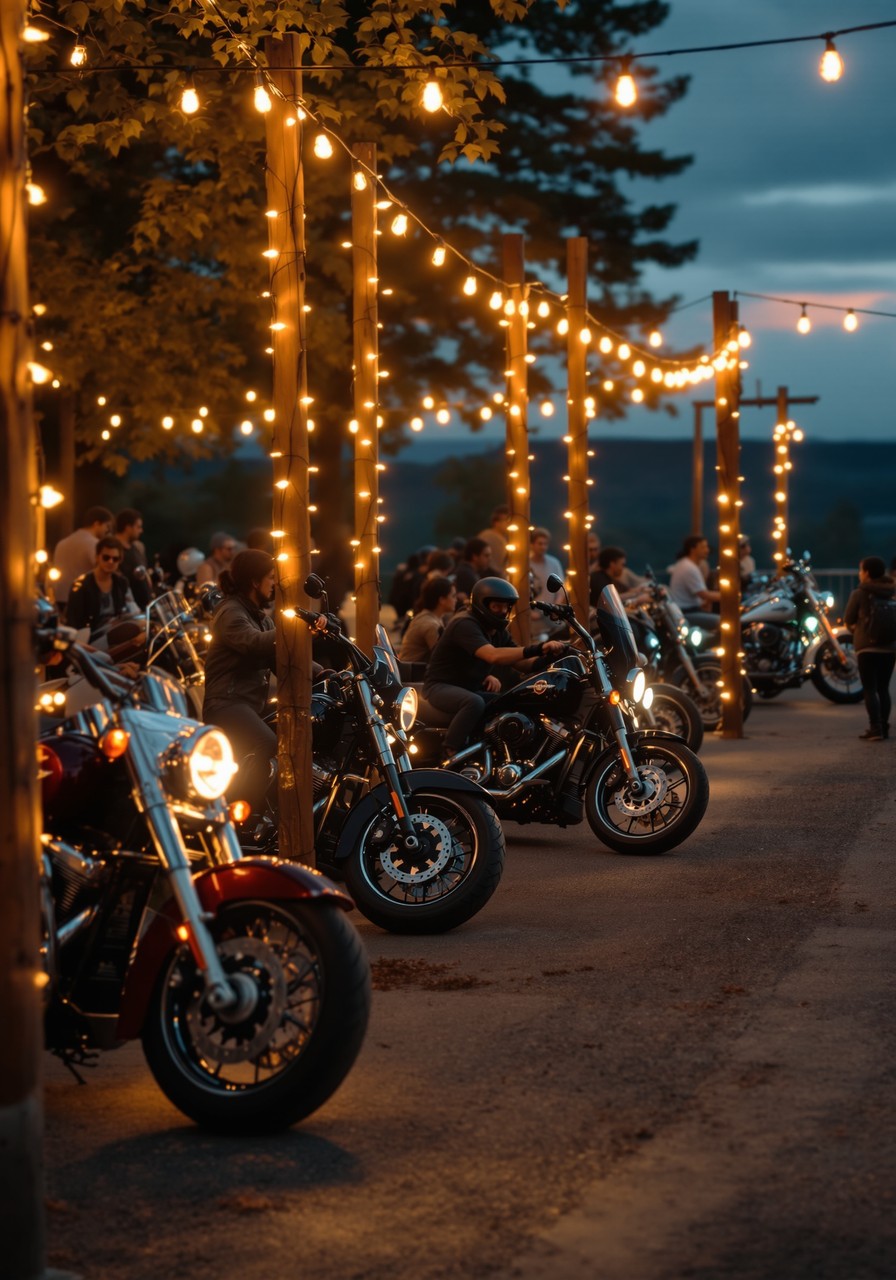
Finish the sentence: My first bike was a _____ and I loved it. #RideNationNY #BikerLife #NYRiders
Giveaway & Countdown
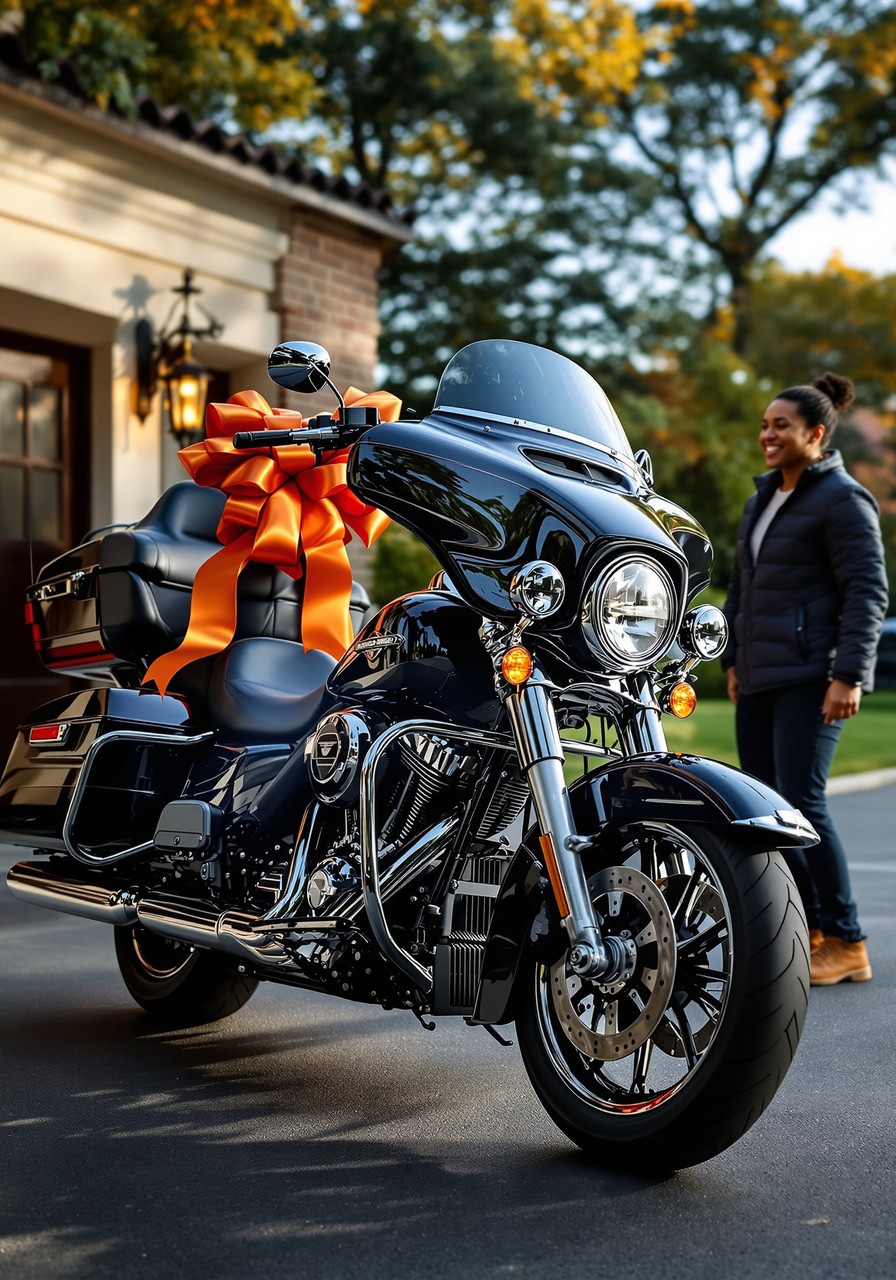
Free to enter and open to riders 18 and up. $20,000 toward the bike of your dreams. Drawn December 10. Entry link in the comments. #RideNationNY #MotorcycleGiveaway #NYCMotorcycles
Local NY & Rides
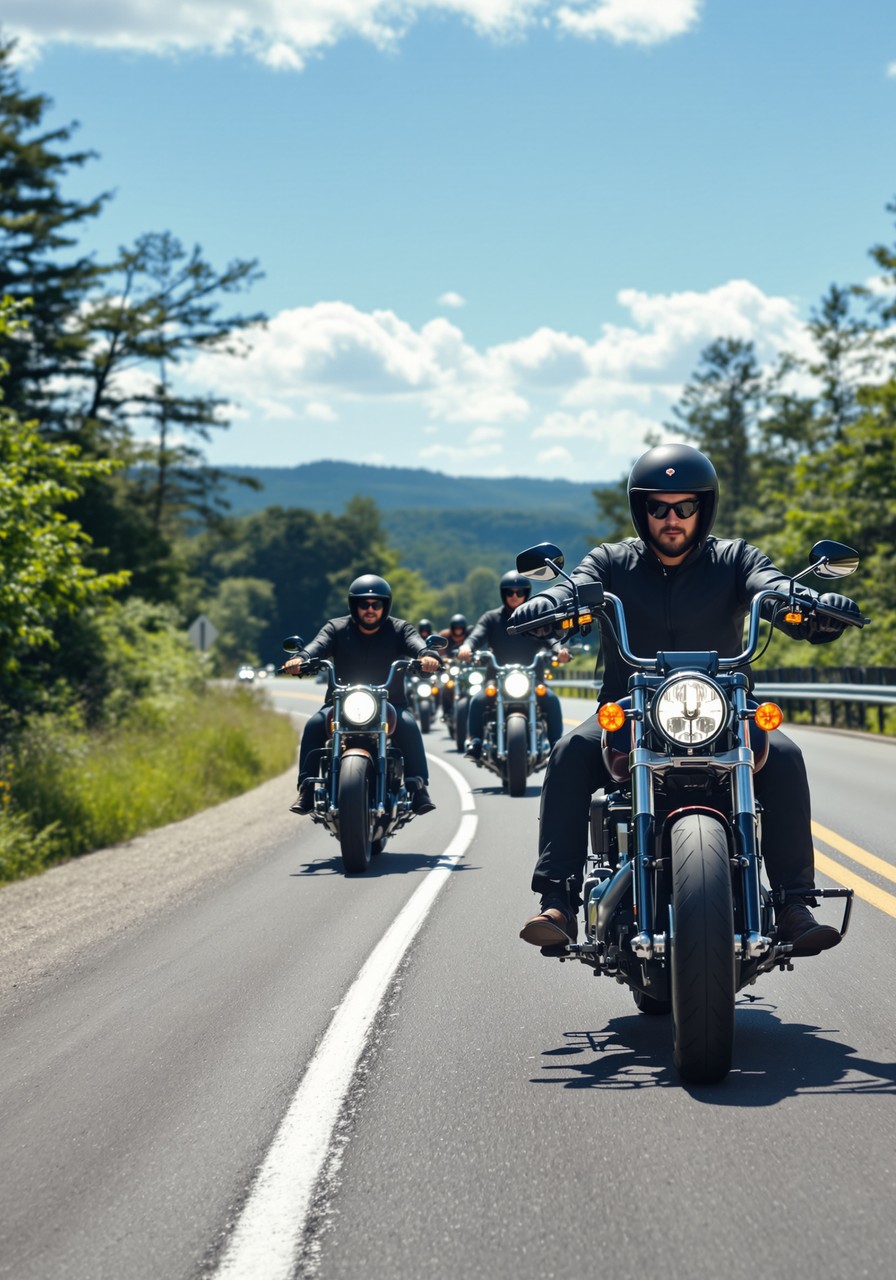
The Saw Mill is tight, old, and unforgiving. Short ramps and stone walls, so treat it with respect and keep your speed honest. #RideNationNY #Westchester #NYRiders
Gear & New Iron
Brake fluid absorbs water over time and gets mushy at the lever. If you can't remember the last flush, it's overdue. #RideNationNY #MotorcycleMaintenance #RiderTips
Safety & NY Law
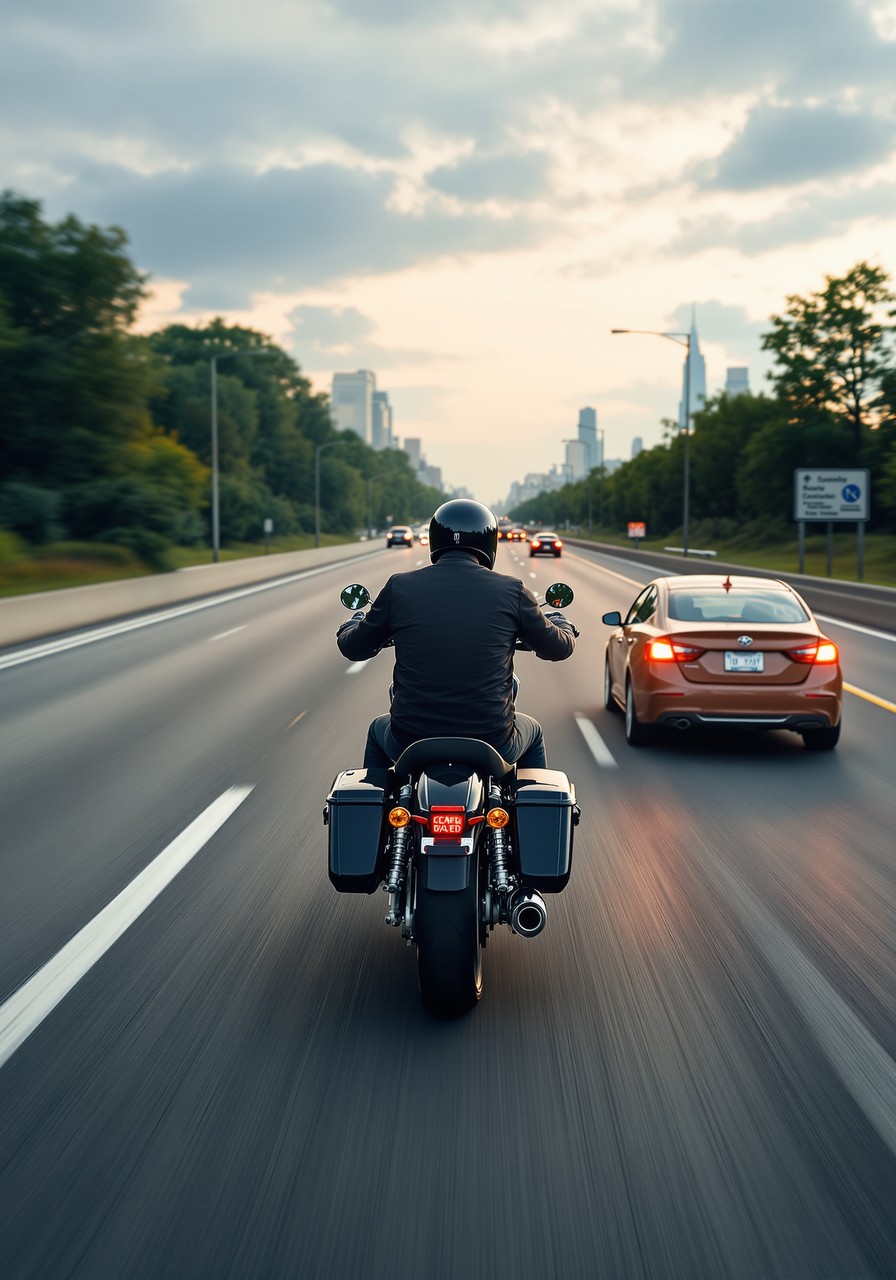
One more time because it matters: NY no-fault does not pay a motorcyclist's own medical bills. Strong health coverage plus SUM is how you fill that hole. Questions? O'Connor Law, free to talk. 914-595-4502. #RideNationNY #NewYorkLaw #UninsuredMotorist
Engagement
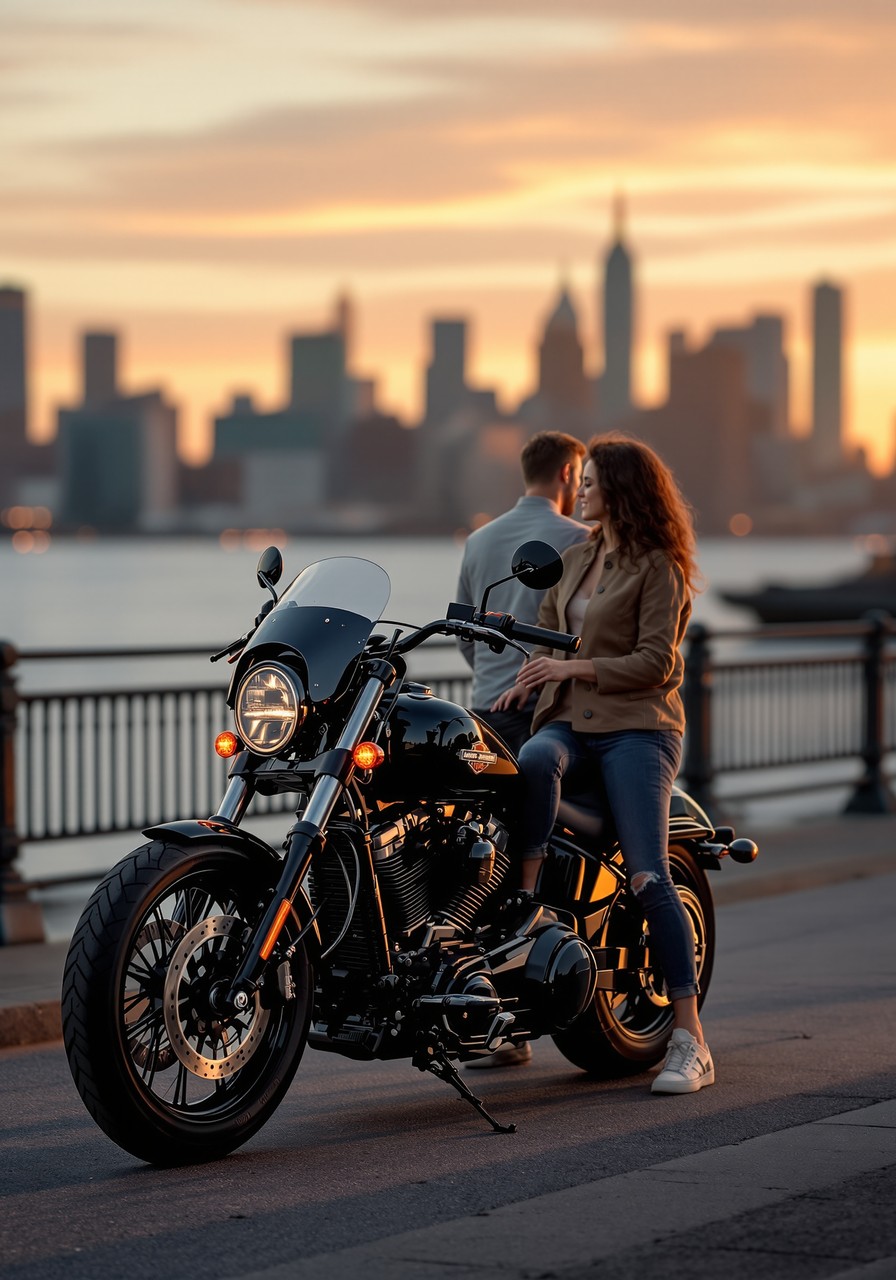
Tag the friend who still owes you a ride this year. Gentle reminder. #RideNationNY #RideOrDie #TwoWheels
Giveaway & Countdown
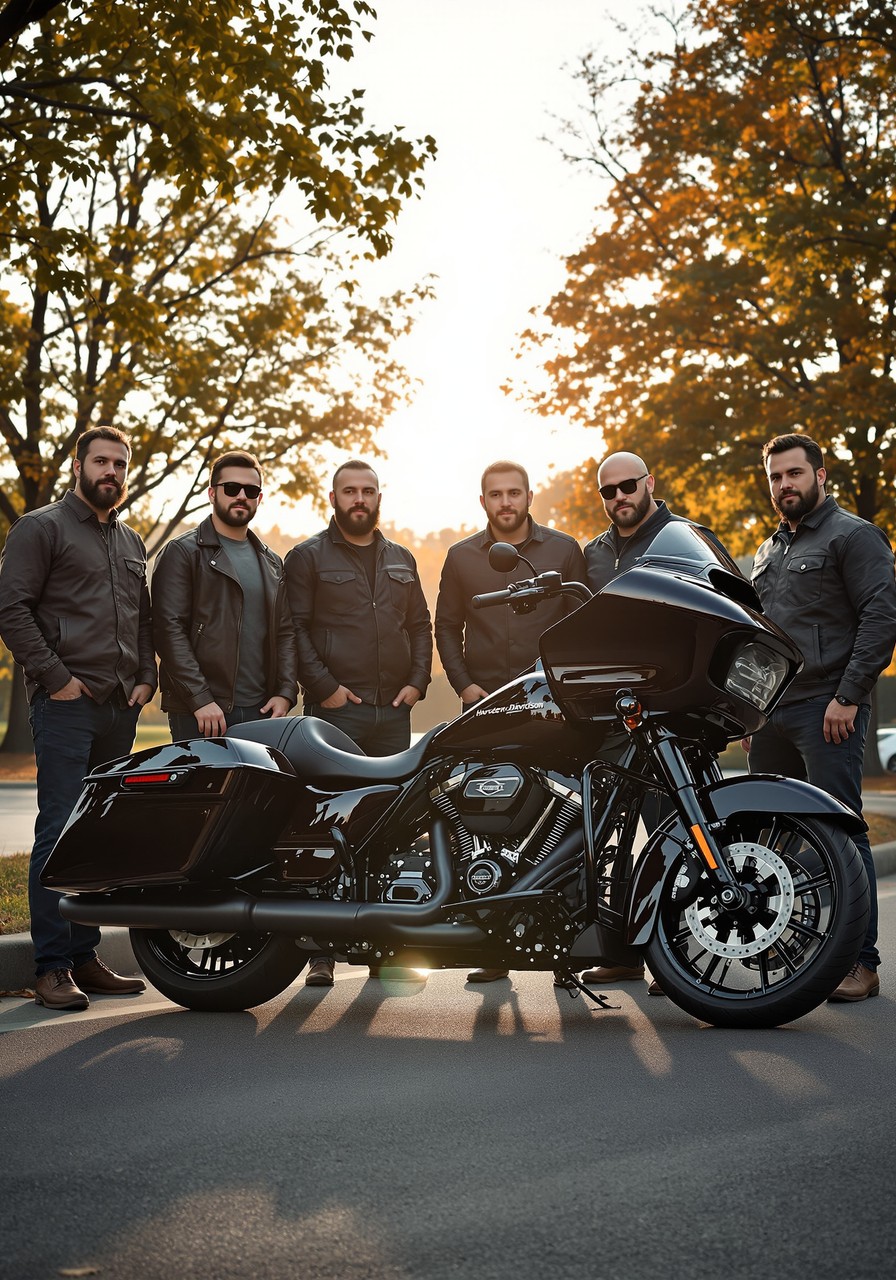
Final countdown, Ride Nation NY. Tomorrow the BikersWin winner takes $20,000. Get your entry in tonight, link in comments. #RideNationNY #20kGiveaway #BikersWin
Local NY & Rides
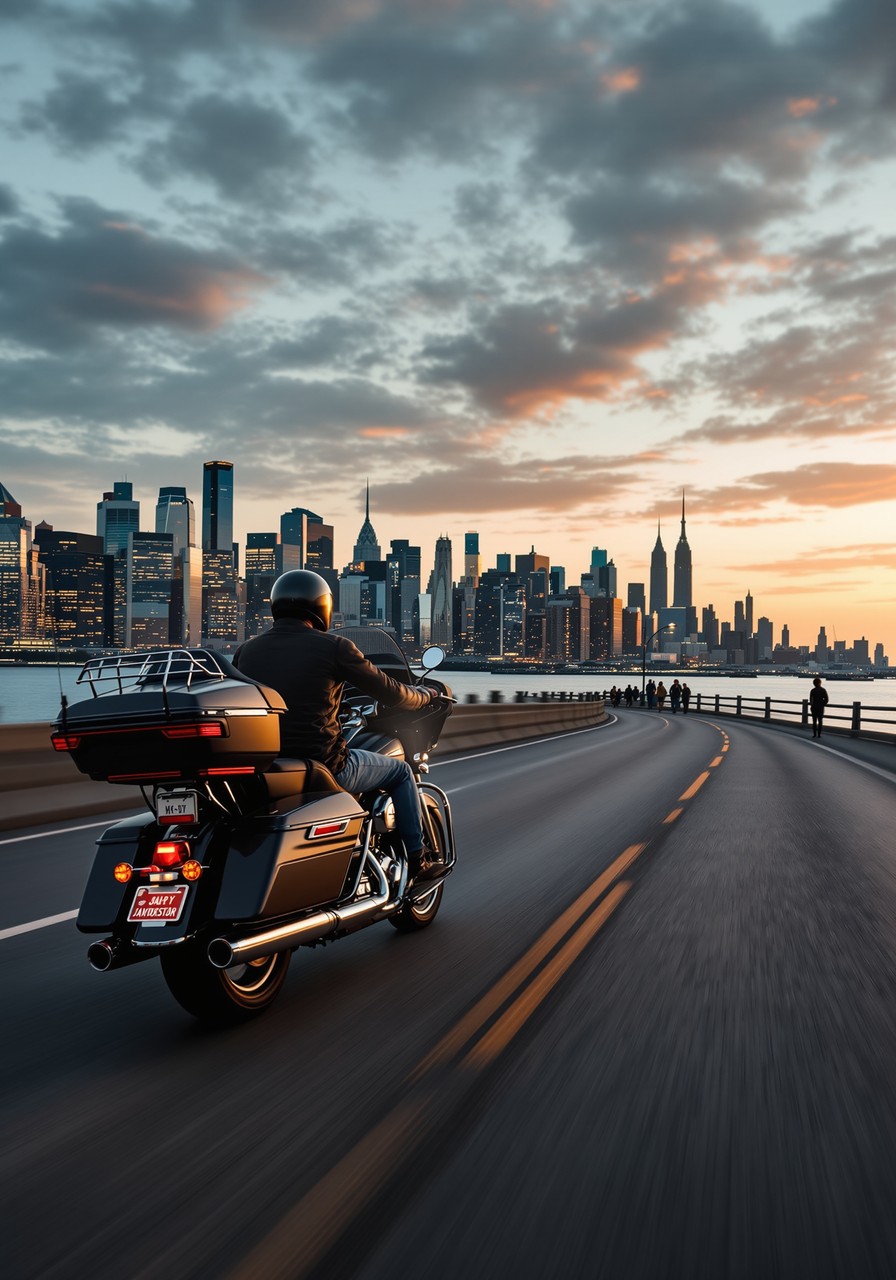
The Hutch has charm and cracks in equal measure. Lovely under the trees until a frost heave finds you, so keep your eyes down the road. #RideNationNY #Westchester #NYRiders
Gear & New Iron
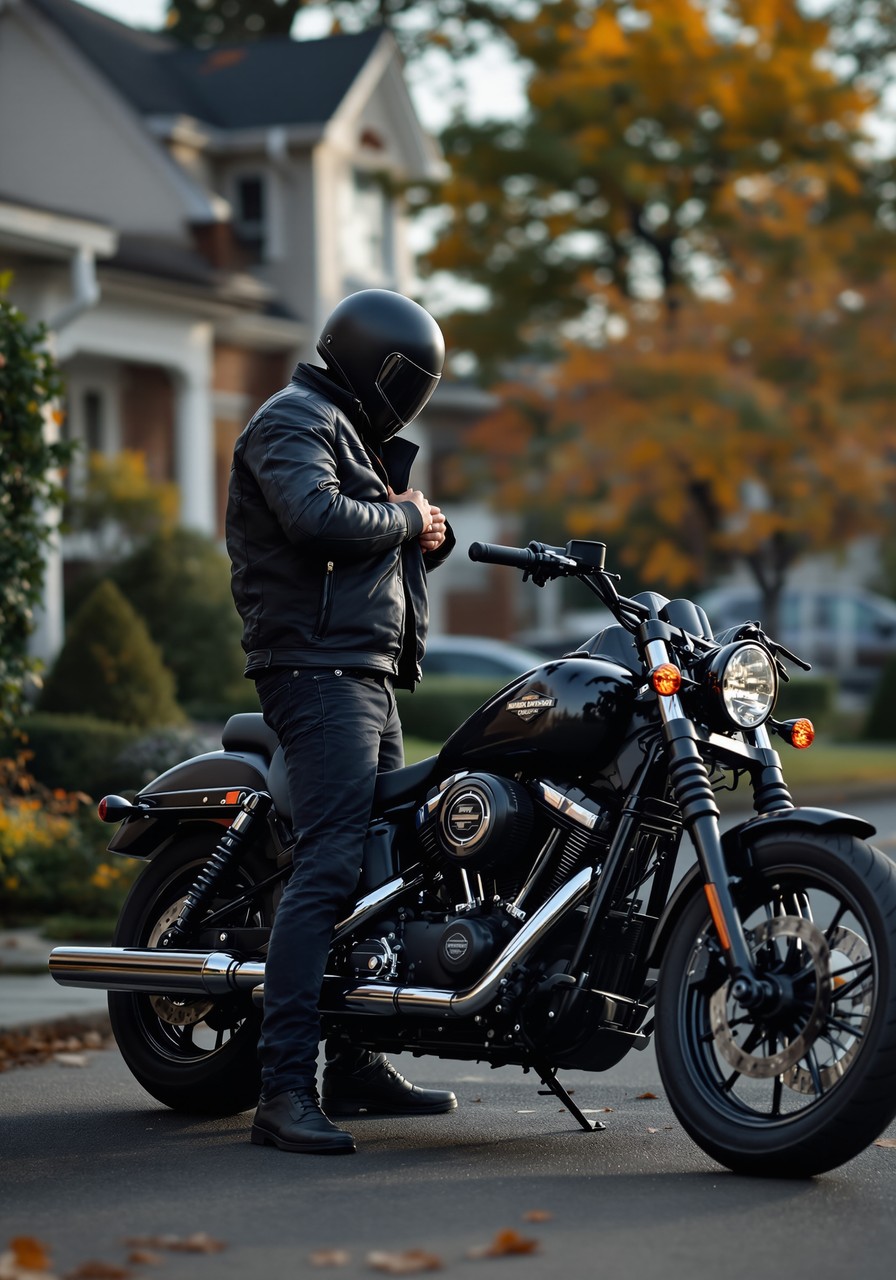
Squeeze the front lever before every ride. Firm and consistent is good, spongy or sinking means air or old fluid you need to sort out. #RideNationNY #MotorcycleMaintenance #RiderTips
Safety & NY Law
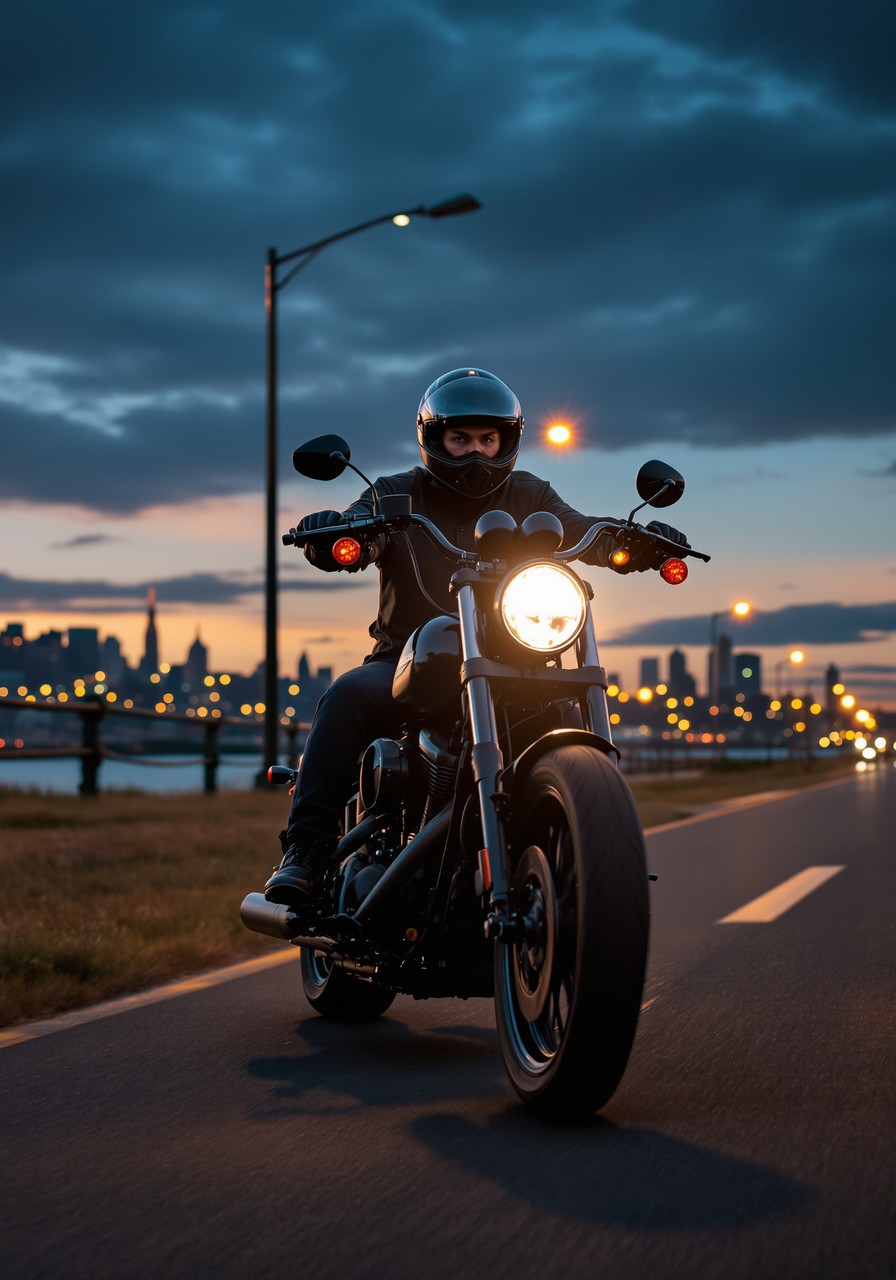
SUM coverage stacks on top when the at-fault driver's tiny 25/50/10 limit is not enough. In a bad metro crash, that difference is everything. Not sure you have it? Mary Ellen O'Connor and O'Connor Law, 914-595-4502. #RideNationNY #UninsuredMotorist #NYRiders
Engagement
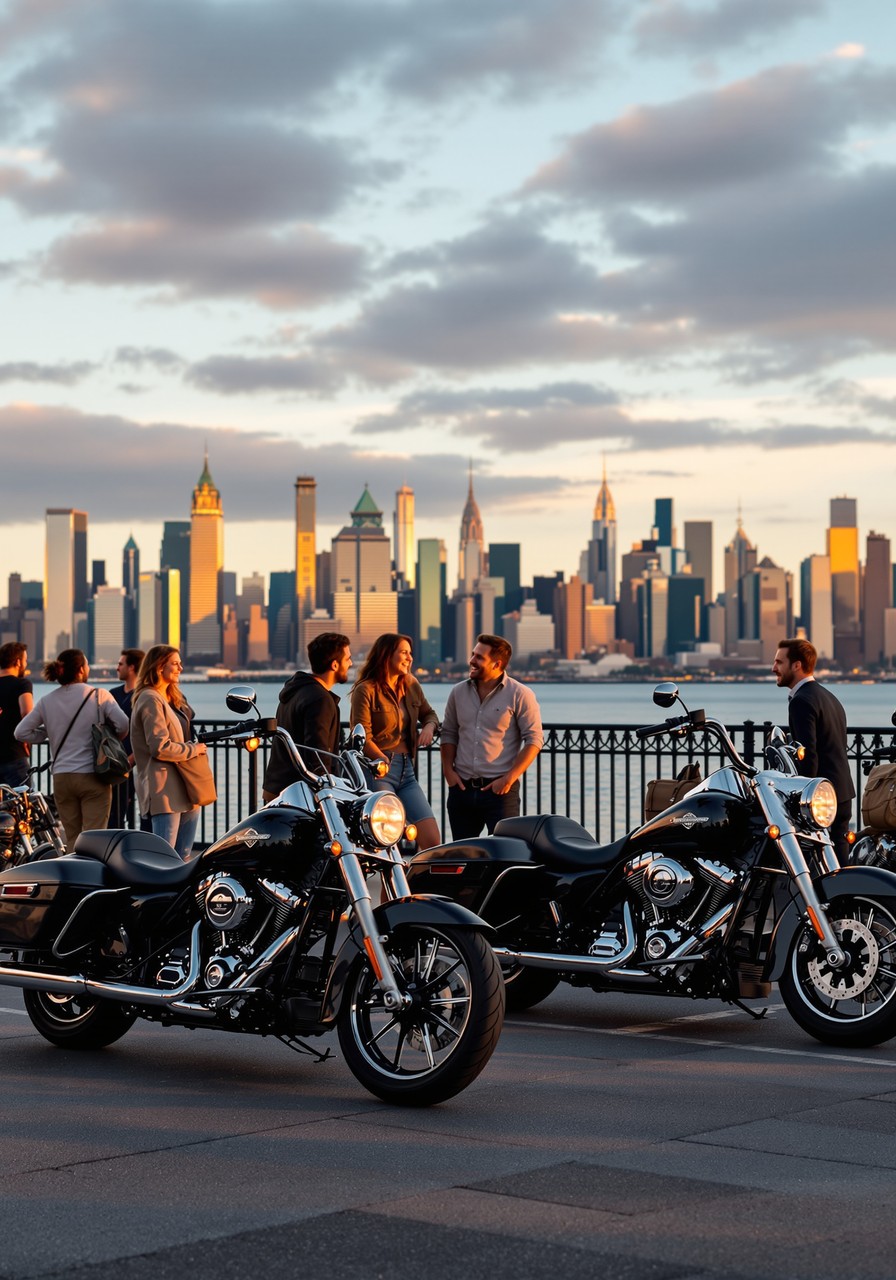
Caption this: helmet fogging, hands numb, grinning anyway. #RideNationNY #NYRiders #BikerLife
Giveaway & Countdown
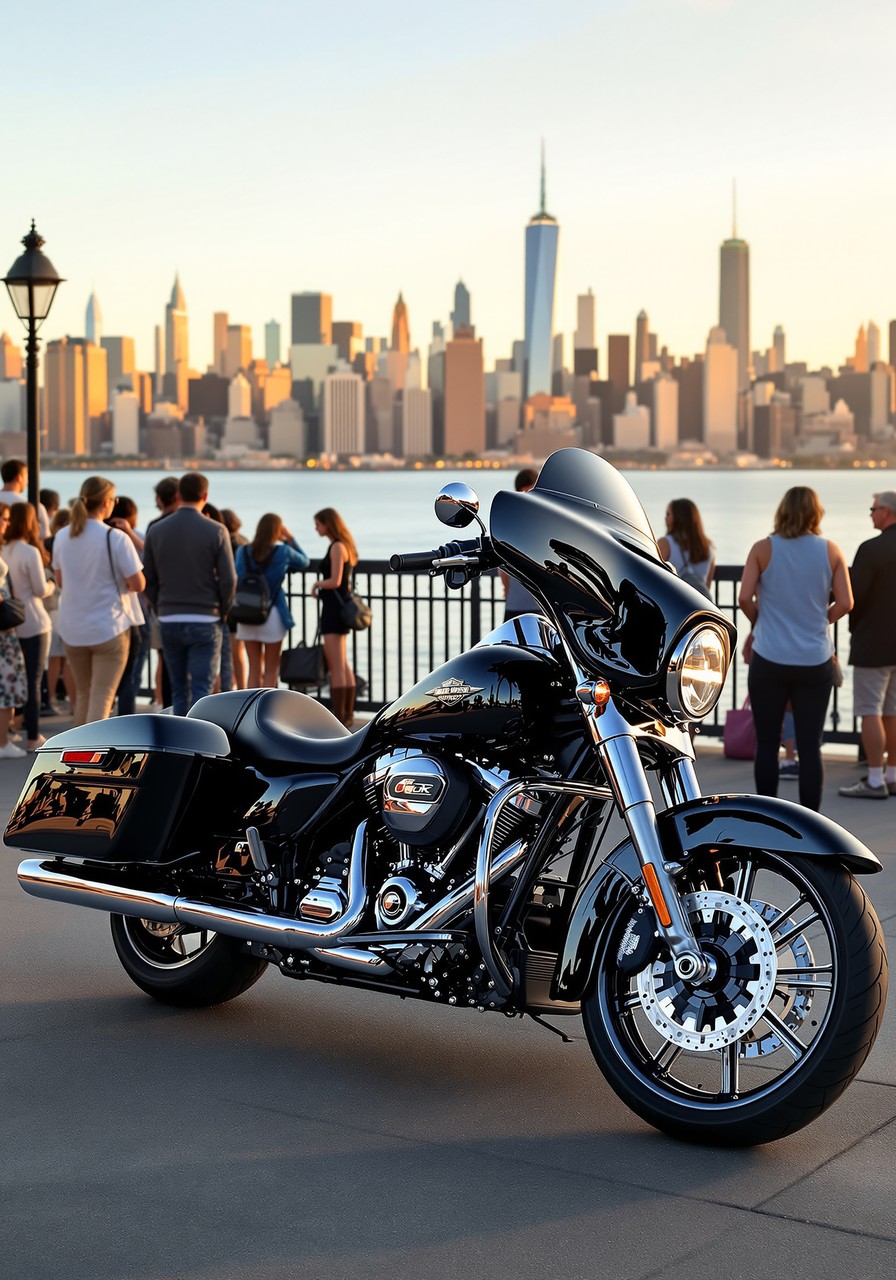
Today is the day. The $20,000 BikersWin winner gets drawn December 10 and last entries are going in now. Link in comments. #RideNationNY #WinABike #NYRiders
Local NY & Rides
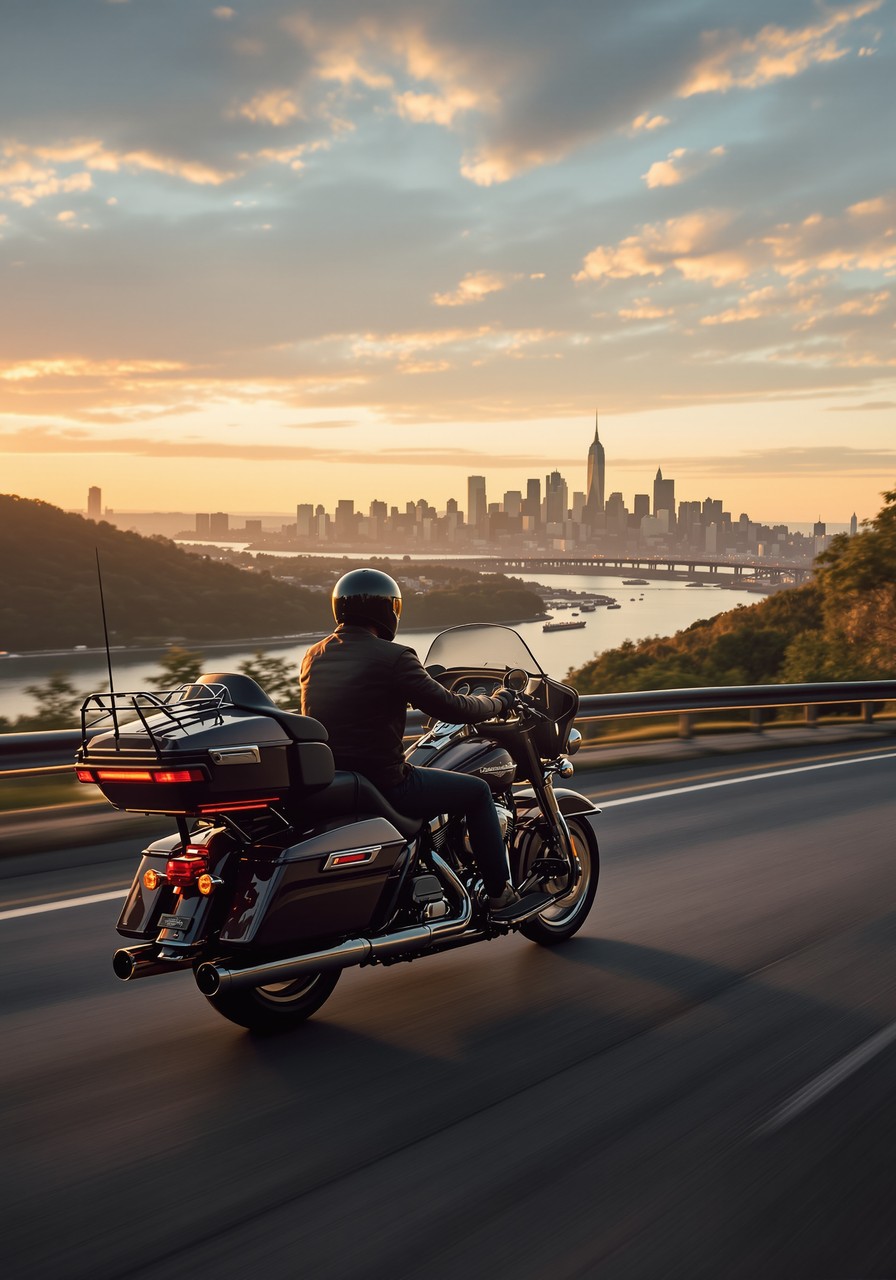
The LIE is a slog until it opens up east. Once you are past the cones, Long Island rewards patience with room to breathe. #RideNationNY #LongIsland #NYRiders
Gear & New Iron
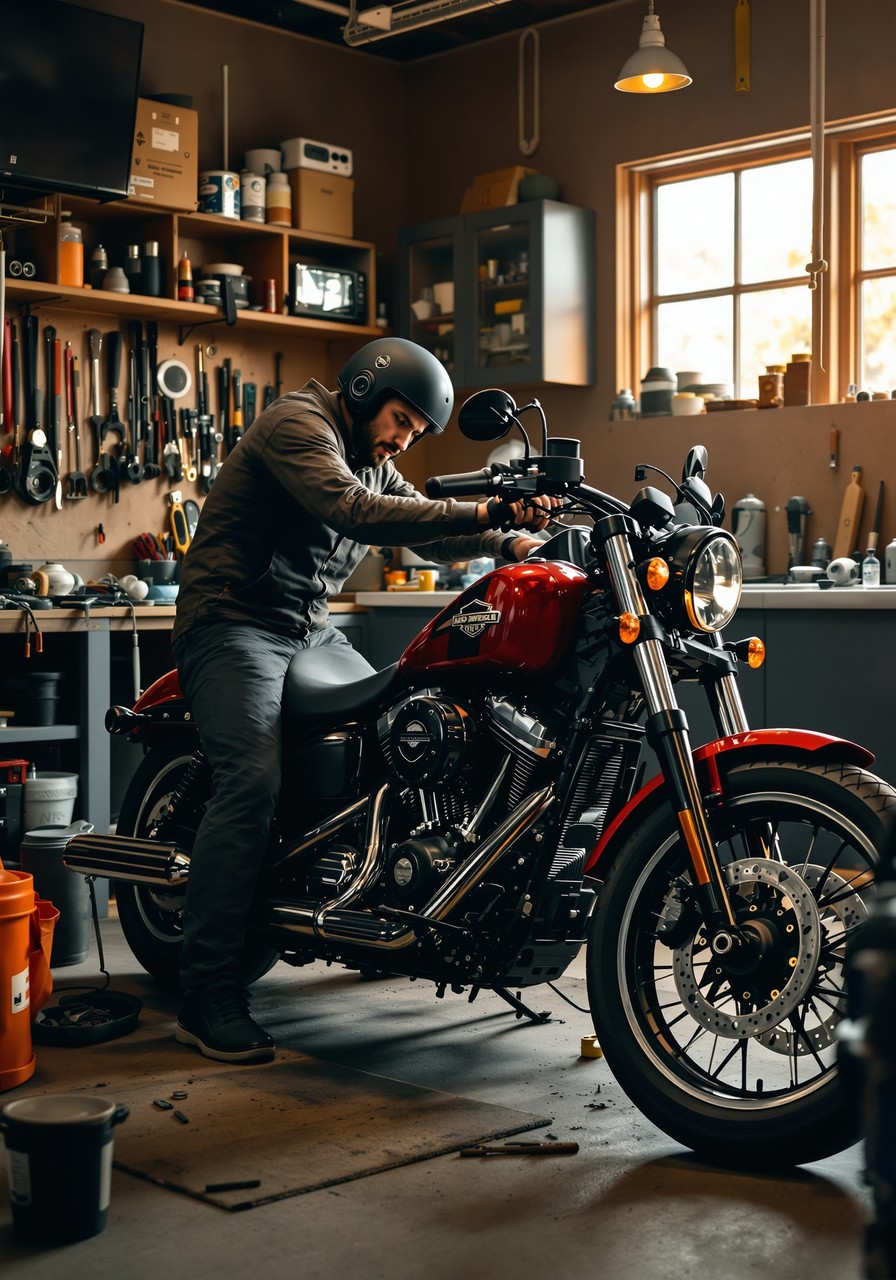
Chain care is 5 minutes that saves a driveline. Clean it, lube it, and set the slack to spec, especially before a cold ride when everything stiffens up. #RideNationNY #MotorcycleMaintenance #RiderTips
Safety & NY Law
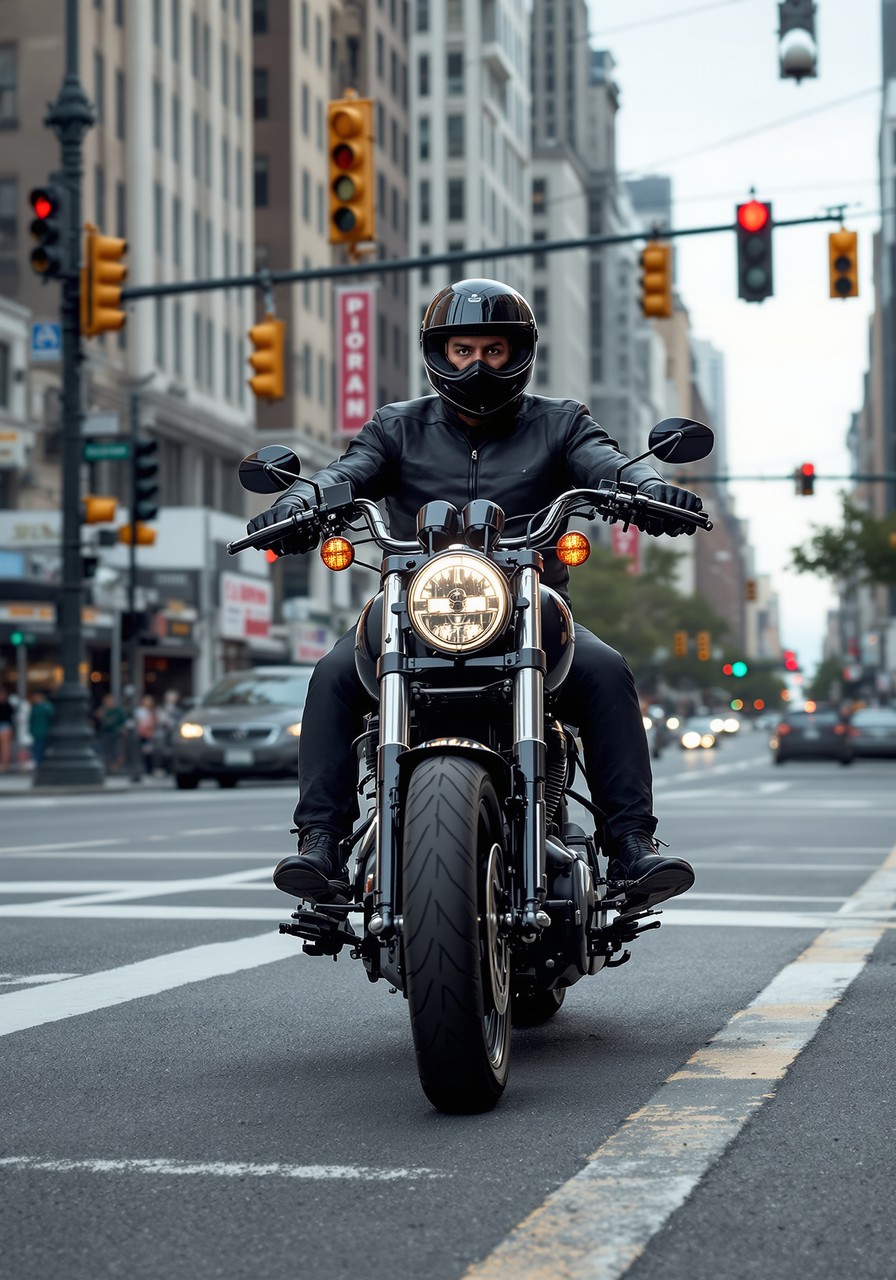
In New York your share of fault lowers your recovery but never wipes it out. So the details, the photos, the witnesses, still count. Talk it through with O'Connor Law, no cost. 914-595-4502. #RideNationNY #KnowYourRights #NewYorkLaw
Engagement
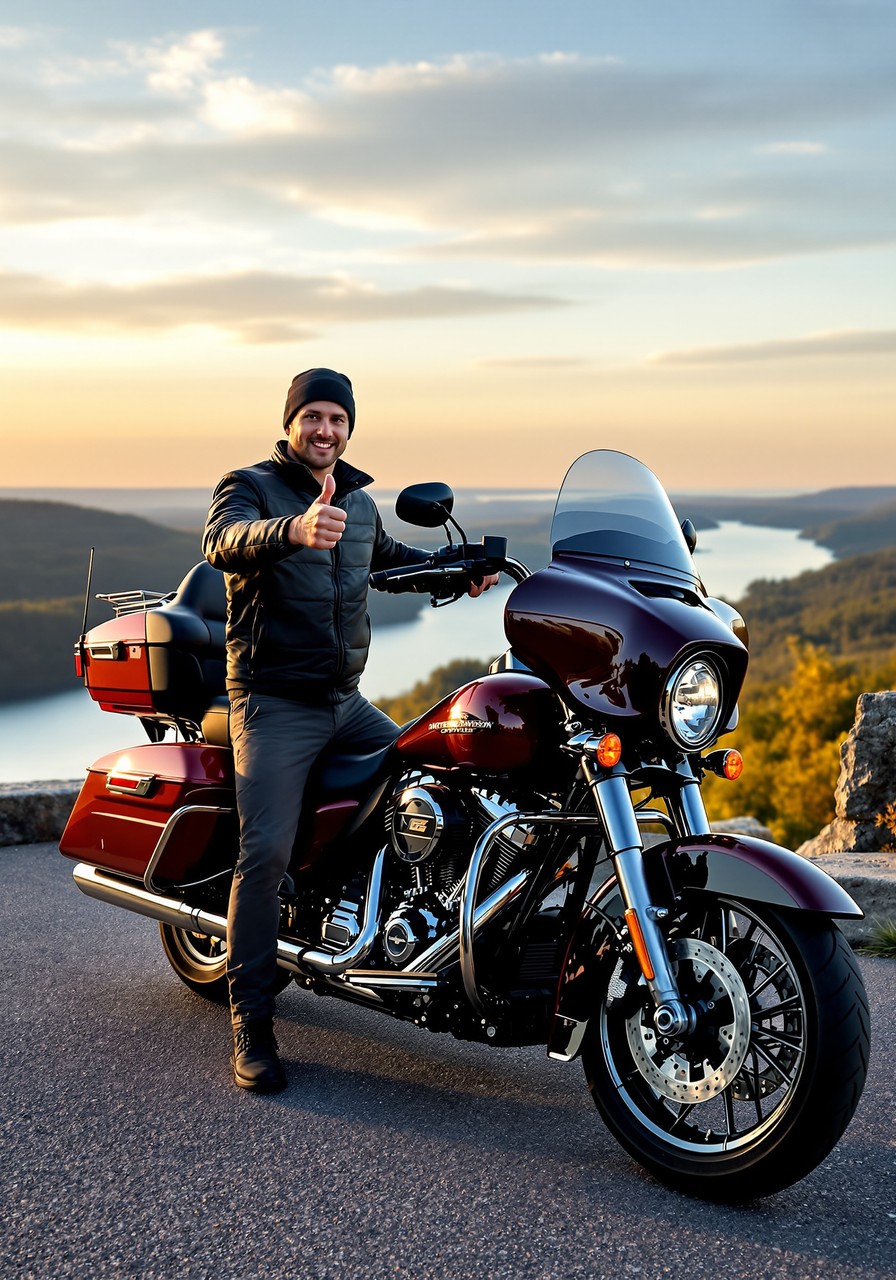
Poll: gear up head to toe or "it is a short ride" energy? #RideNationNY #TwoWheels #NYRiders
Giveaway & Countdown
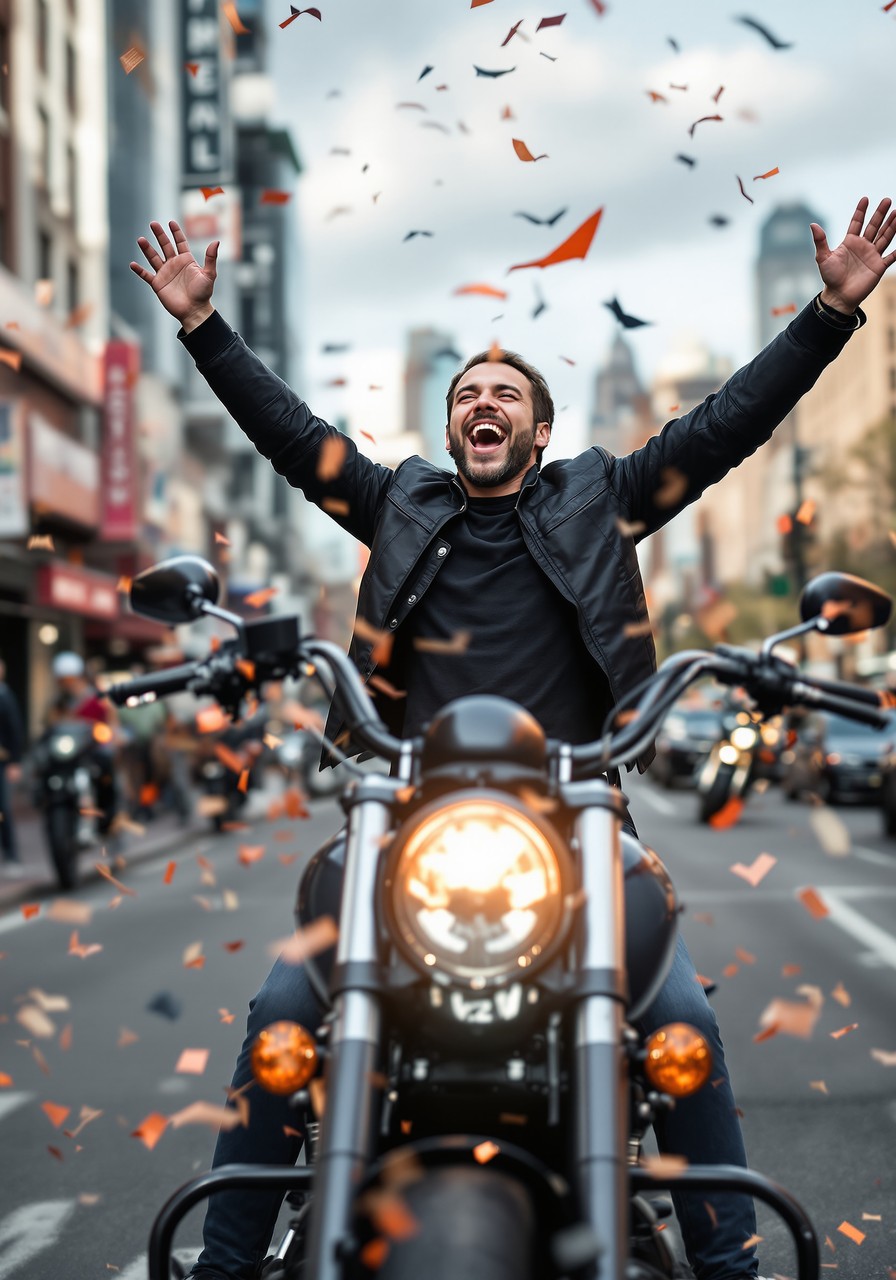
Winner drawn. Huge congrats to the rider taking home $20,000 from the BikersWin giveaway. Did not get it this time? Stay tuned, the next one is coming. #RideNationNY #MotorcycleGiveaway #BikersWin
Local NY & Rides
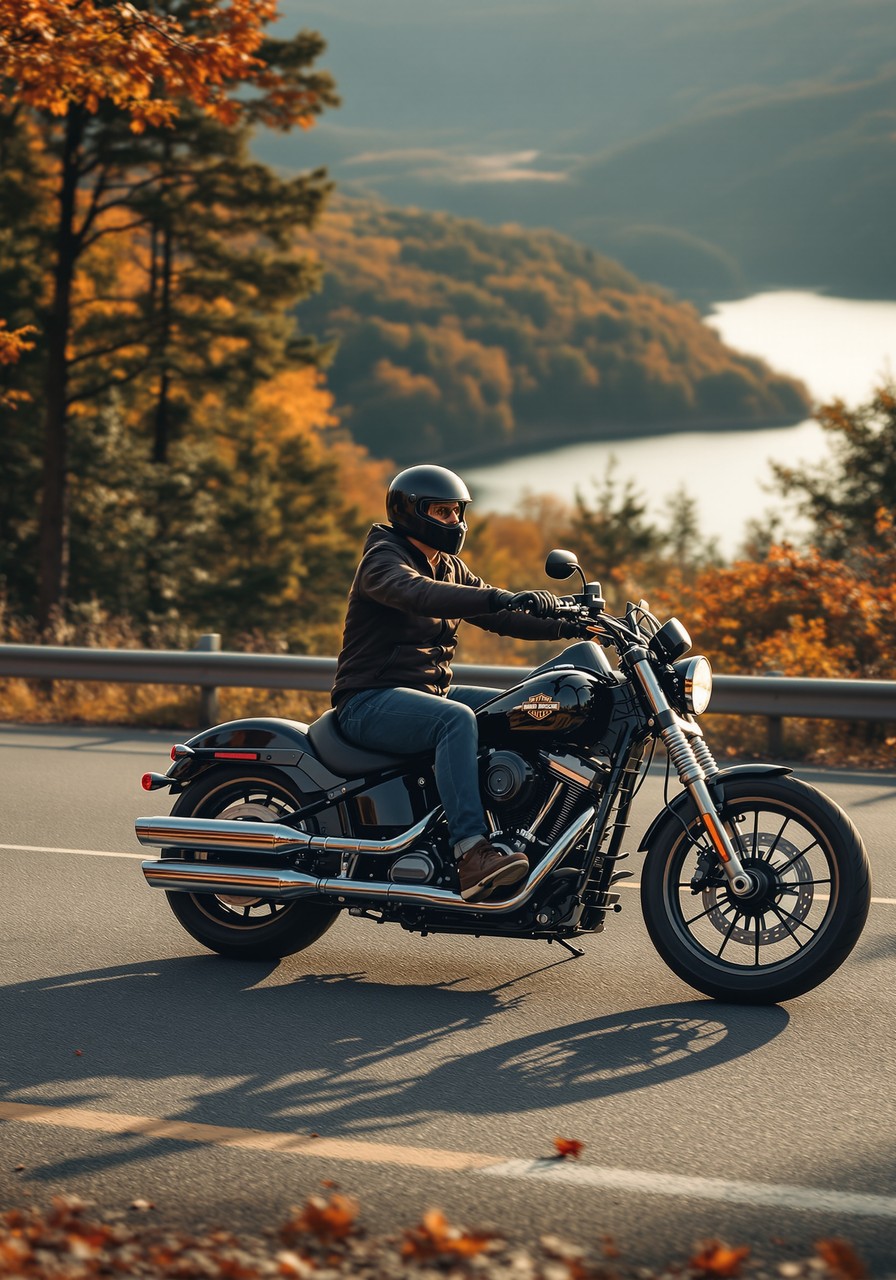
Long Island run: point it east, chase the shoreline, and let the traffic thin out mile by mile. Best after the summer crowds go home. #RideNationNY #LongIsland #MotorcycleRoads
Gear & New Iron
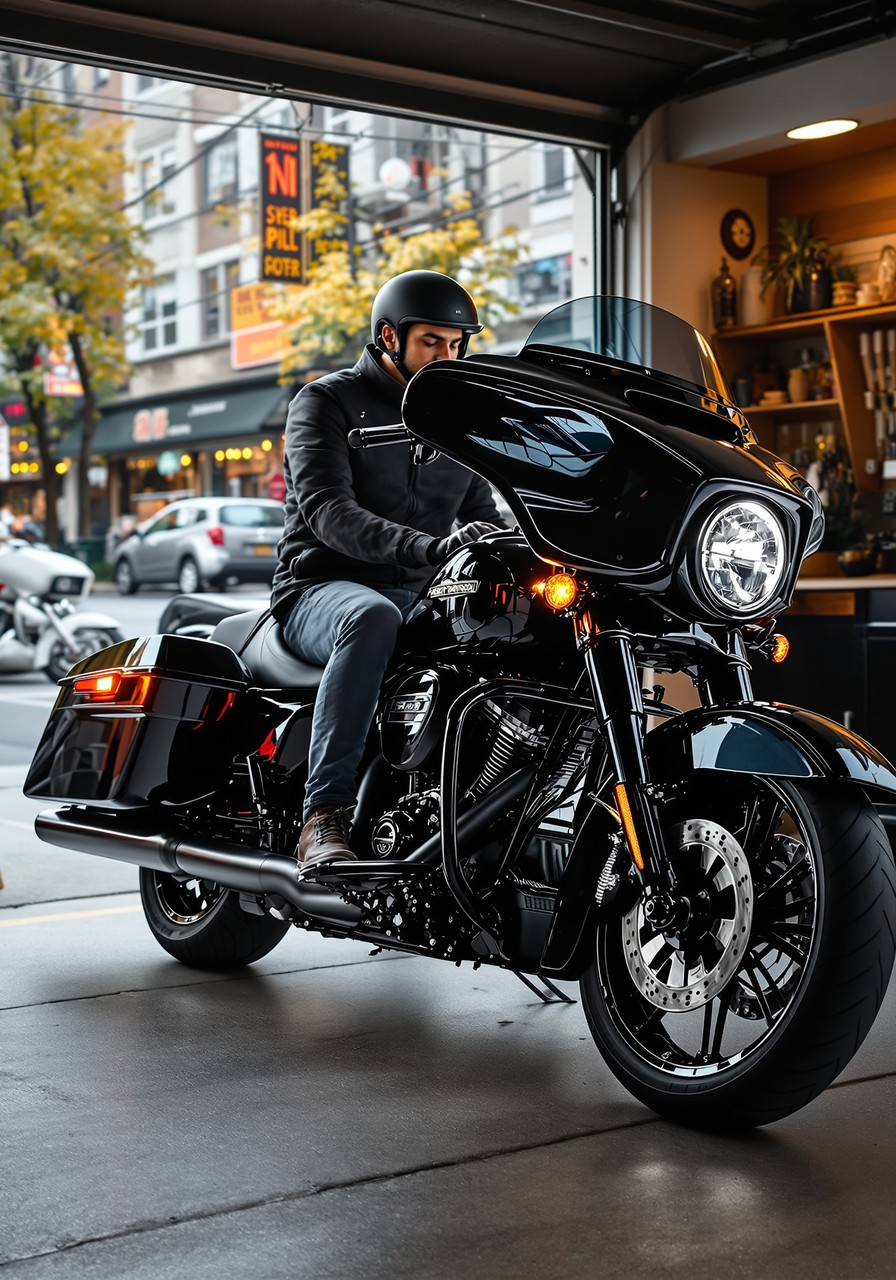
A dry, rusty chain robs power and wears sprockets fast. Warm it with a short ride, then lube it so the oil actually works into the links. #RideNationNY #MotorcycleMaintenance #BikerLife
Safety & NY Law
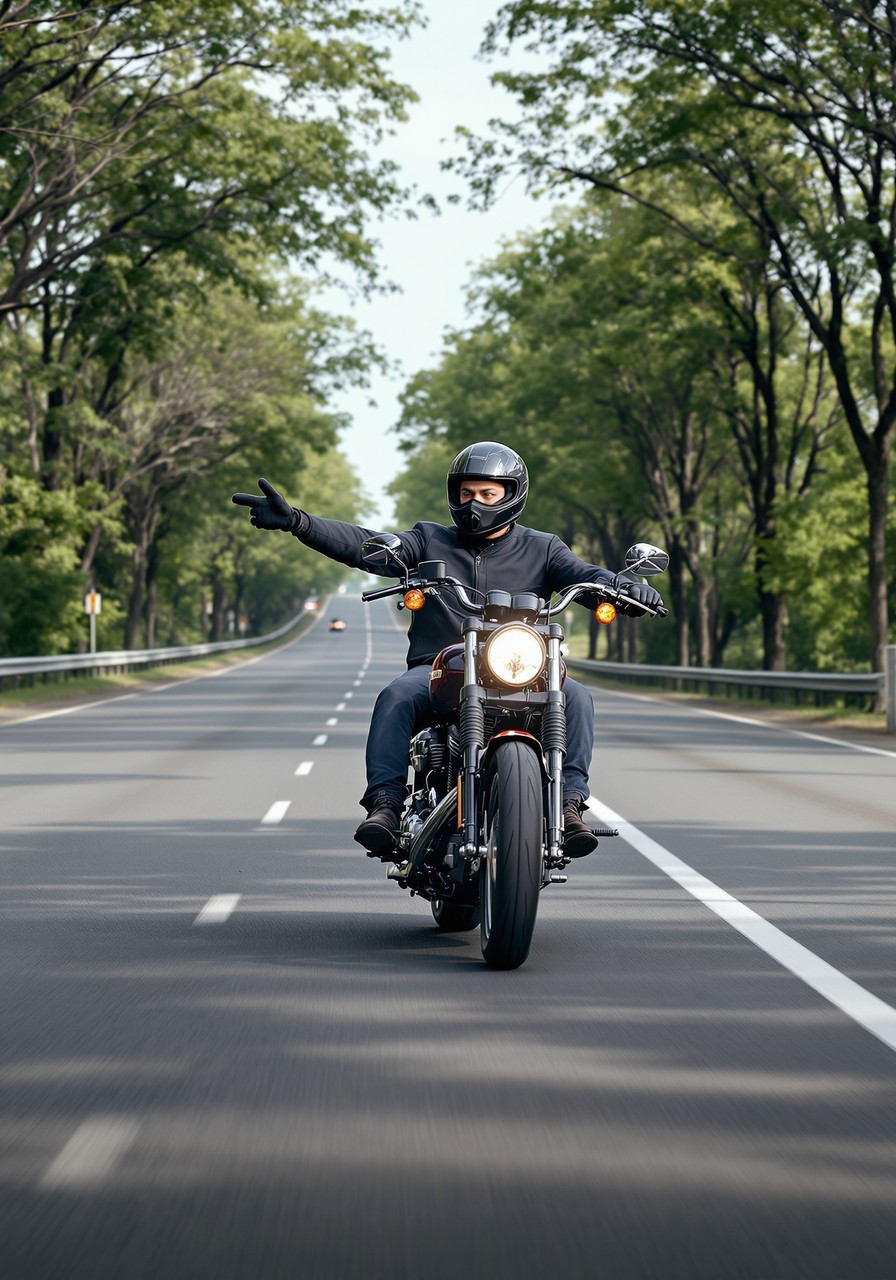
That DOT sticker is not a suggestion in New York, it is the law for every rider and passenger. It also protects your claim later. Hurt in a crash? Mary Ellen O'Connor, O'Connor Law, 914-595-4502. #RideNationNY #MotorcycleSafety #ATGATT
Engagement
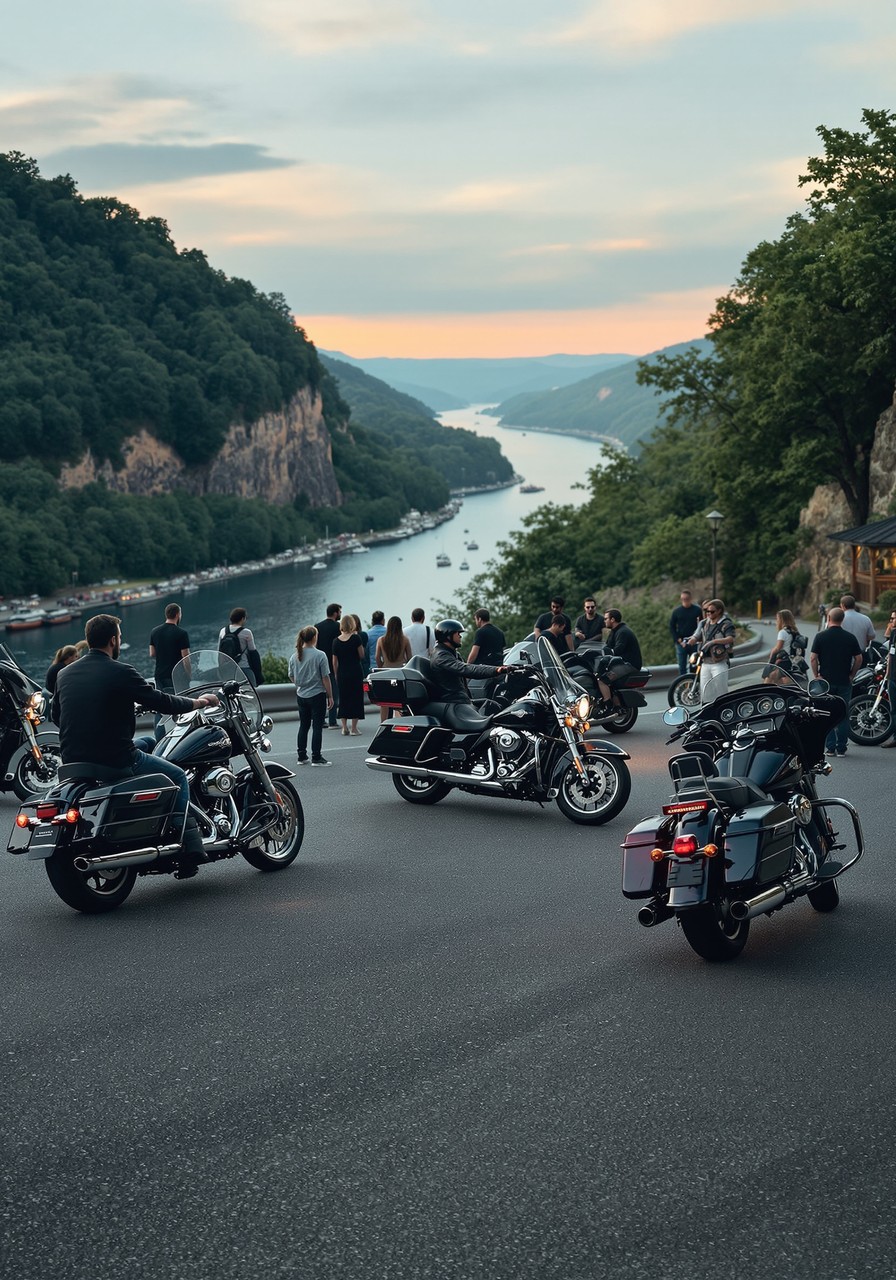
Drop the mileage on your ride. Round number, no shame. #RideNationNY #BikerLife #NYCMotorcycles
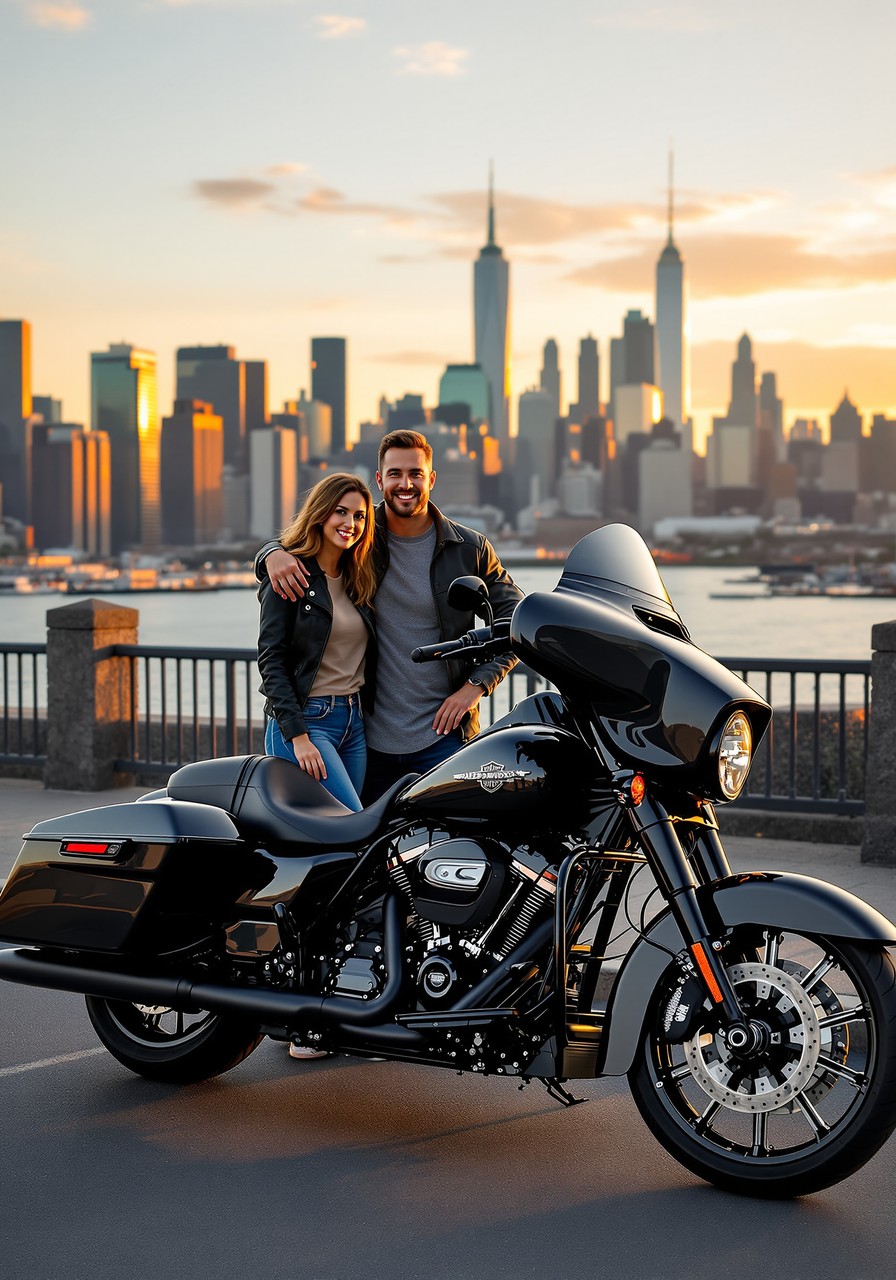
Giveaway & Countdown
That is a wrap on the $20,000 draw. One rider is shopping for a new bike right now. Want in on the next giveaway? Keep it locked here. #RideNationNY #20kGiveaway #NYRiders
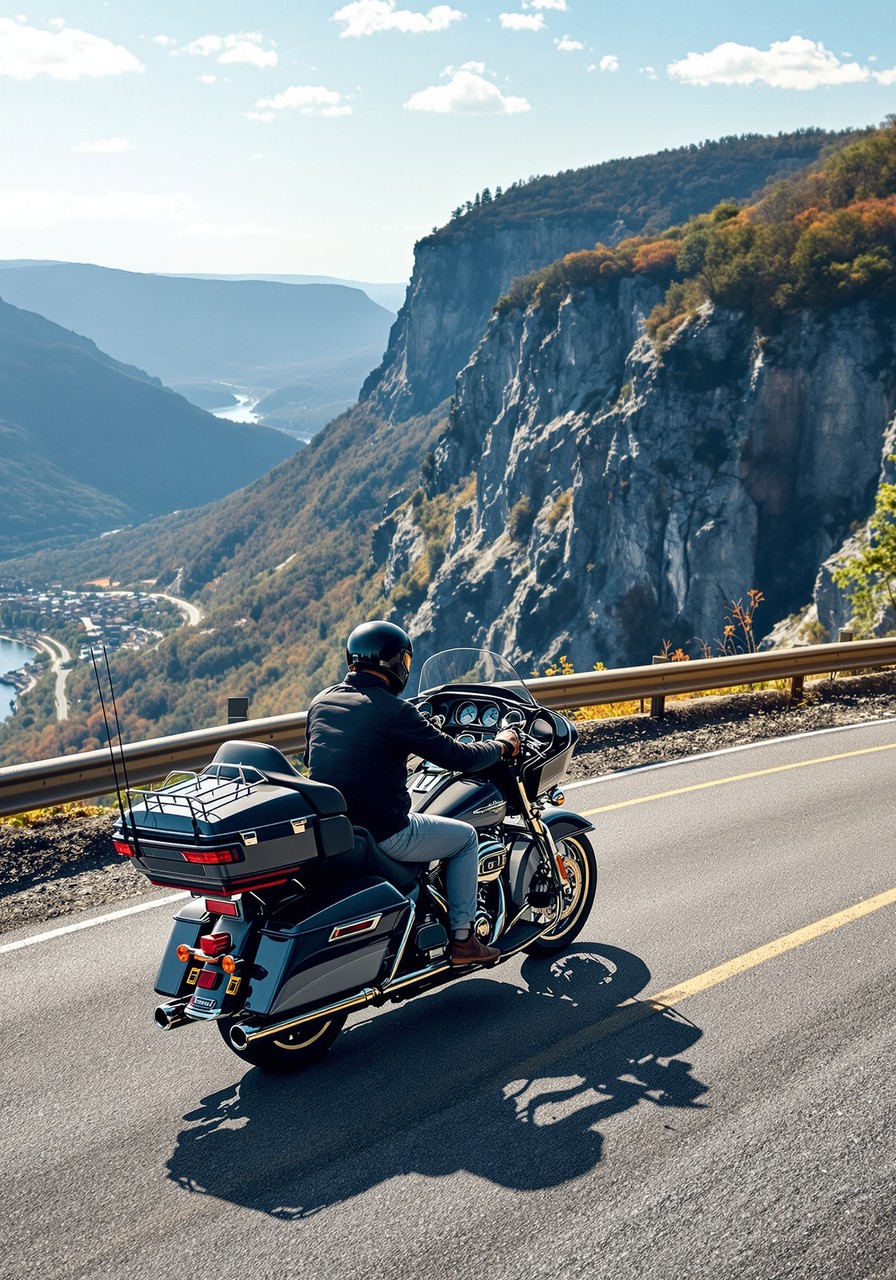
Local NY & Rides
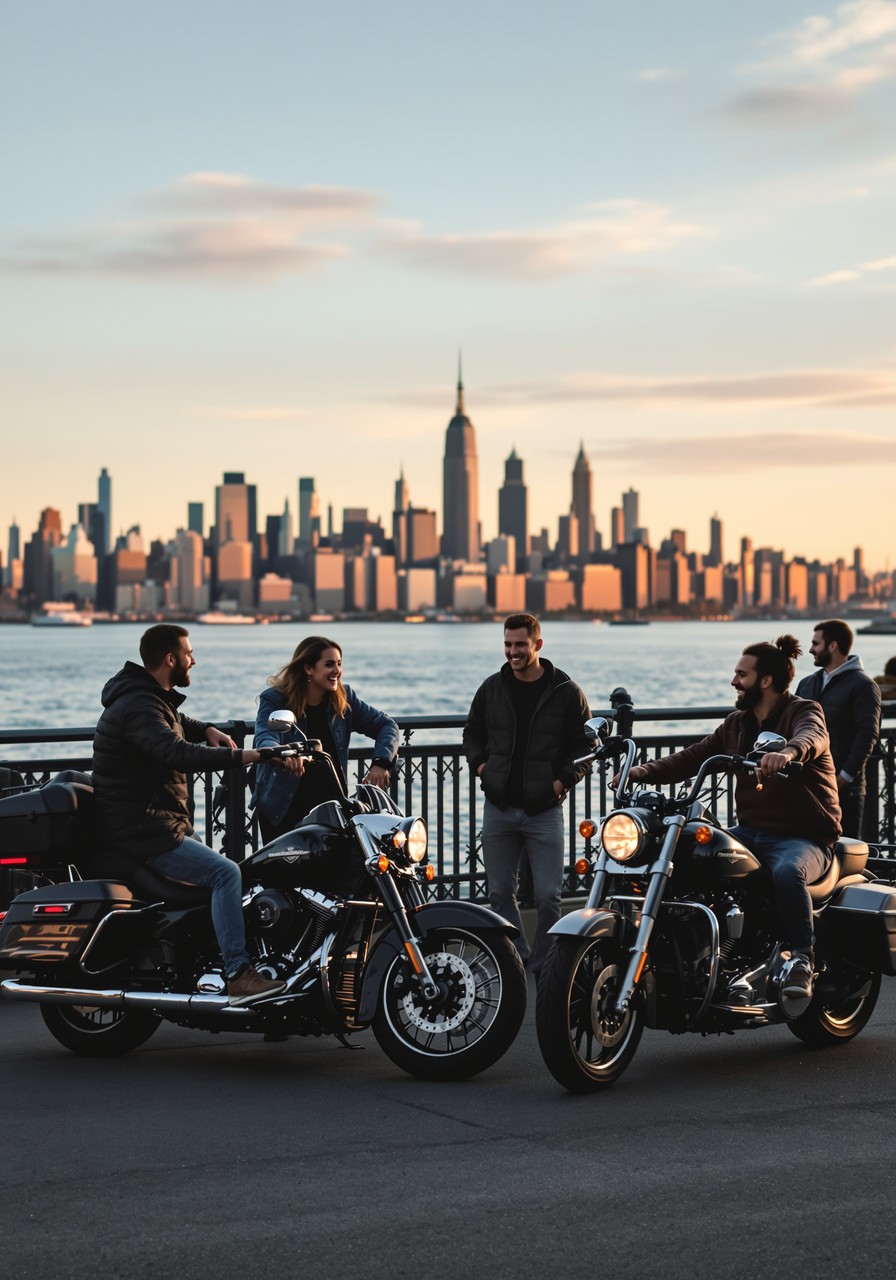
Weeknight bike night is what gets us through the shoulder season. Park up, talk shop, and roll home before the temperature drops. #RideNationNY #NYRiders #NYCMotorcycles
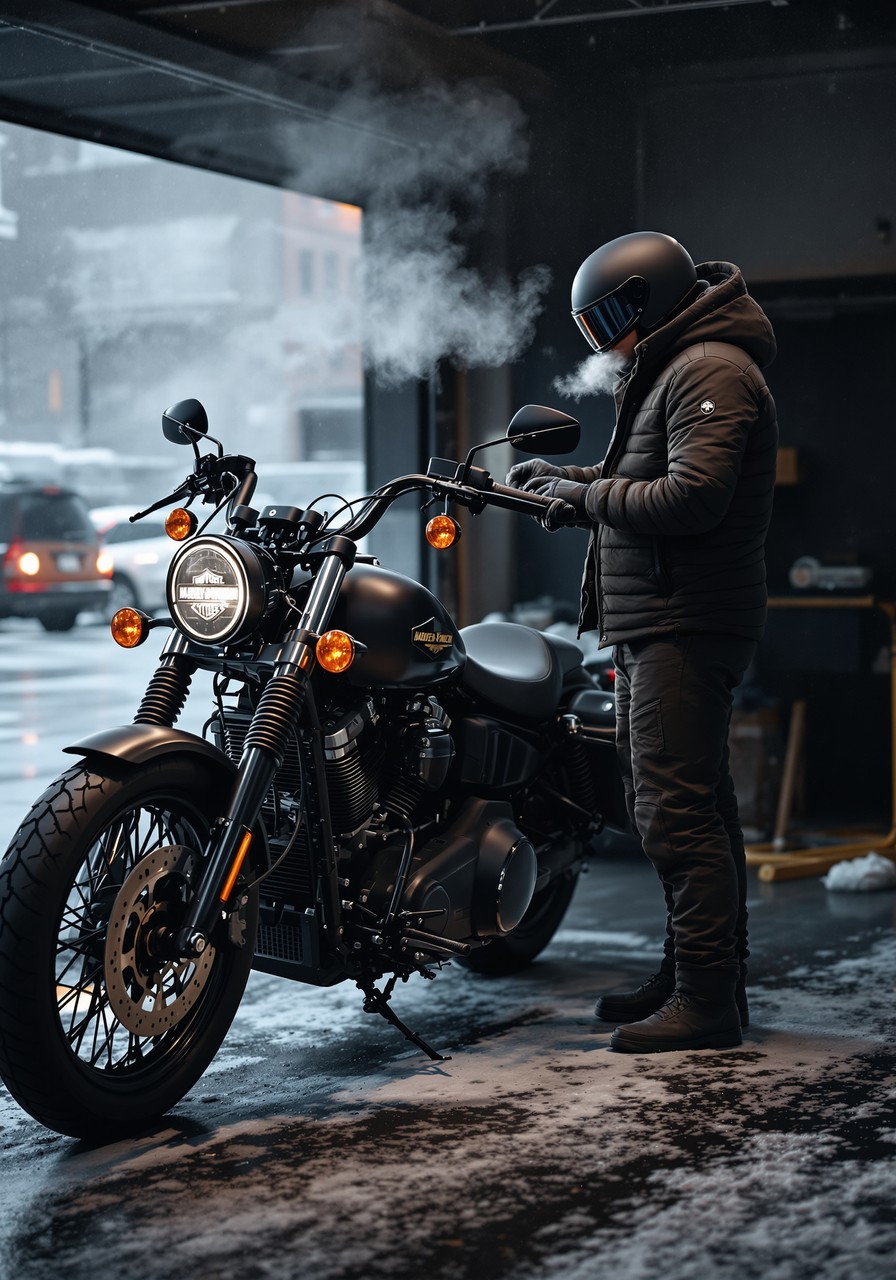
Gear & New Iron
NY roads run salt and brine all winter, and both eat metal. If you ride in it, hose the bike down afterward and hit the hidden spots. #RideNationNY #ColdWeatherRiding #MotorcycleMaintenance
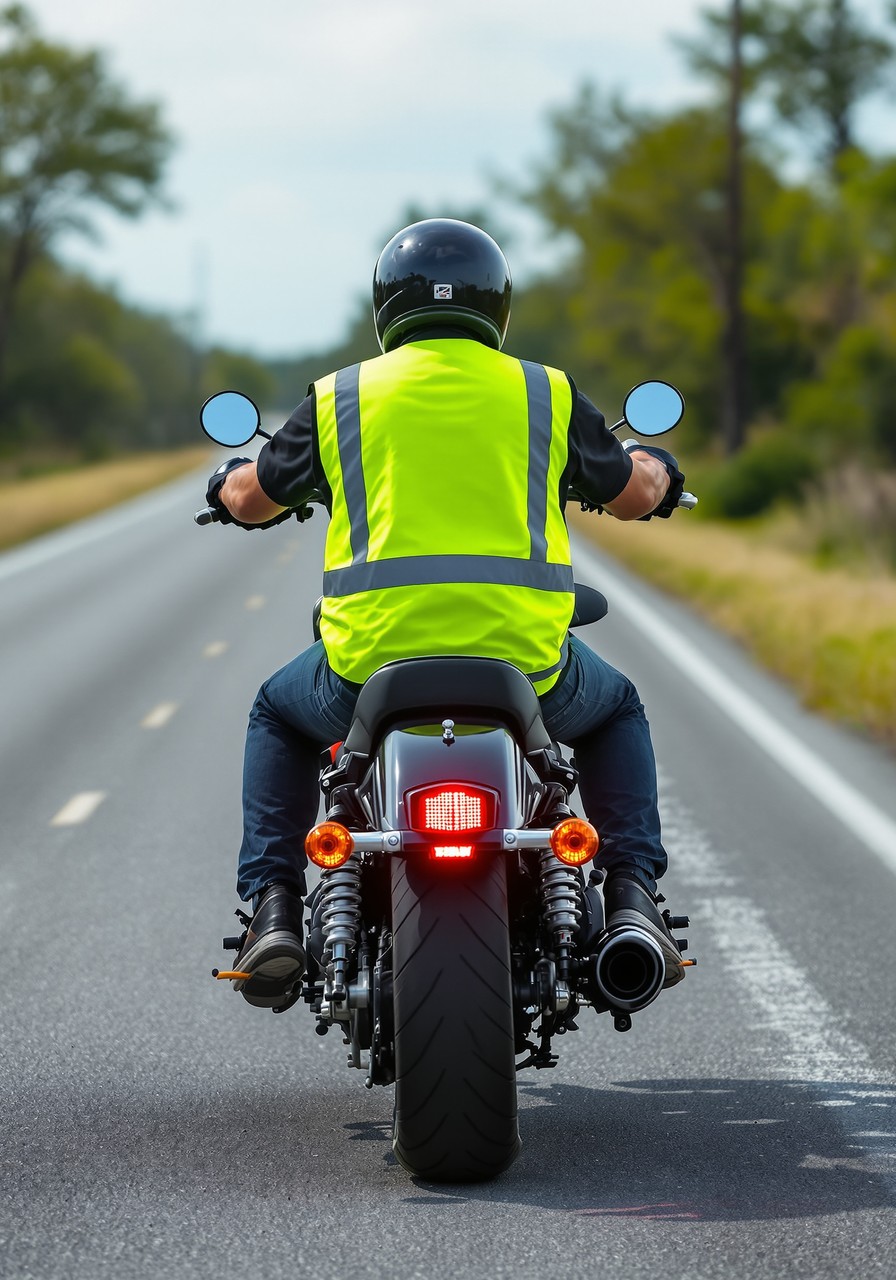
Safety & NY Law
The three-year injury deadline in NY sounds far away until it is not. Memories fade and cameras get overwritten. Get answers early. O'Connor Law, free to talk. 914-595-4502. #RideNationNY #KnowYourRights #NYRiders
Engagement
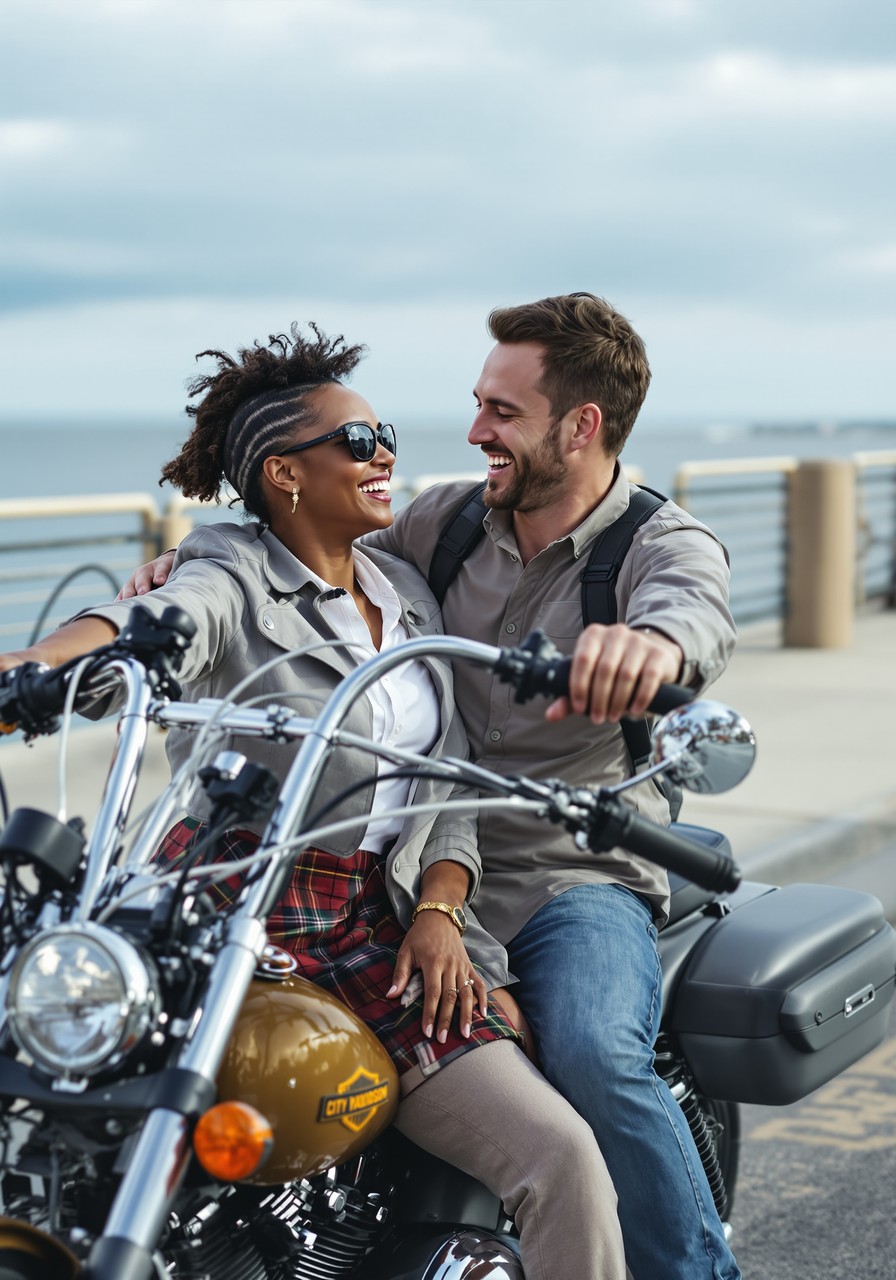
This or that: Bear Mountain in fall color or spring green. Choose. #RideNationNY #HudsonValley #TwoWheels
Giveaway & Countdown
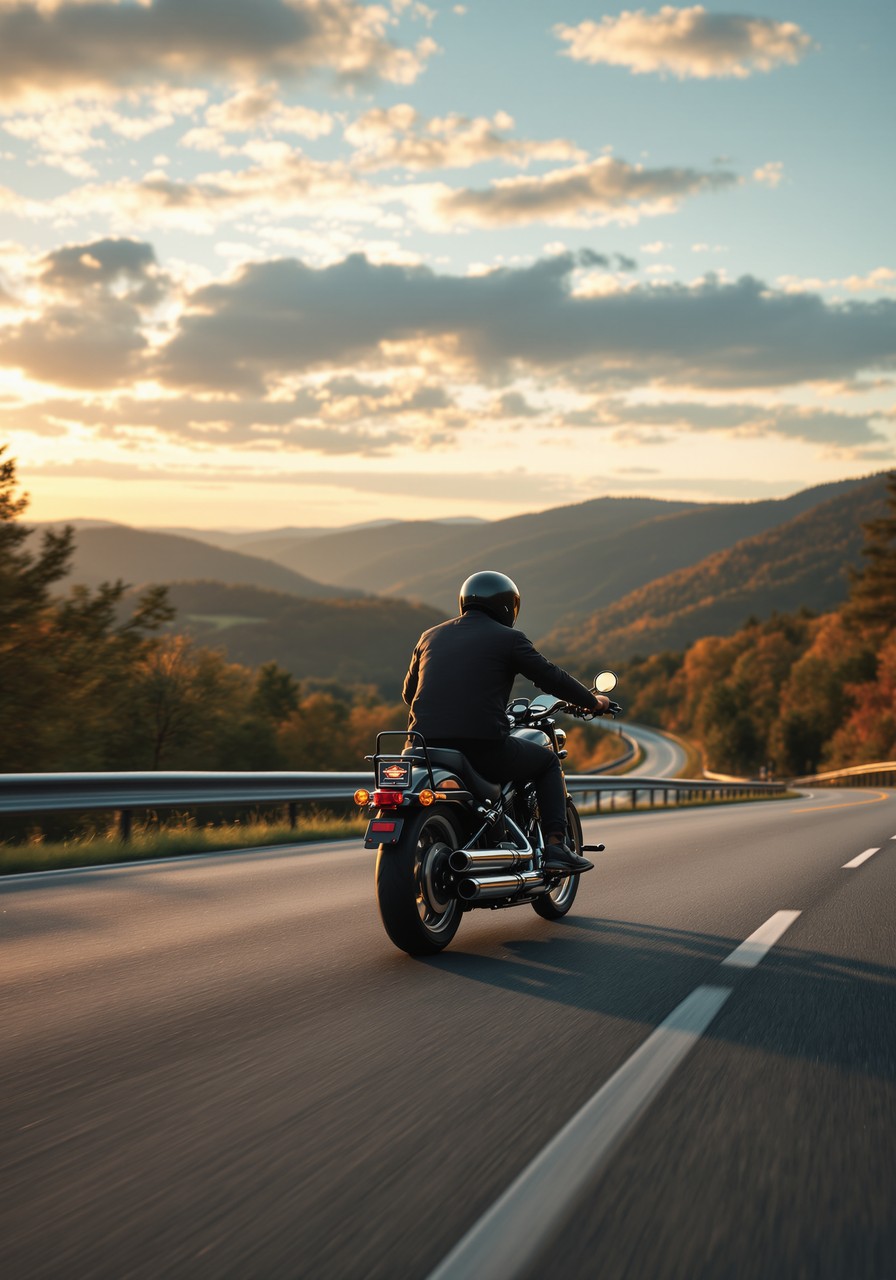
Missed this round? No stress. There is always another shot coming for Ride Nation NY. Stay entered, stay ready. Questions after a wreck? O'Connor Law, 914-595-4502. #RideNationNY #BikersWin #NYCMotorcycles
Local NY & Rides
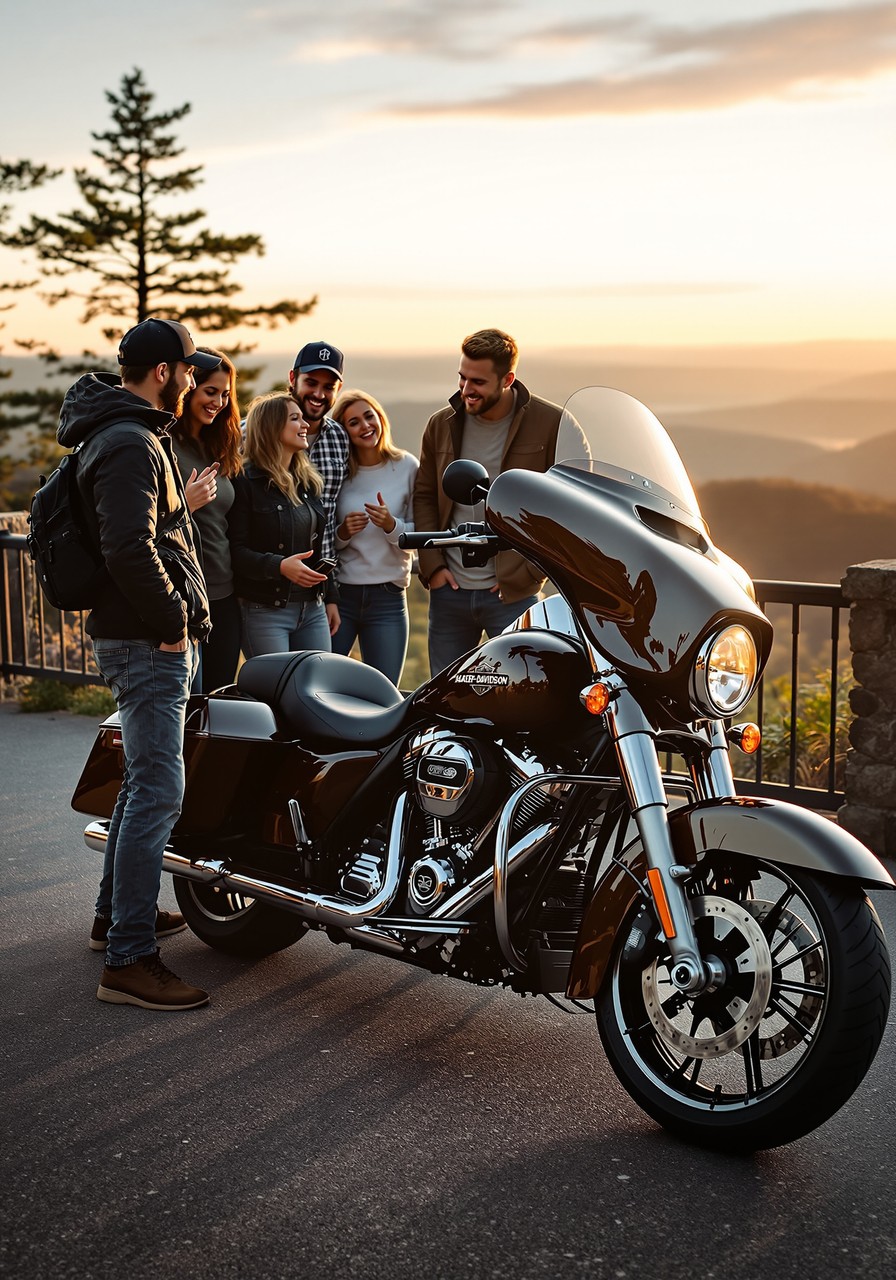
Nothing beats a lot full of bikes on a warm Thursday. New faces, old builds, and somebody always knows a new road. Come out and swap notes. #RideNationNY #NYRiders
Gear & New Iron
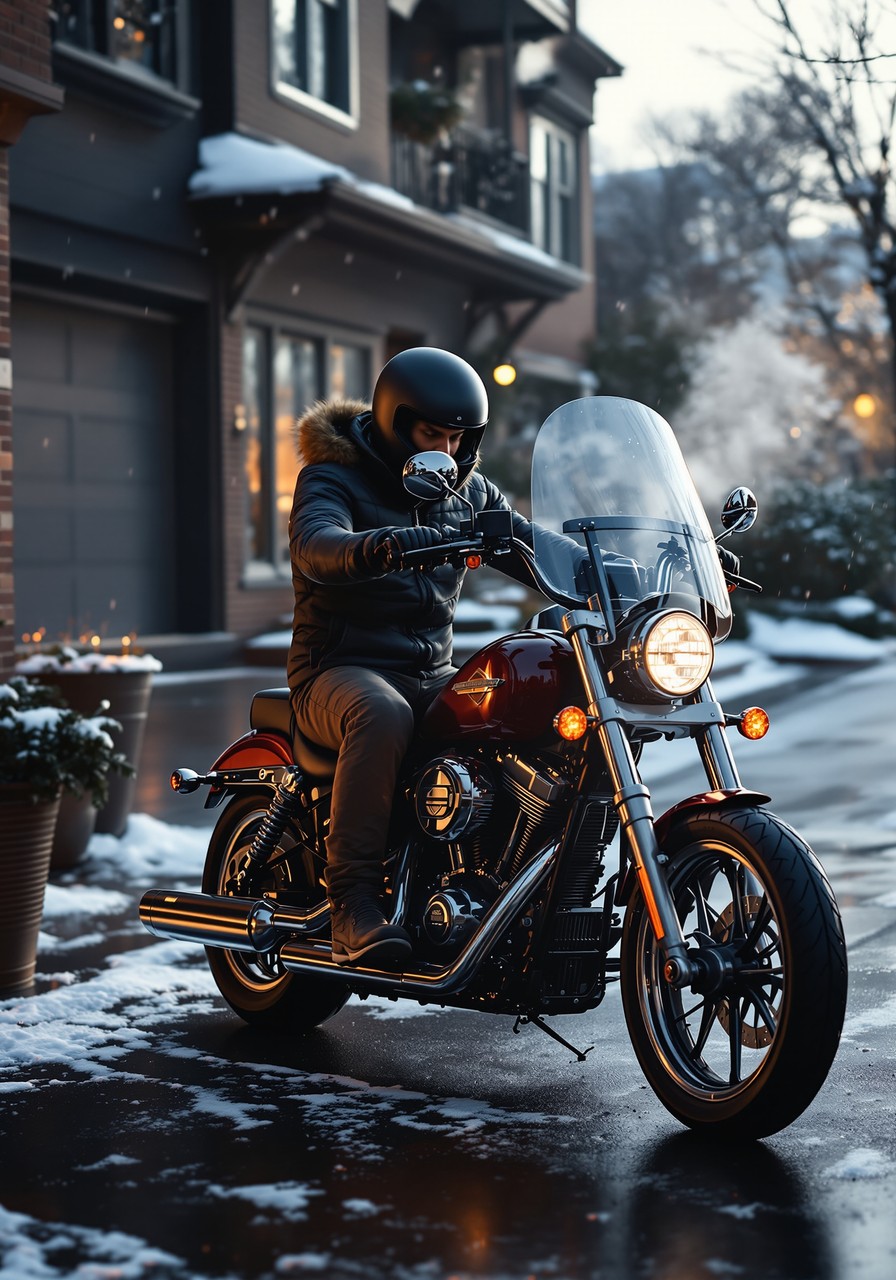
Brine is sneaky. It clings to your frame, fasteners, and connectors long after the road looks dry, so a quick rinse after a salty ride is not optional. #RideNationNY #ColdWeatherRiding #MotorcycleMaintenance
Safety & NY Law
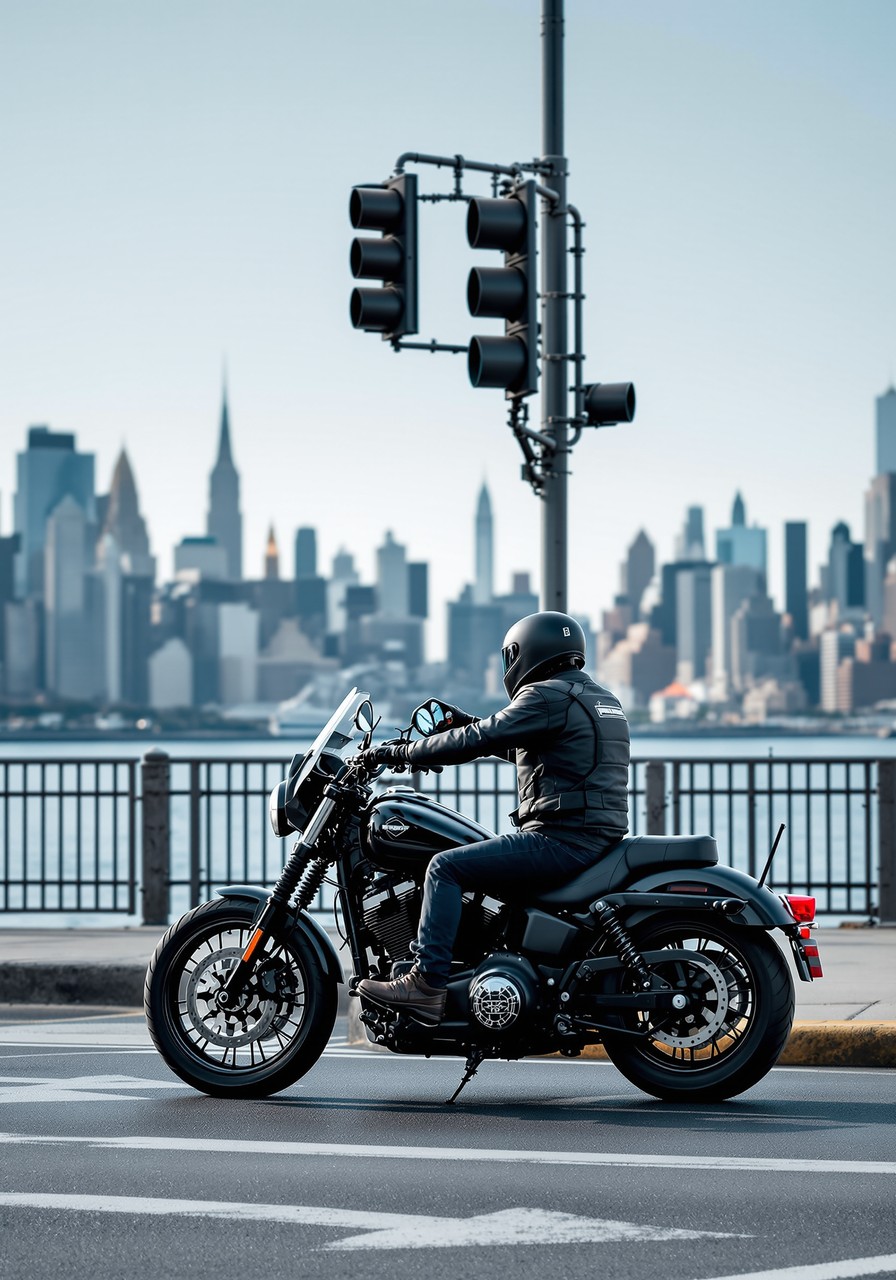
Uninsured driver, no plates, or a phantom car that ran you off the road? Your UM coverage is the backstop that pays when no one else will. Questions? Mary Ellen O'Connor and O'Connor Law, 914-595-4502. #RideNationNY #UninsuredMotorist #RiderSafety
Engagement
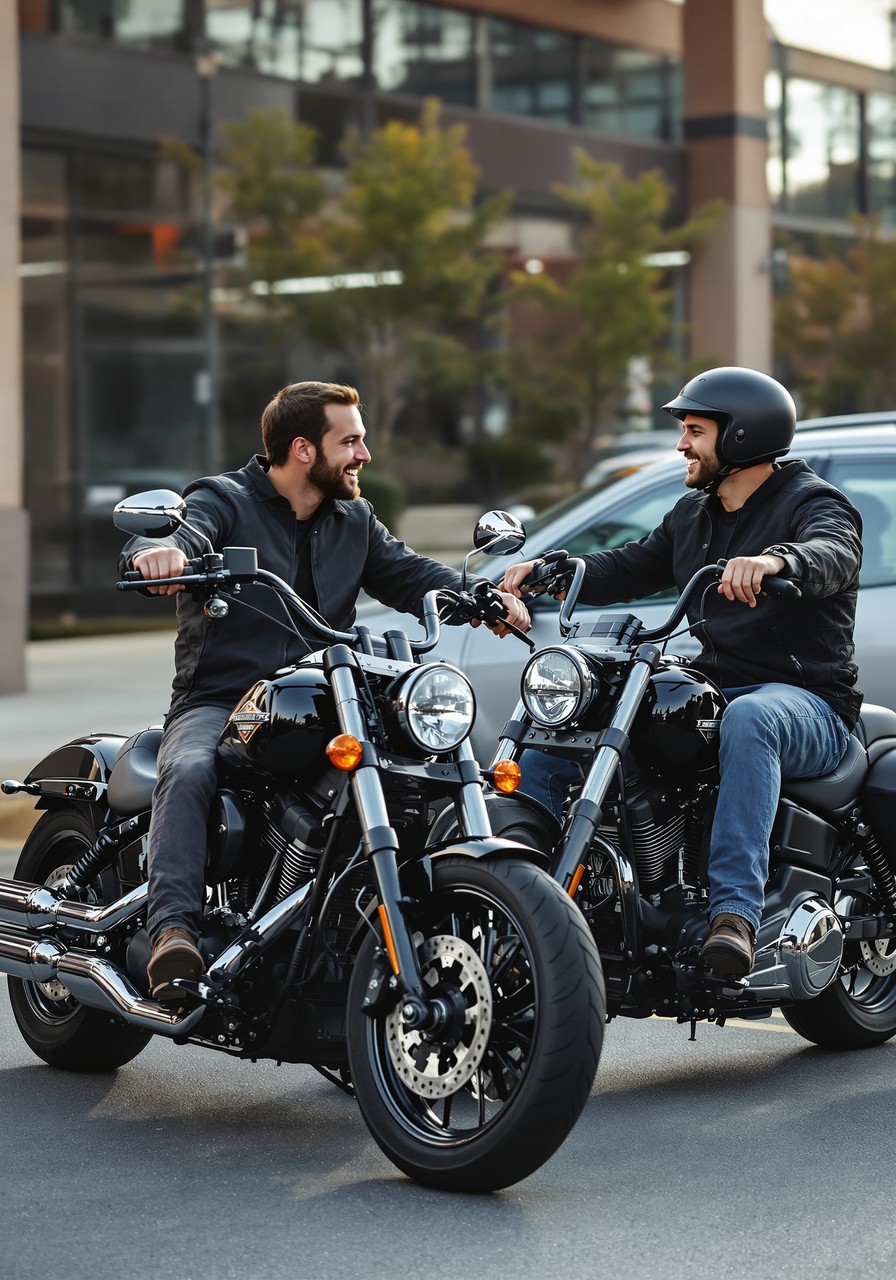
What song is playing in your head on the open road? Tell us. #RideNationNY #NYRiders #RideOrDie
Giveaway & Countdown
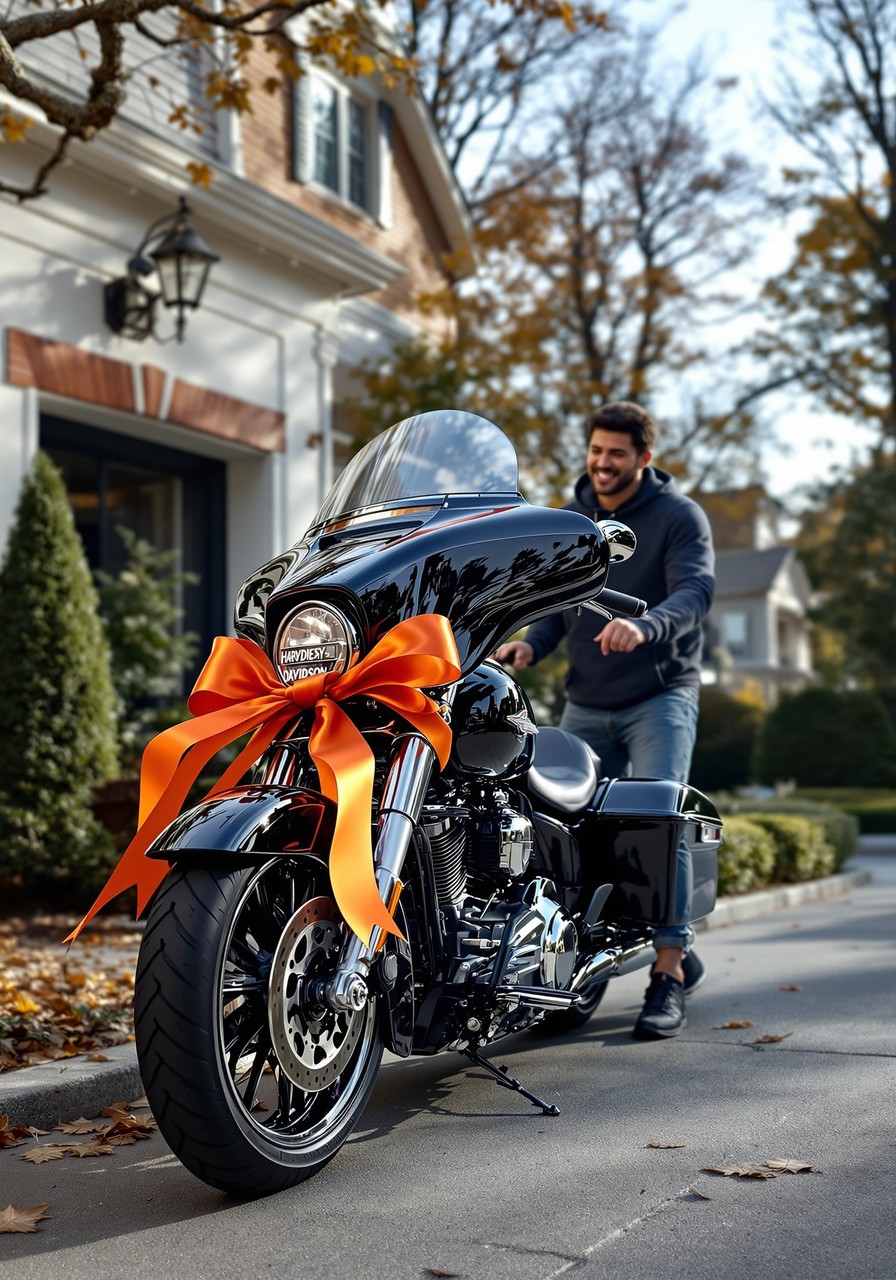
One rider just won $20,000 toward any bike they want. Next time it could be you. Follow along so you never miss an entry link in the comments. #RideNationNY #MotorcycleGiveaway #WinABike
Local NY & Rides
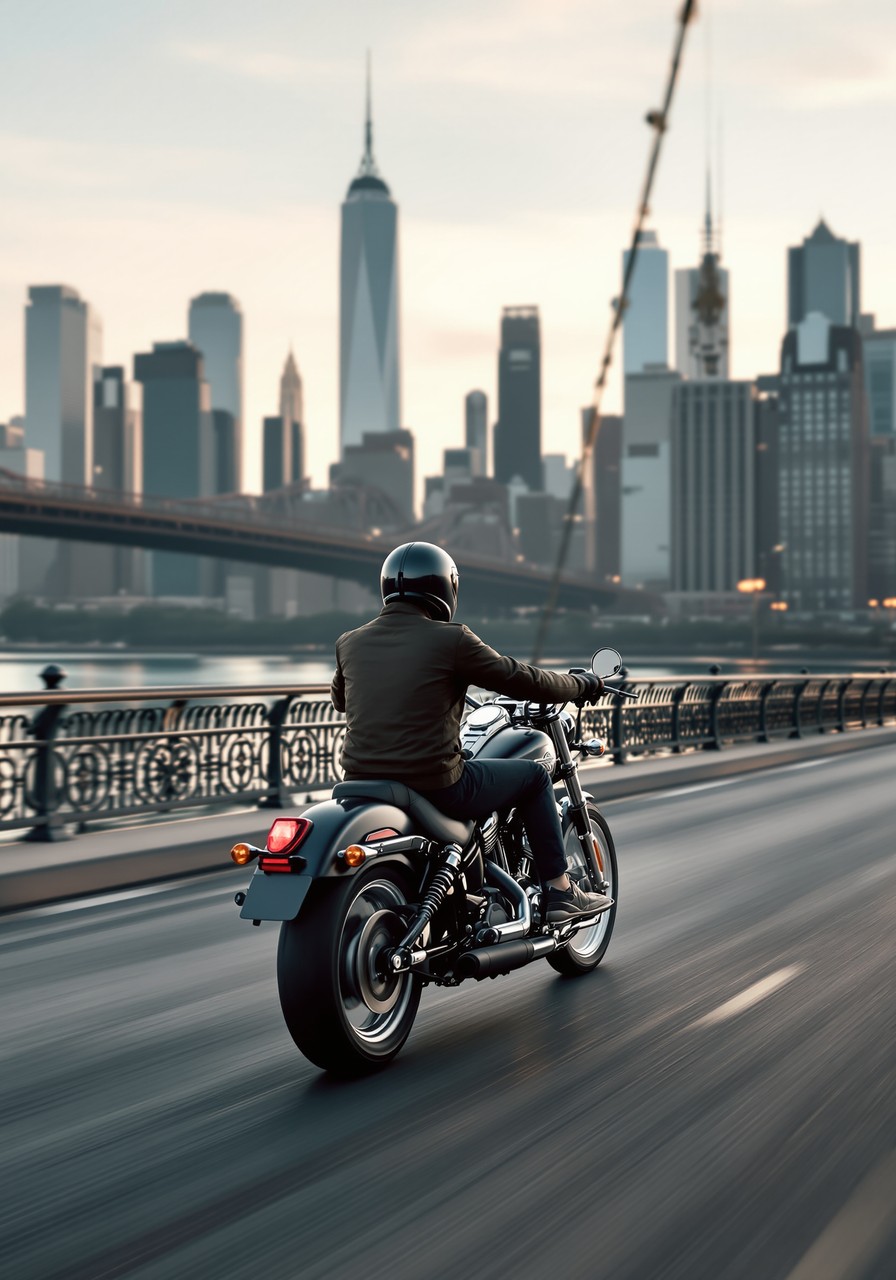
First group ride of spring always meets at Bear Mountain. When the calendar turns, watch this space and clear that Saturday. #RideNationNY #BearMountain #HudsonValley
Gear & New Iron
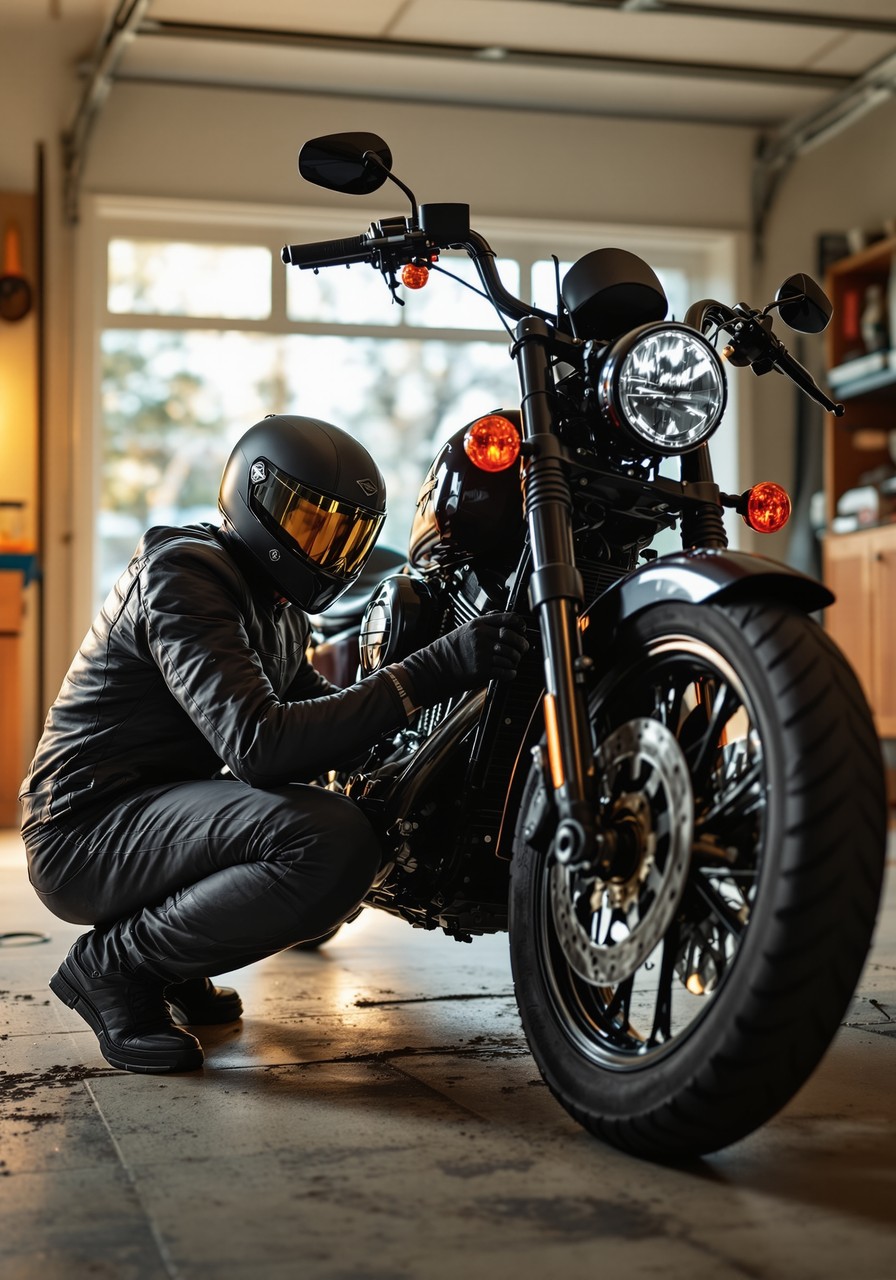
Foggy visor season is here. A pinlock insert or an anti-fog coating keeps your view clear when you stop at every NYC light. #RideNationNY #ColdWeatherRiding #RiderTips
Safety & NY Law
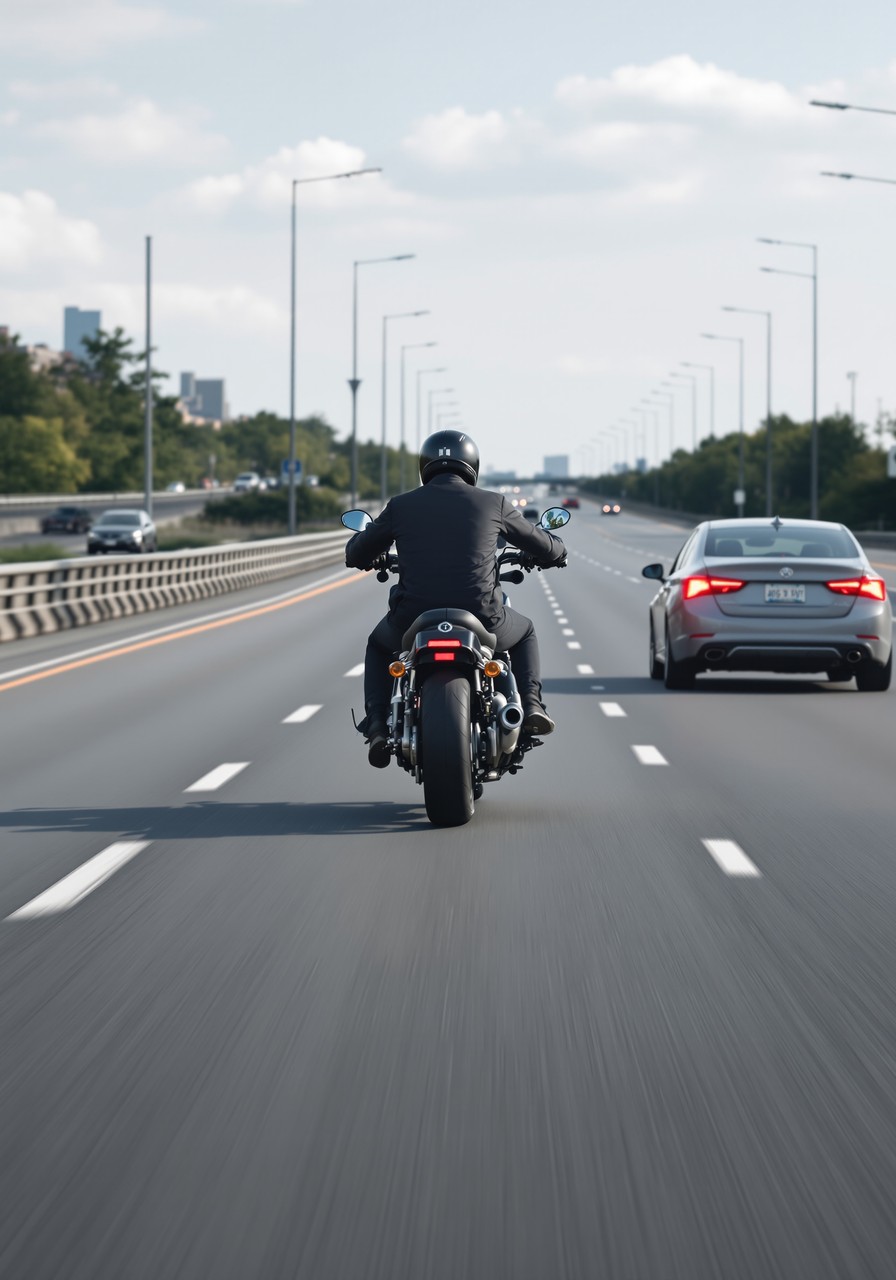
After any crash, documentation is your friend in New York. Photos of the scene, the plates, and your injuries all shape a comparative-fault case. Not sure what to save? O'Connor Law, no cost to talk. 914-595-4502. #RideNationNY #KnowYourRights #NYRiders
Engagement
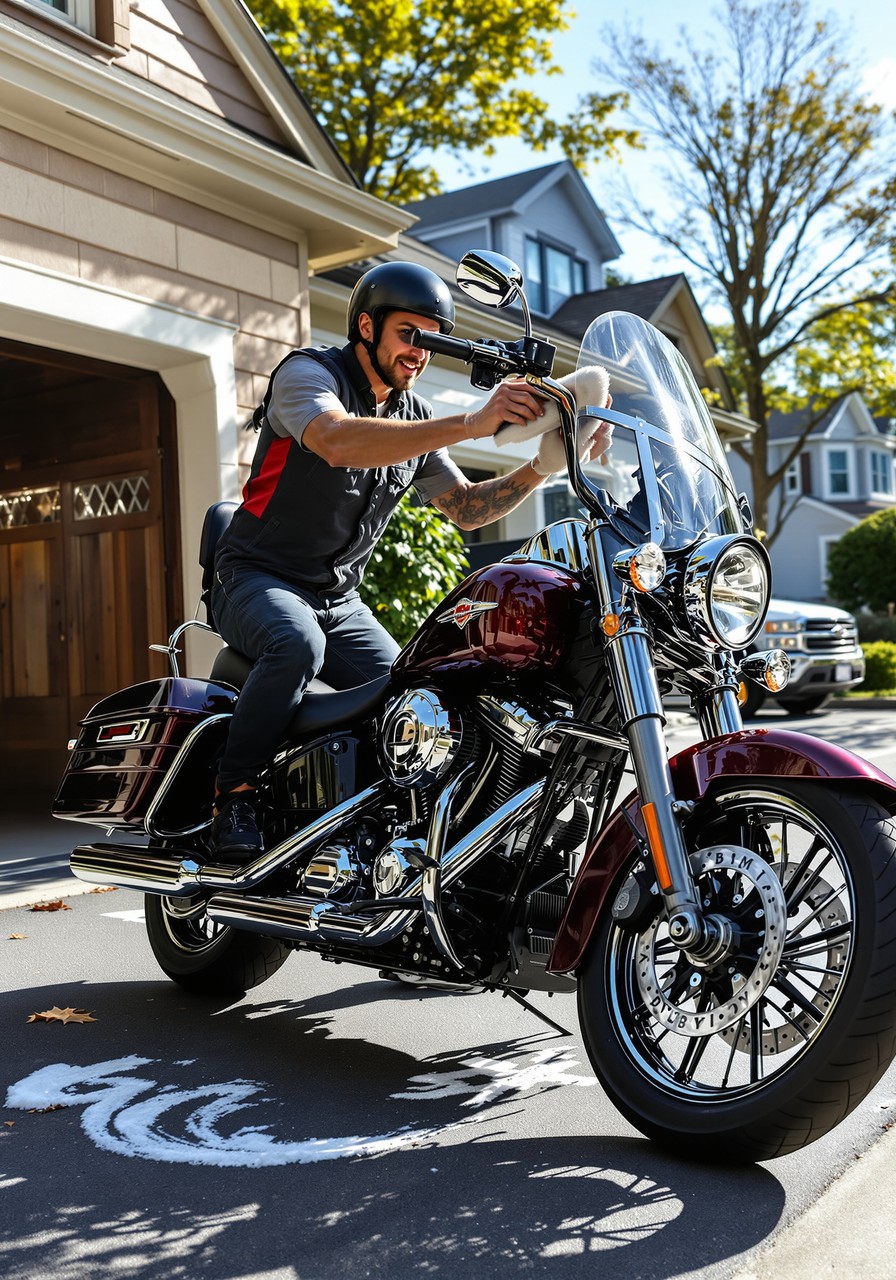
Tag a Westchester rider who knows every good curve up north. #RideNationNY #Westchester #TwoWheels
Giveaway & Countdown
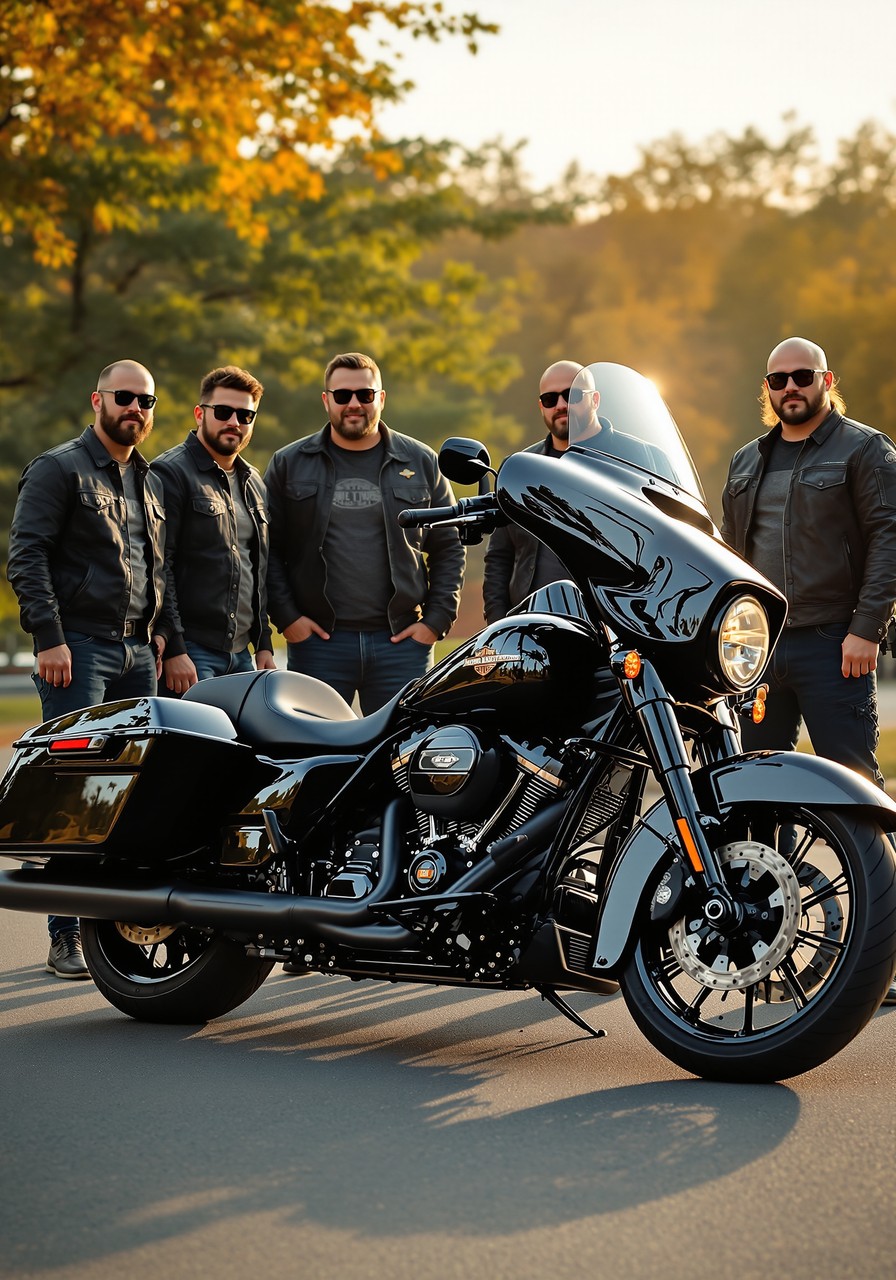
The giveaway may be drawn but the riding season rolls on. Keep your eyes here for the next chance to win big. #RideNationNY #20kGiveaway #NYRiders
Local NY & Rides
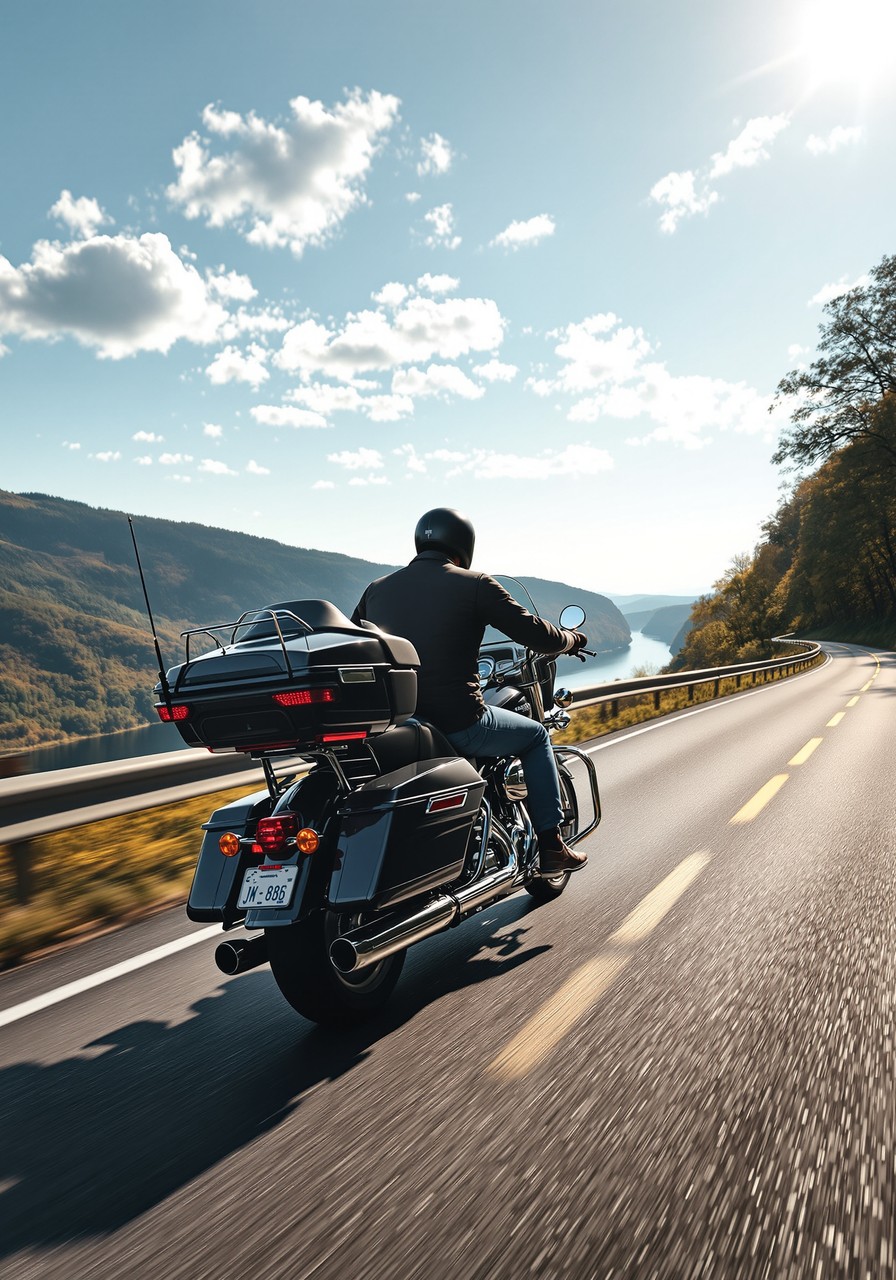
Bridges and tunnels are their own skill in the metro. Expansion joints, grated decks, and stop-and-go, so smooth inputs win every time. #RideNationNY #NYCMotorcycles #NYRiders
Gear & New Iron
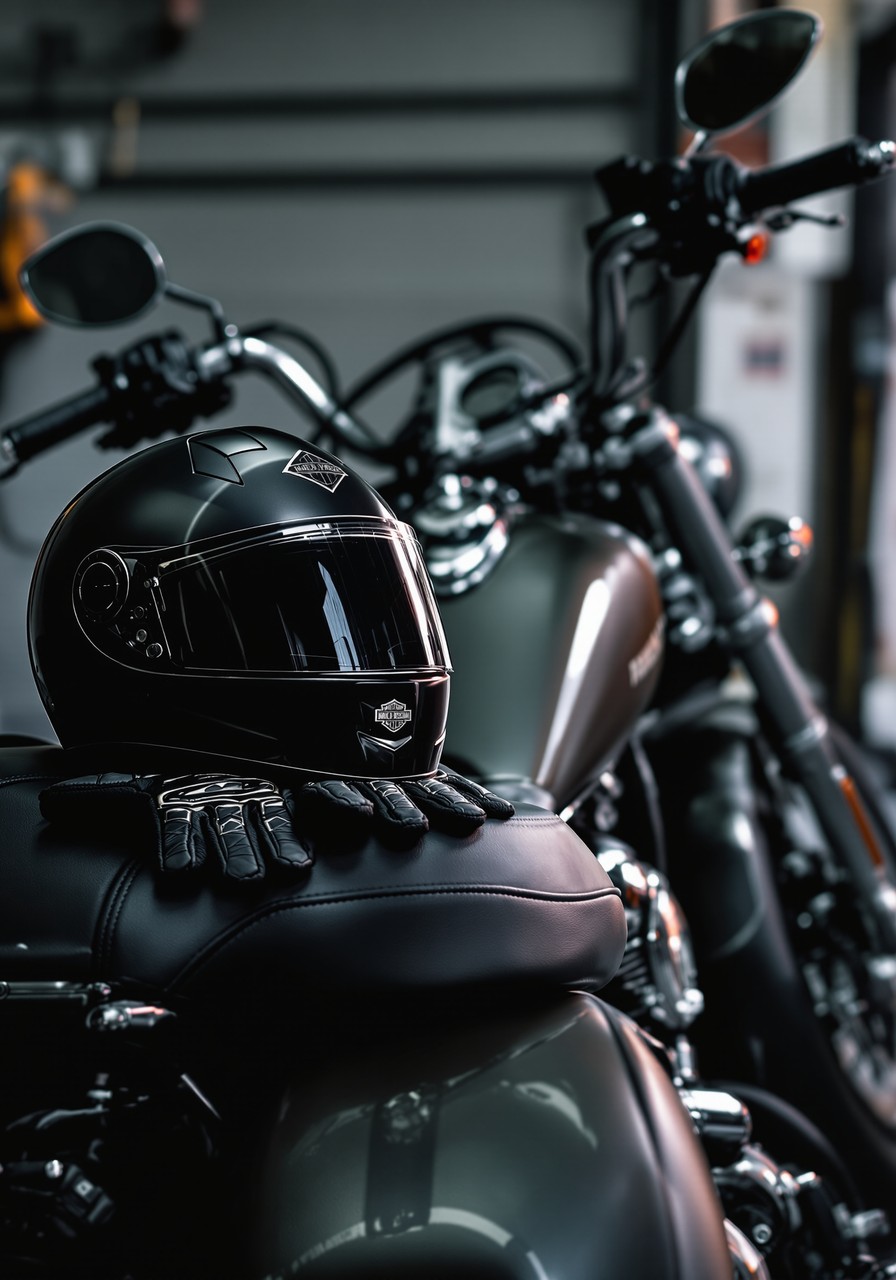
Cheap fog fix: crack your visor at the bottom for airflow, and never breathe straight up into it while you're stopped. #RideNationNY #RiderTips #ColdWeatherRiding
Safety & NY Law
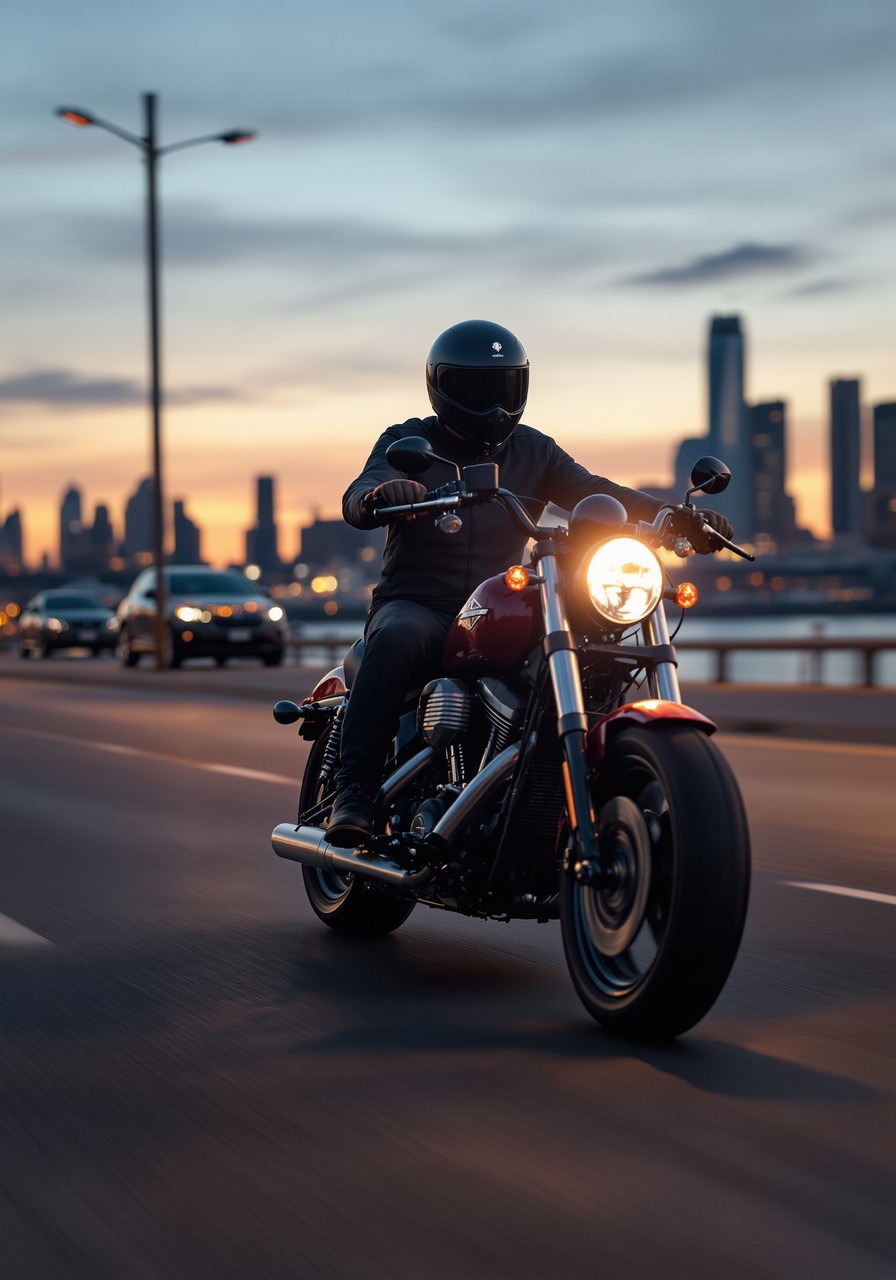
Intersections are where NYC riders get hurt most, usually a left-turning car cutting the gap. Cover your brakes and make eye contact. Went down? Mary Ellen O'Connor, O'Connor Law, 914-595-4502. #RideNationNY #RiderSafety #MotorcycleSafety
Engagement
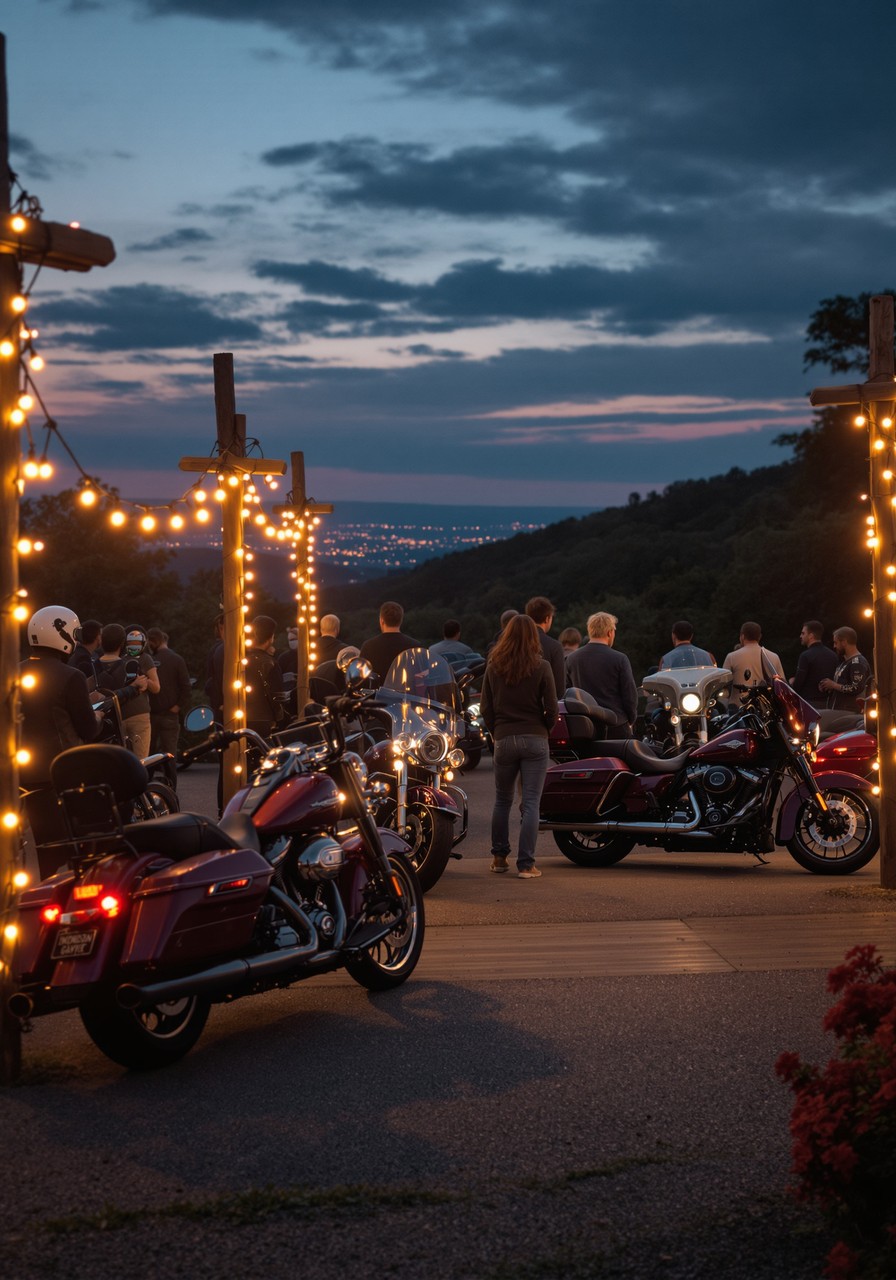
Fill in the blank: Layup is almost over. First stop is _____. #RideNationNY #NYRiders #BikerLife
Giveaway & Countdown
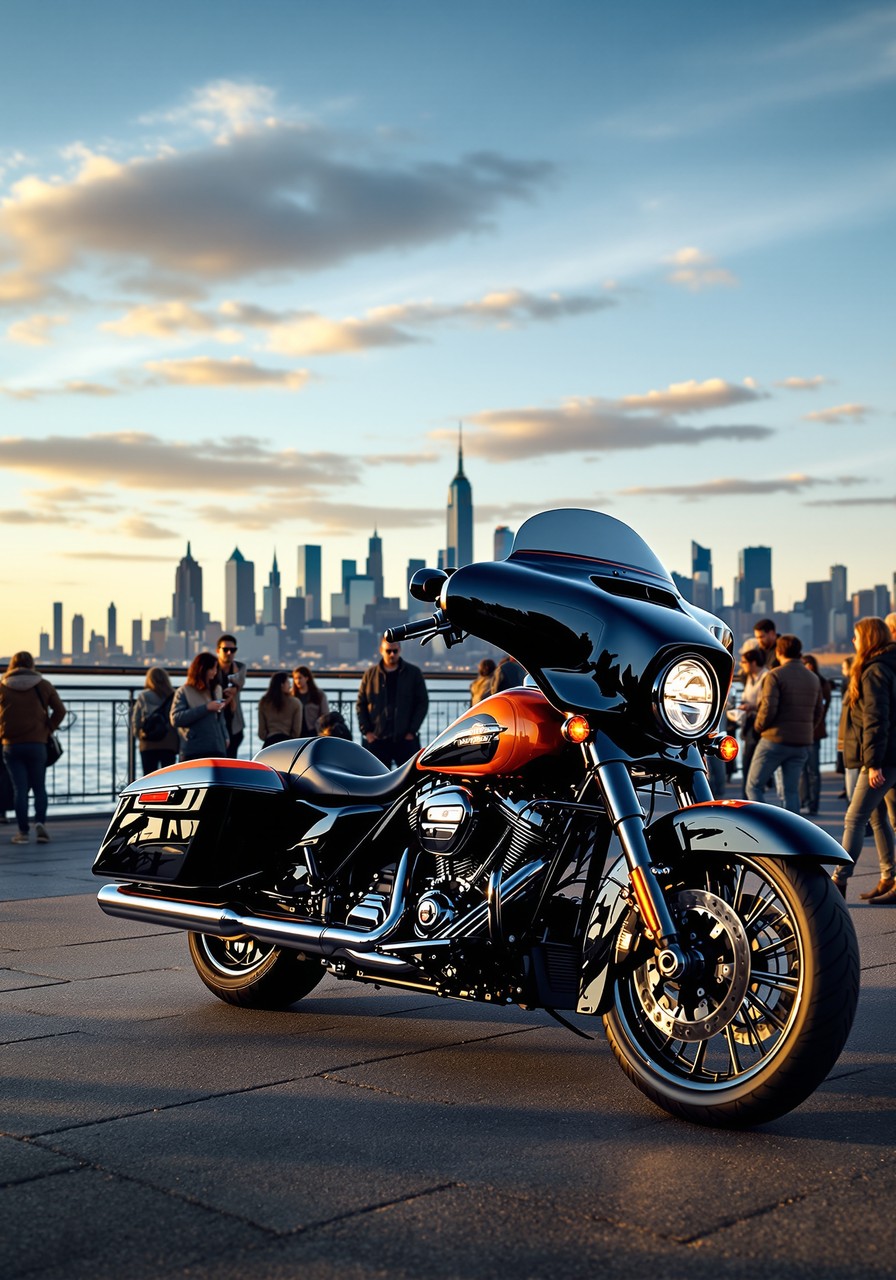
Congrats again to our winner. If you were not entered, let that be the nudge. The next free giveaway will not wait for you. #RideNationNY #FreeToEnter #BikersWin
Local NY & Rides
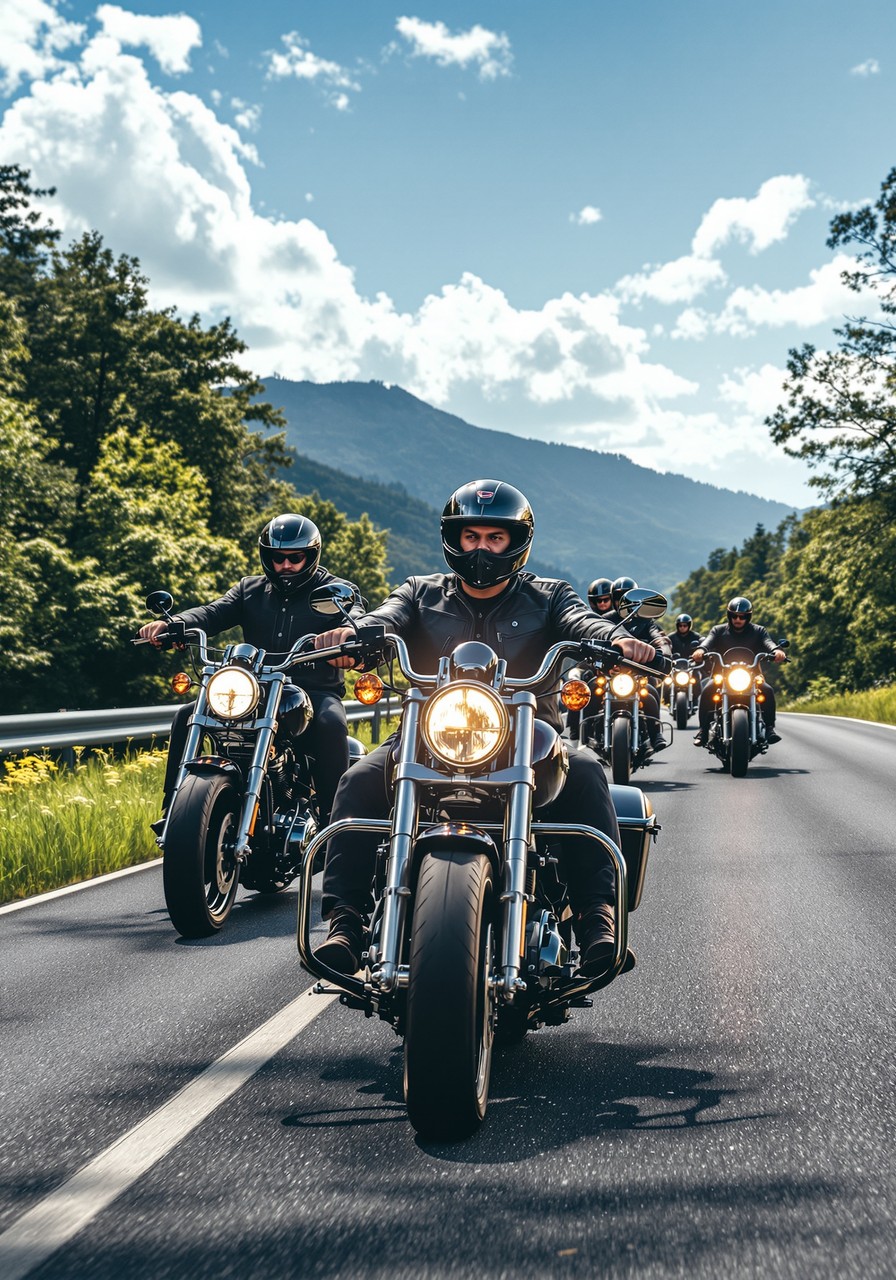
The Major Deegan at rush hour is a lane-splitting temptation you skip in New York. Hold your space, ride the buffer, and let the gaps come to you. #RideNationNY #NYCMotorcycles
Gear & New Iron
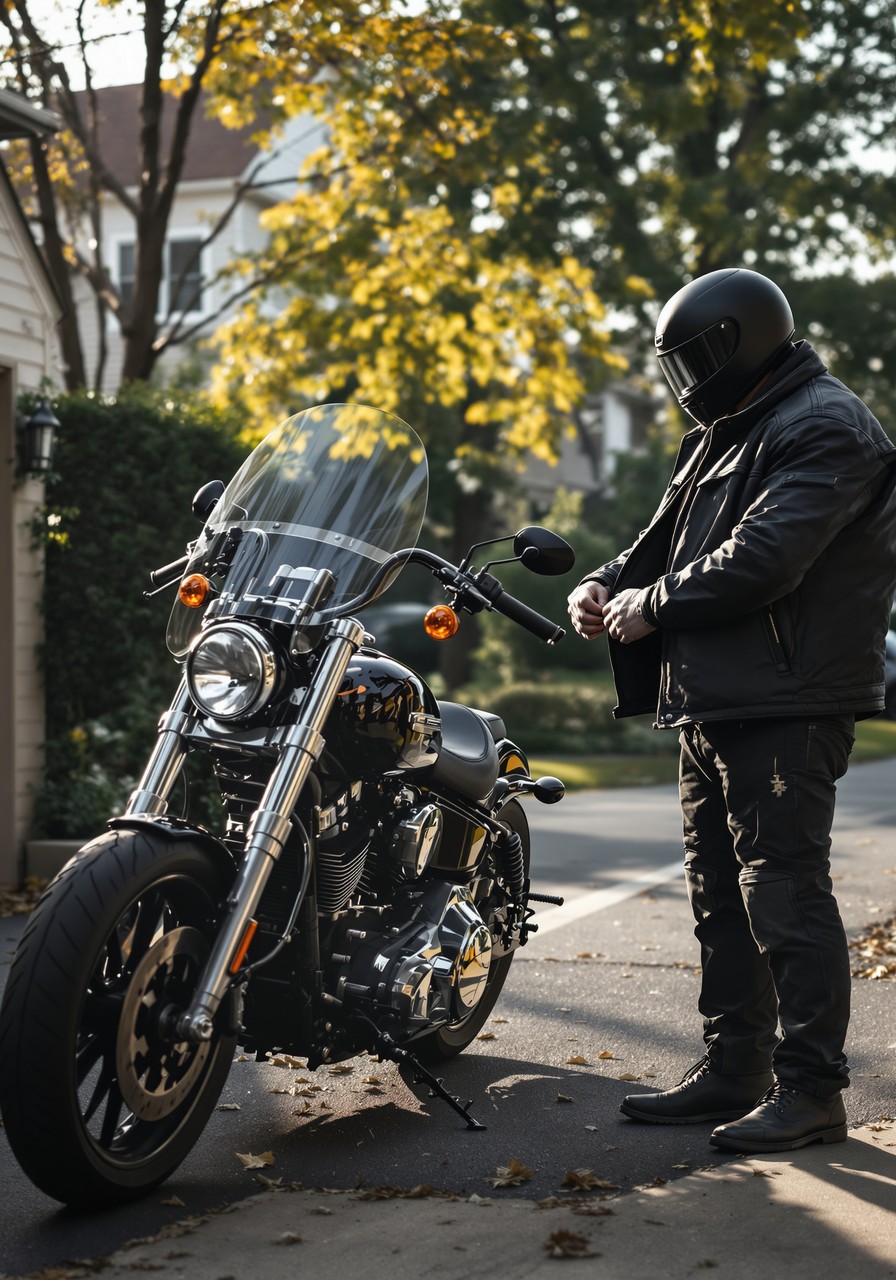
Storing the bike for winter? Add fuel stabilizer, then run it a few minutes so the treated gas reaches the whole system before it sits. #RideNationNY #MotorcycleMaintenance #ColdWeatherRiding
Safety & NY Law
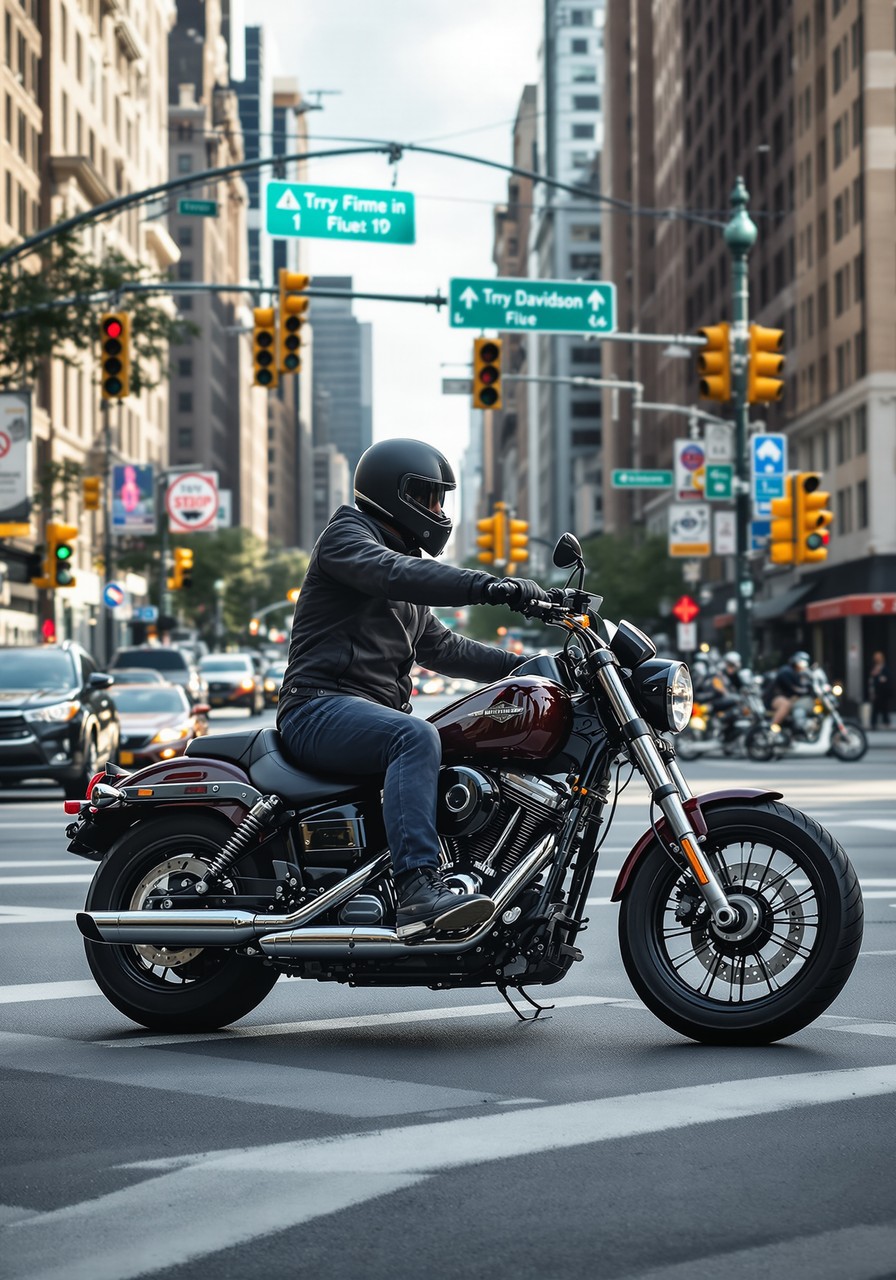
E-bikes and mopeds can appear from the wrong direction fast in the city. Treat every crosswalk and curb cut as live. Hurt in a crash? O'Connor Law, free to talk. 914-595-4502. #RideNationNY #RiderSafety #NYRiders
Engagement
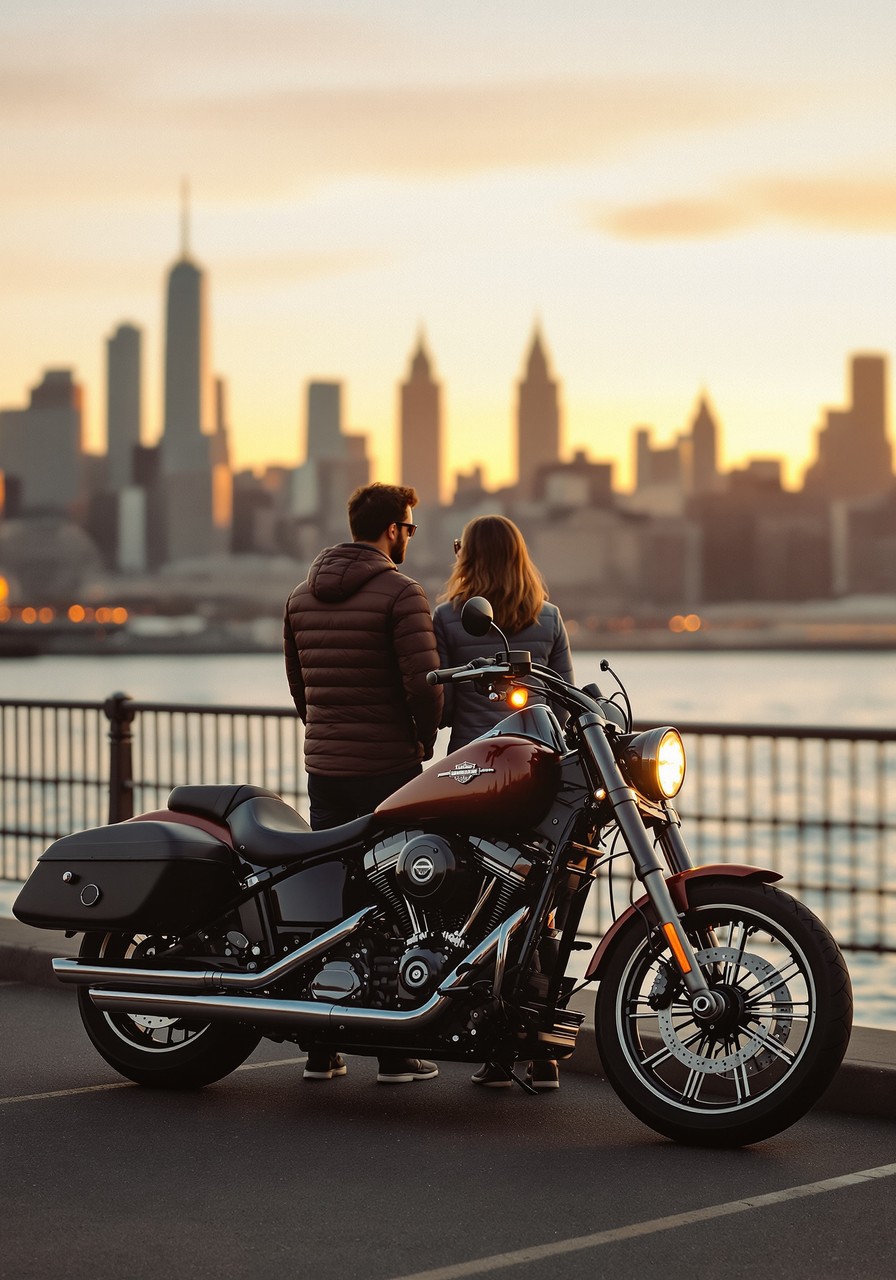
Caption this: the crew lined up outside on a rare warm January day. #RideNationNY #NYCMotorcycles #RideOrDie
Giveaway & Countdown
New year, new chances. Ride Nation NY, the next giveaway is on the way and entry stays free for riders 18 and up. Stay tuned. #RideNationNY #MotorcycleGiveaway #NYCMotorcycles
Local NY & Rides
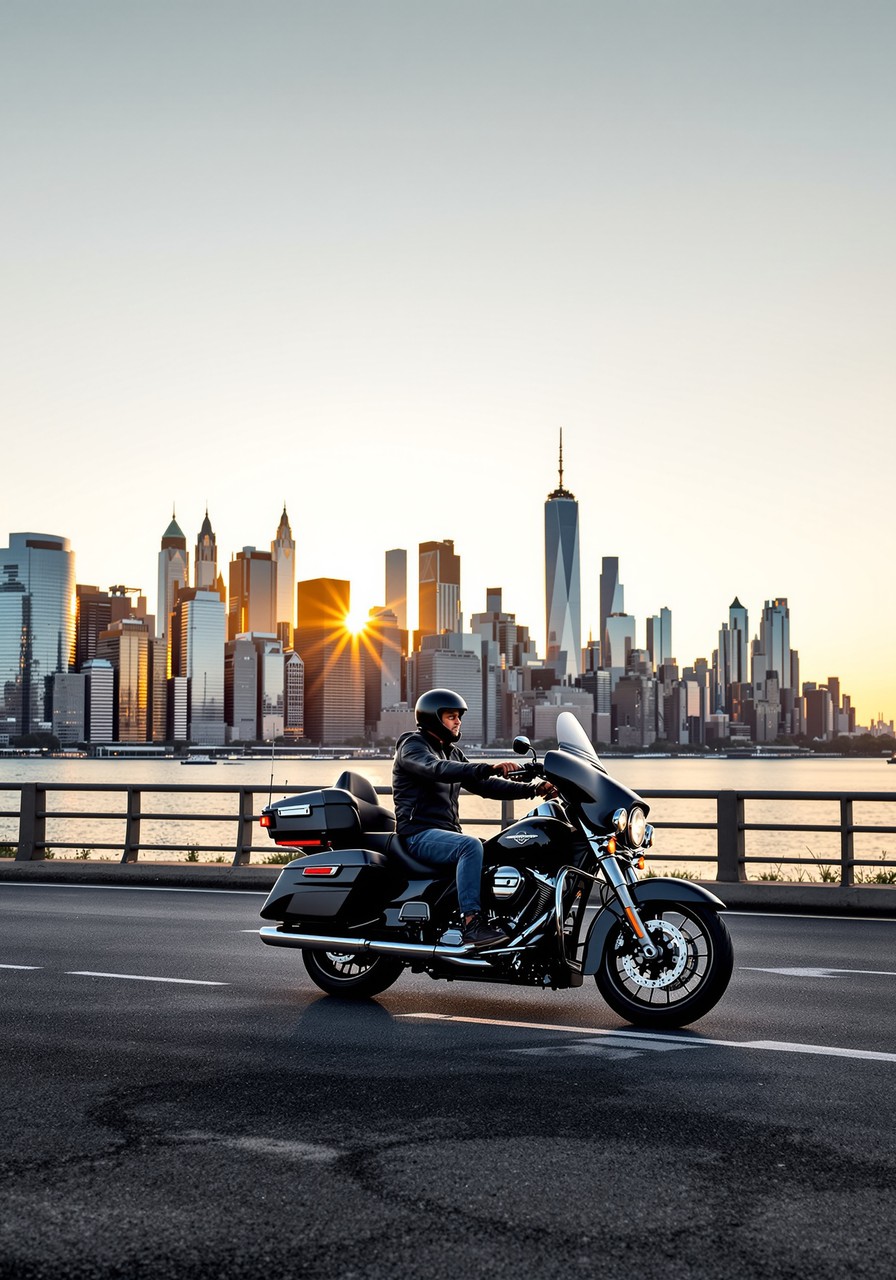
Route 9W along the river is the underrated Palisades cruise. Overlooks the whole way and an easy pace back to the bridge. #RideNationNY #Palisades #HudsonValley
Gear & New Iron
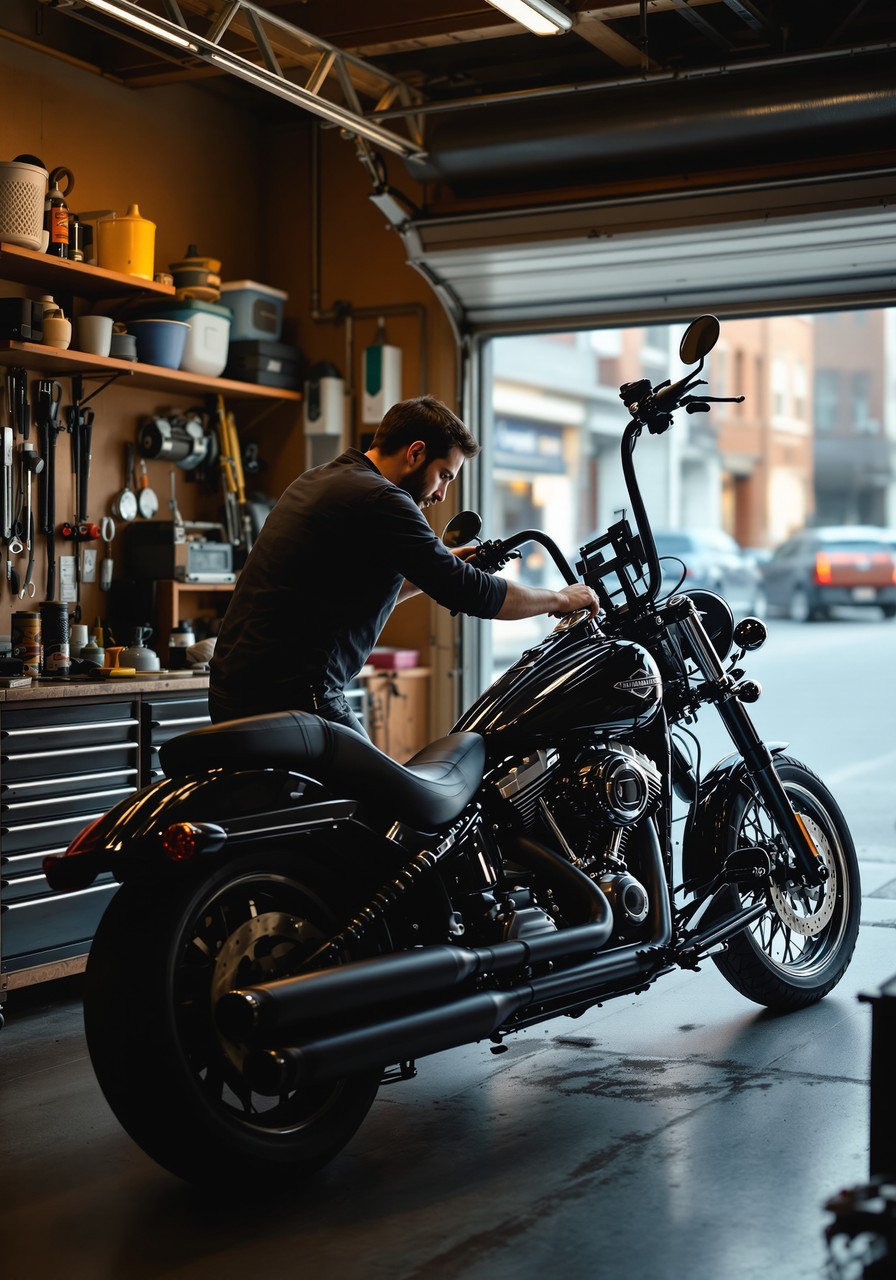
Storage checklist: full tank with stabilizer, battery on a tender, tires off cold concrete, and a breathable cover. Spring you will thank winter you. #RideNationNY #MotorcycleMaintenance #ColdWeatherRiding
Safety & NY Law
Wet steel plates, seams, and potholes turn a normal NYC street into a trap. Ease off the throttle and pick a clean line. Went down and injured? Mary Ellen O'Connor and O'Connor Law, 914-595-4502. #RideNationNY #MotorcycleSafety #RiderSafety
Engagement
Poll: solo dawn ride or a big group roll-out? Which are you? #RideNationNY #TwoWheels #NYRiders
Giveaway & Countdown
What would you ride this spring with a fresh set of wheels? Dream it now, because more giveaways are coming. Questions after a wreck? O'Connor Law, 914-595-4502. #RideNationNY #WinABike #NYRiders
Local NY & Rides
Fall is the best riding we get all year. Cool air, dry roads, and the Hudson Valley lit up. Ride every clear day before the garage claims her. #RideNationNY #HudsonValley #NYRiders
Gear & New Iron
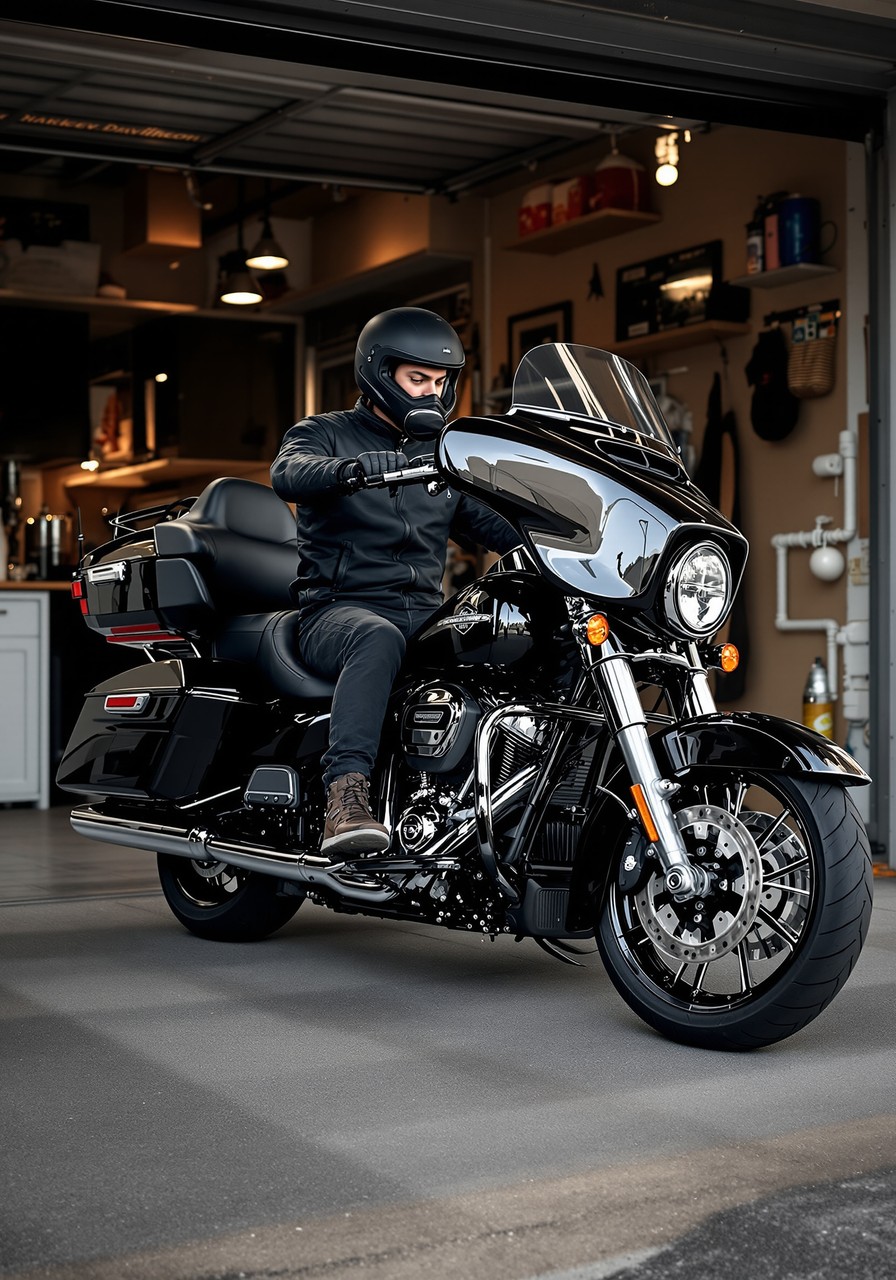
Don't start a stored bike once a month and let it idle. A short idle just dumps moisture into the oil. Either ride it or leave it properly prepped. #RideNationNY #MotorcycleMaintenance #RiderTips
Safety & NY Law
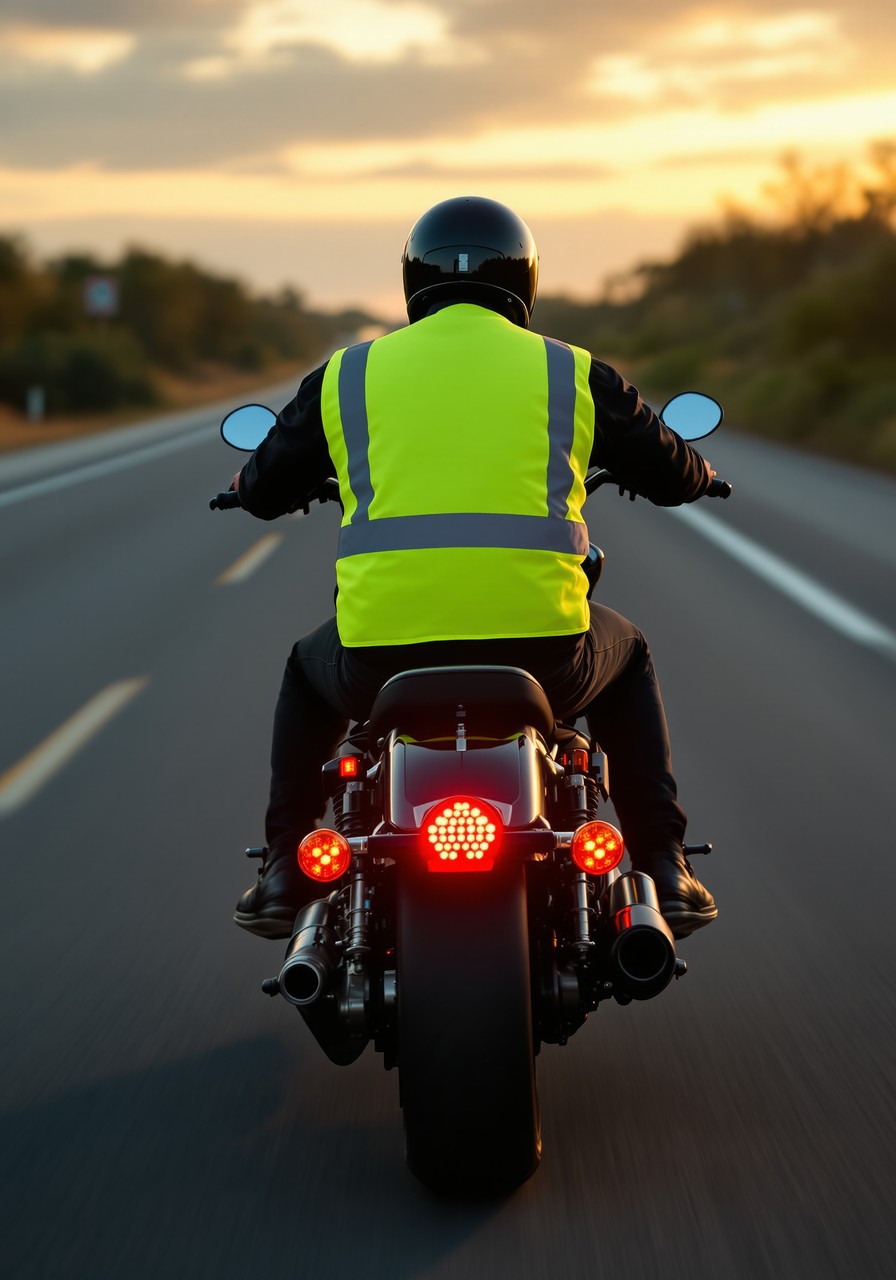
All the gear, all the time. In a city this dense, your helmet, jacket, and gloves are the difference between a scare and a stay. Questions after a crash? O'Connor Law, 914-595-4502. #RideNationNY #ATGATT #RiderSafety
Engagement
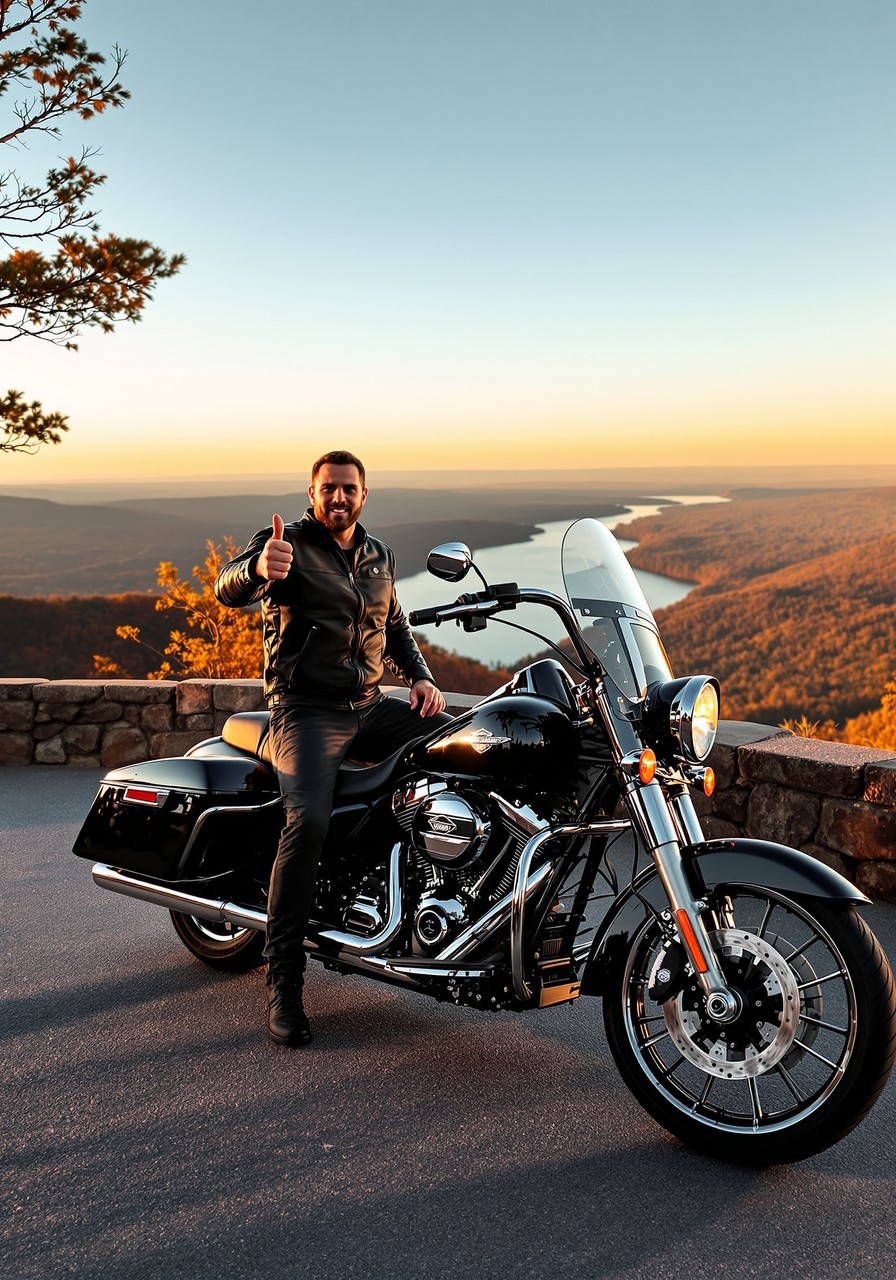
Name your dream Long Island coast run for the spring. #RideNationNY #LongIsland #BikerLife
Giveaway & Countdown
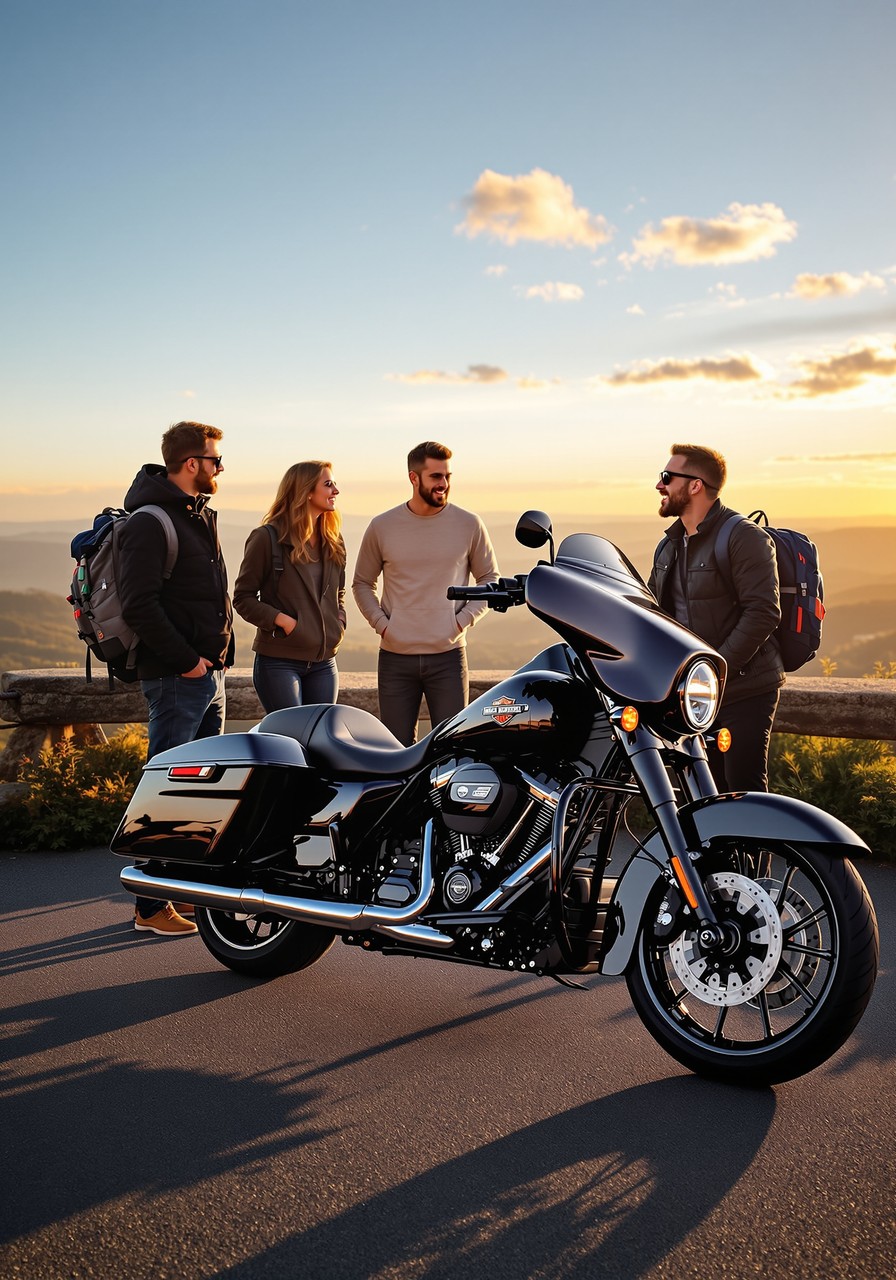
Stay entered, stay ready. The riders who win are the ones who show up every round. More chances coming to Ride Nation NY. #RideNationNY #20kGiveaway #BikersWin
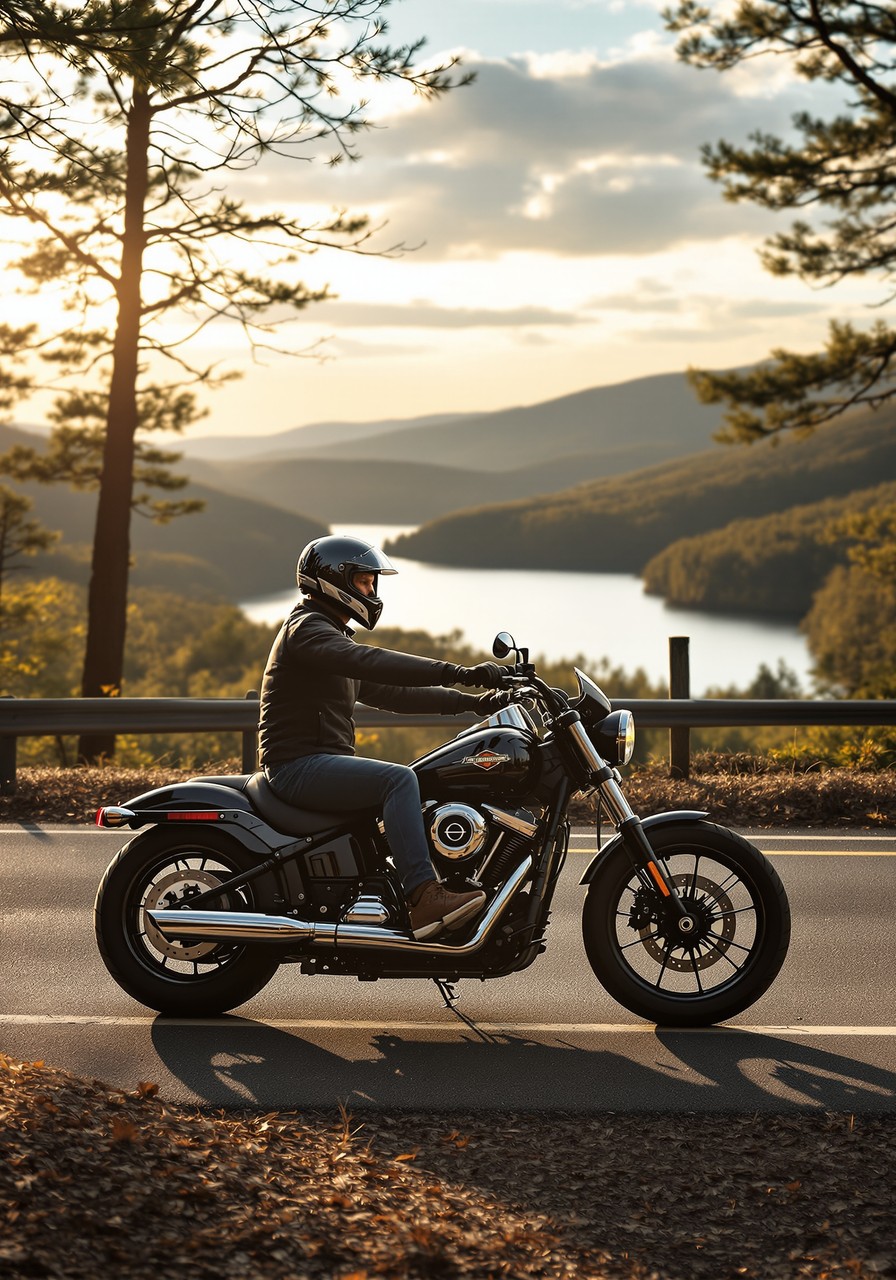
Local NY & Rides
Leaves look great and hide everything. Wet foliage on the Taconic and 9D is slick as ice, so ease off through the shaded bends. #RideNationNY #HudsonValley #NYRiders
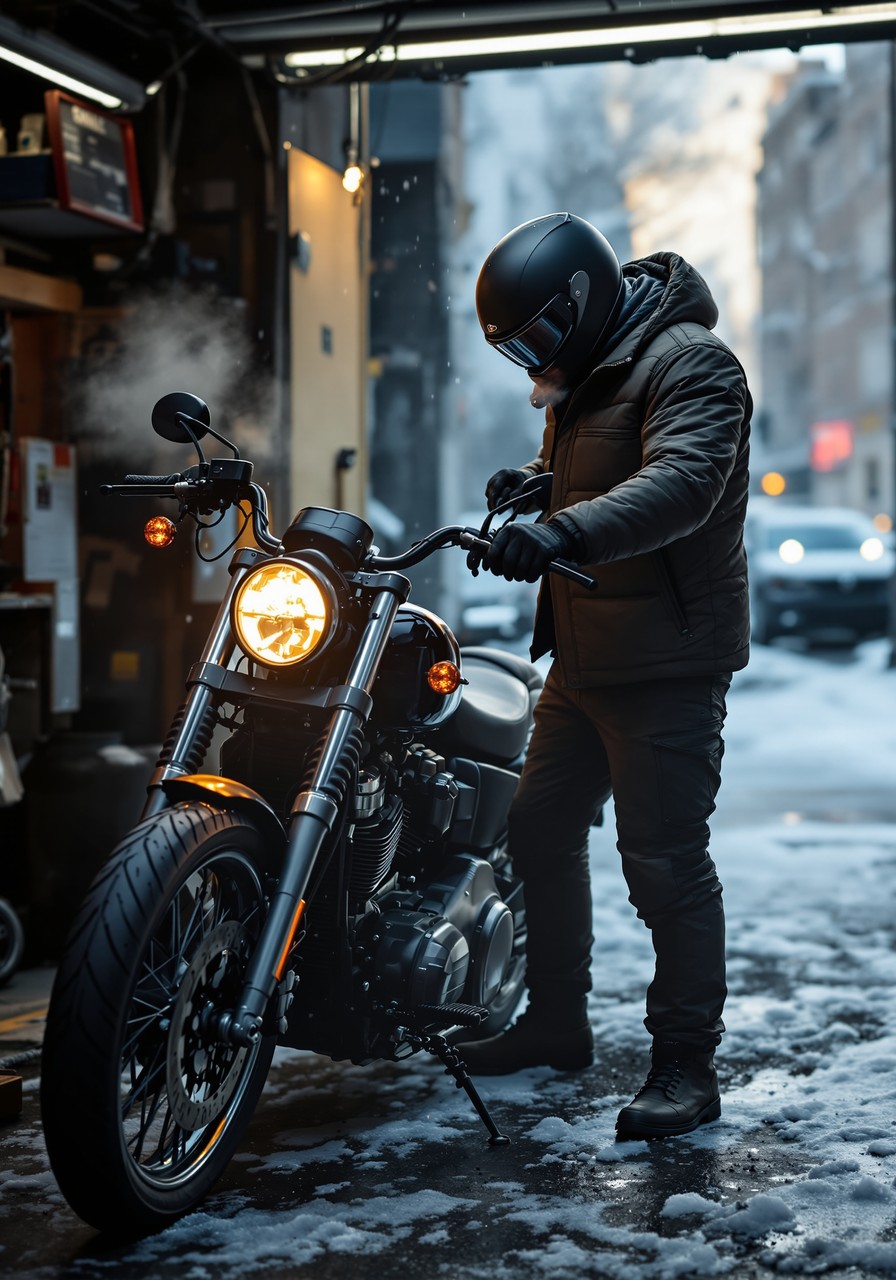
Gear & New Iron
New iron shopping this off-season? Sit on everything. Reach to the bars, feet flat at a stop, and a seat height that fits real NY traffic. #RideNationNY #NewIron #NYRiders
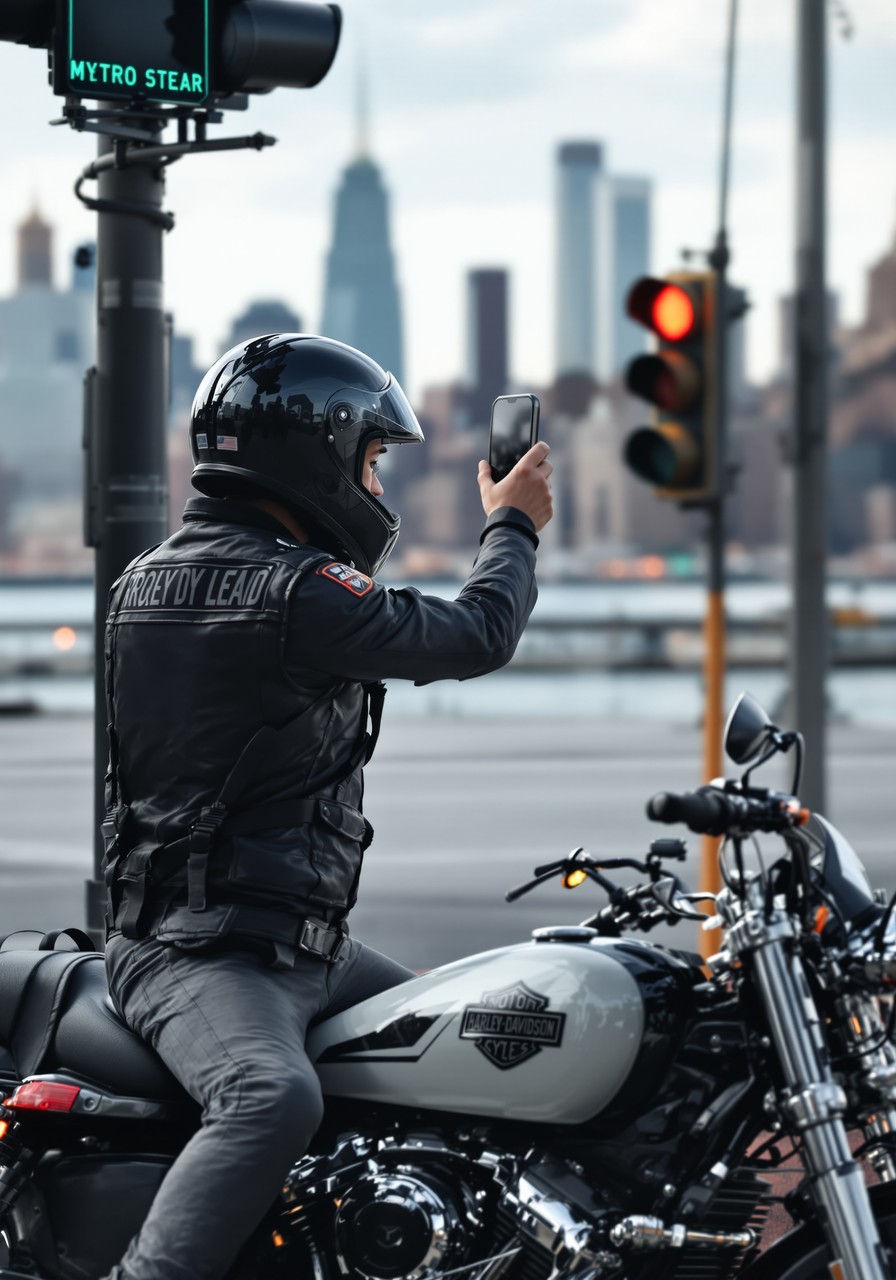
Safety & NY Law
Riders keep learning this the hard way: NY no-fault will not cover your bills after a bike crash. Line up SUM and health coverage now, before you need them. Mary Ellen O'Connor, O'Connor Law, 914-595-4502. #RideNationNY #NewYorkLaw #UninsuredMotorist
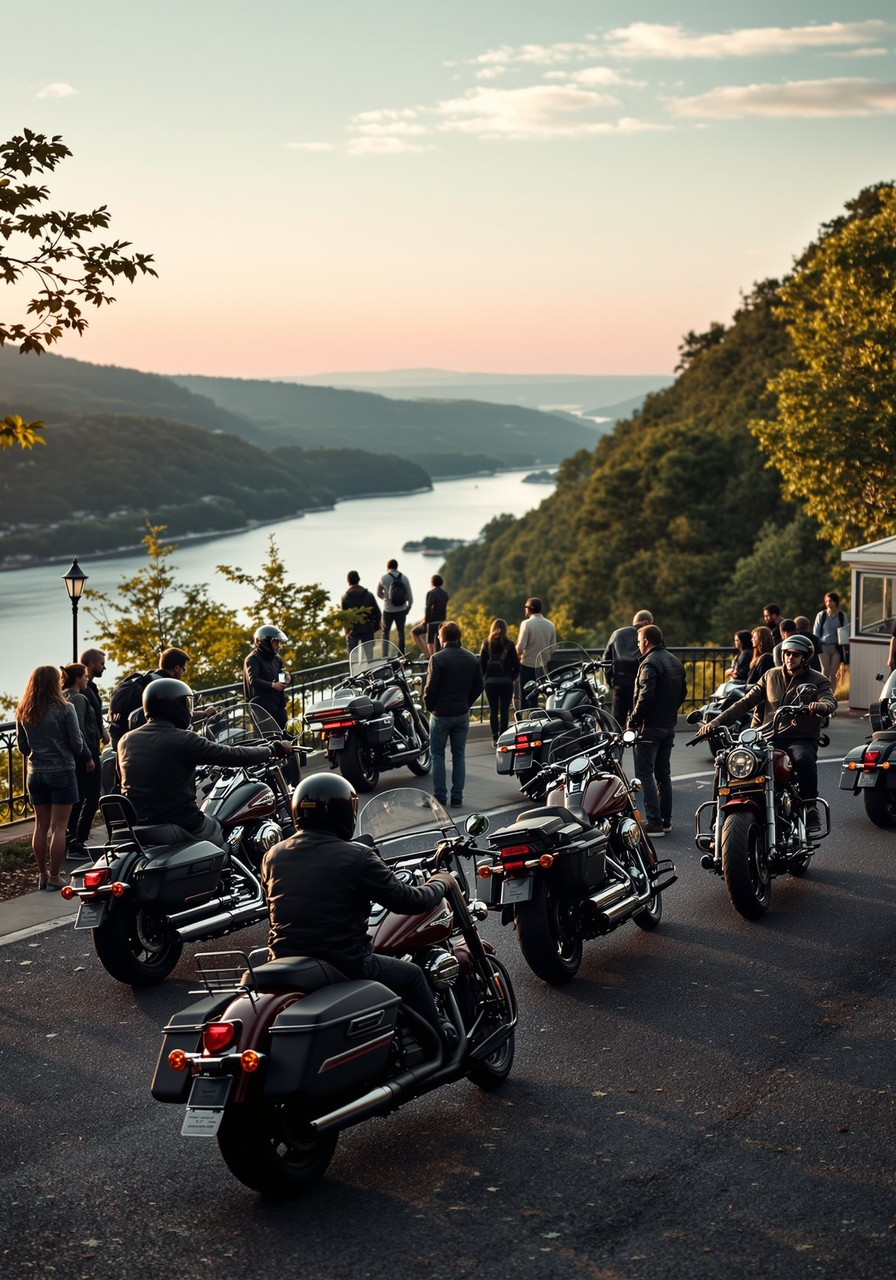
Engagement
This or that: new gear or new tires with the same money. Pick. #RideNationNY #BikerLife #TwoWheels
Giveaway & Countdown
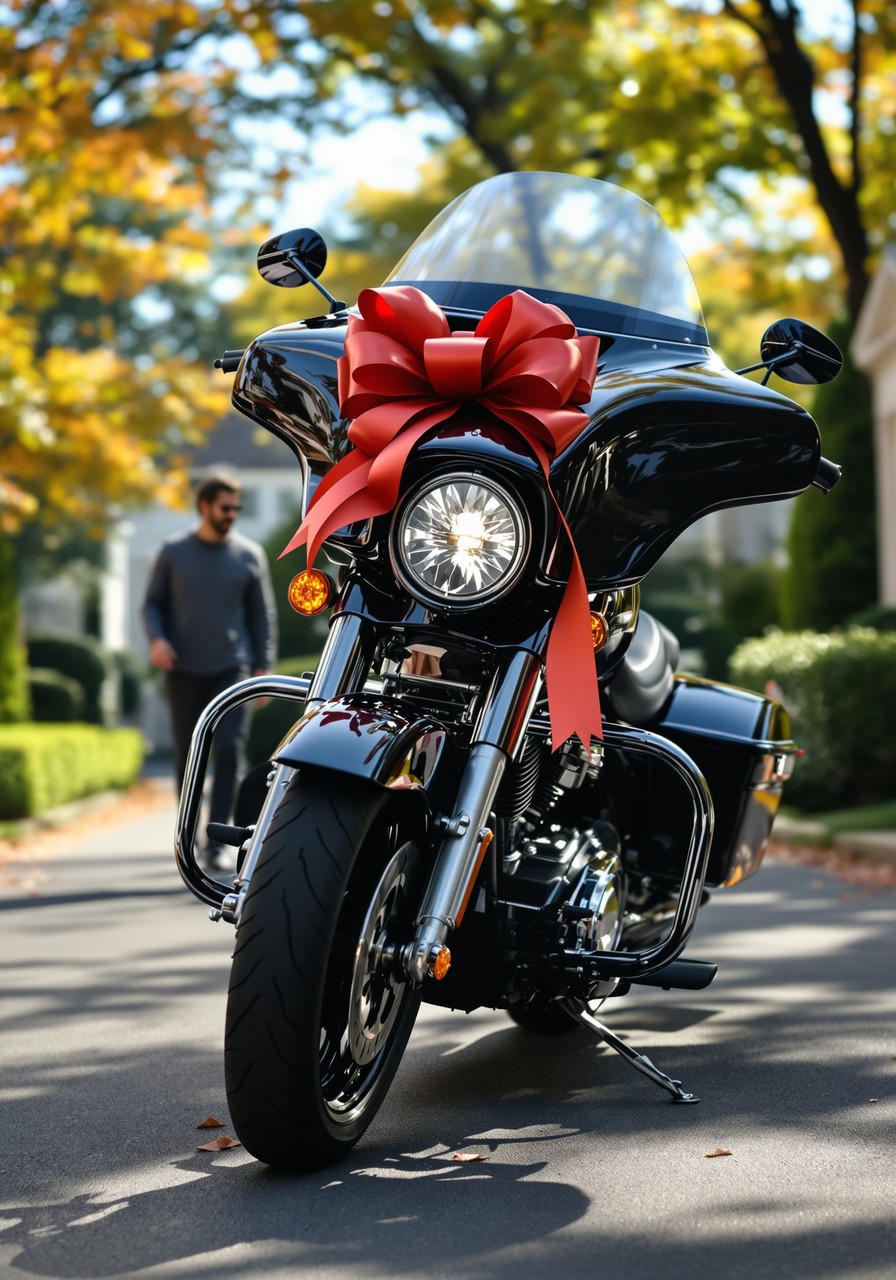
Winter miles, big dreams. One rider already won $20,000 and the next opportunity is closer than you think. Keep watching this space. #RideNationNY #MotorcycleGiveaway #NYCMotorcycles
Local NY & Rides
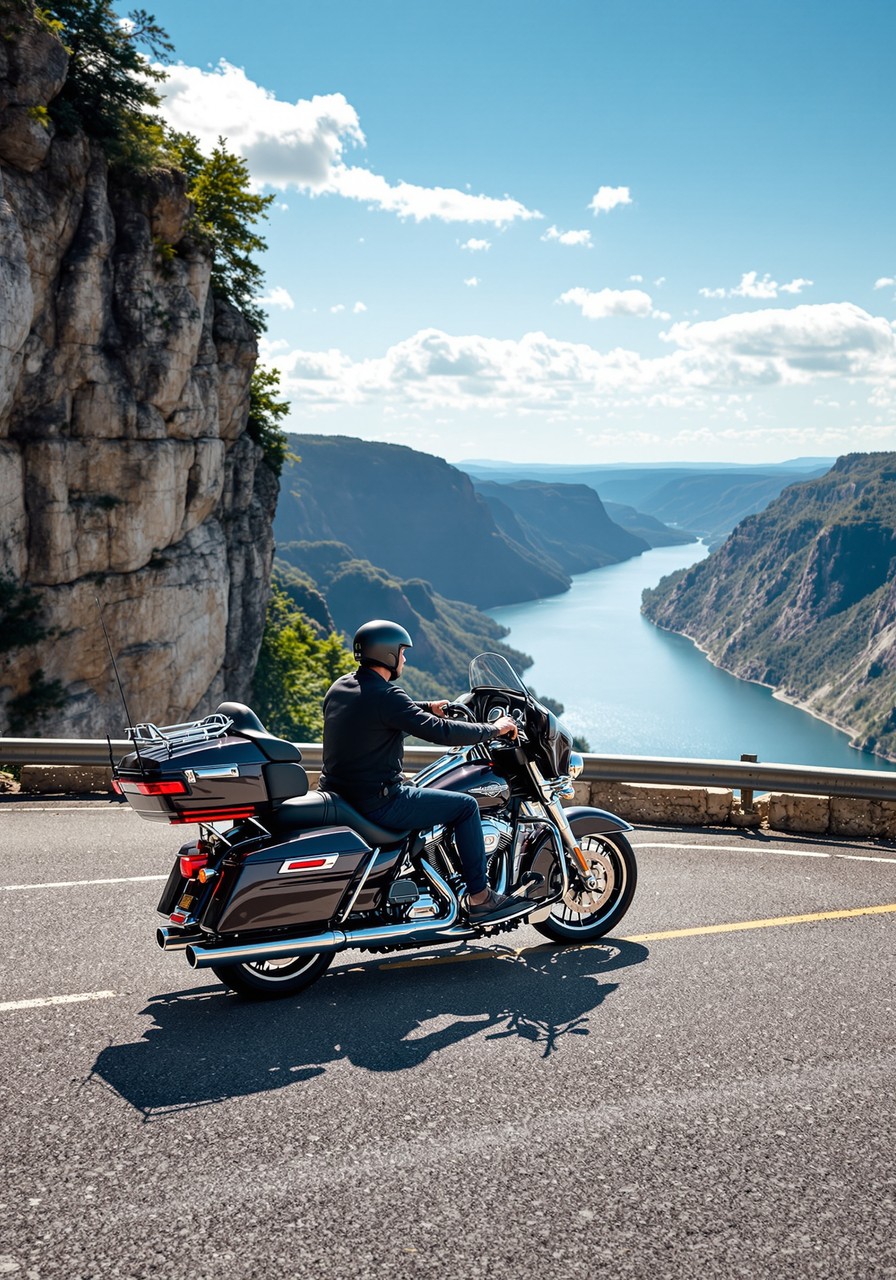
Storm King, Bear Mountain, Seven Lakes, and home over the bridge. That loop is the reason we put up with the winters down here. #RideNationNY #HudsonValley #BearMountain
Gear & New Iron
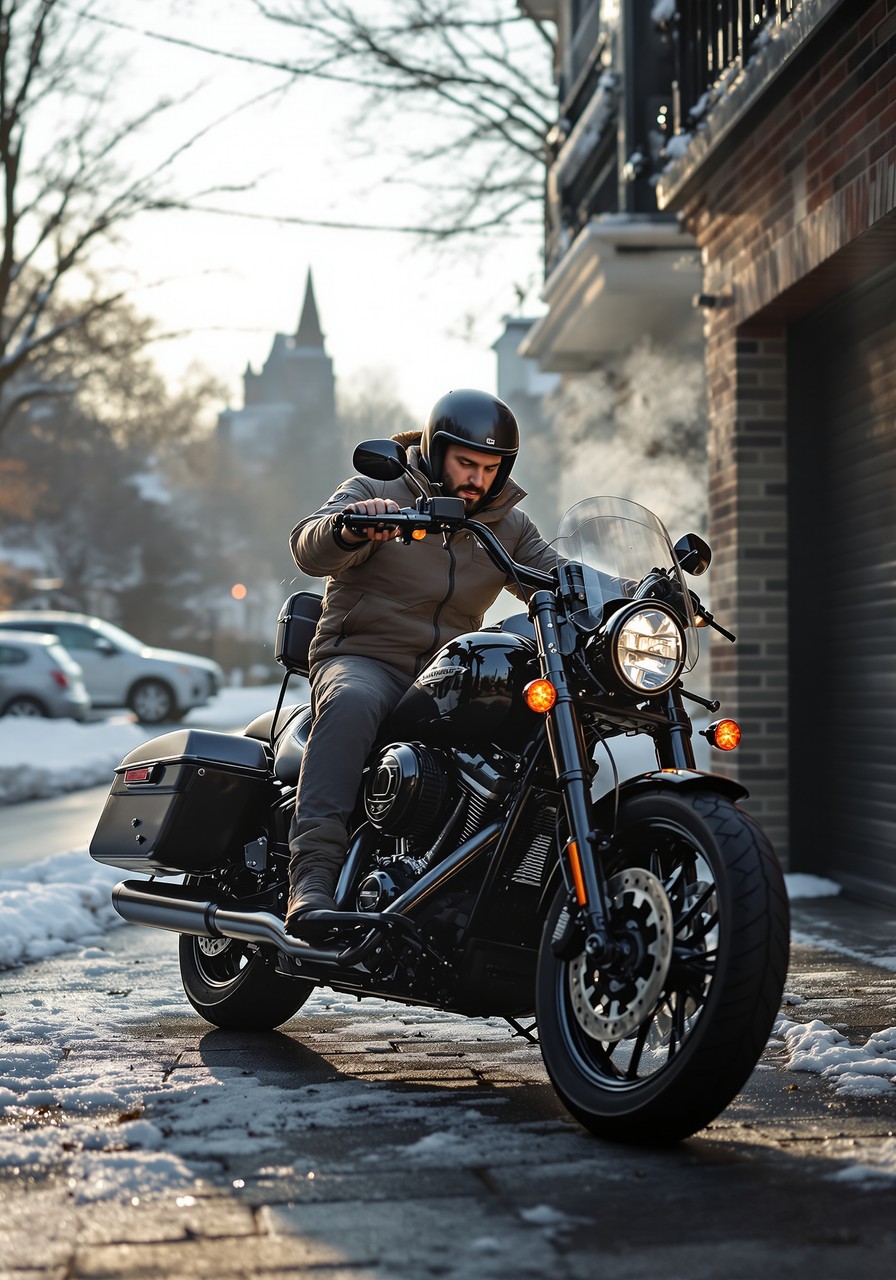
New bike, new brain. Fresh tires need a heat cycle to scrub in, and every clutch and brake feels different, so ease into that first tank. #RideNationNY #NewIron #RiderTips
Safety & NY Law
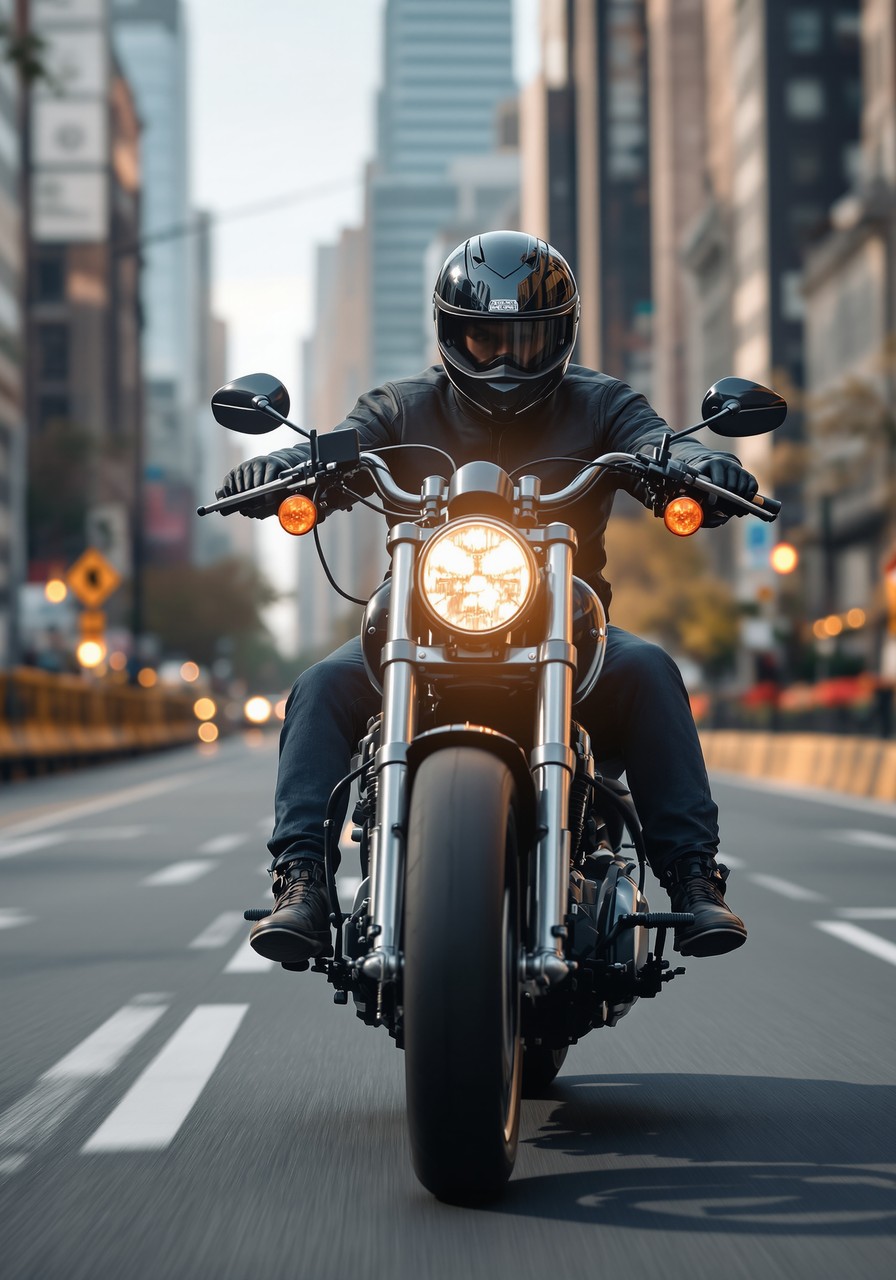
Pull your policy this week and look for SUM. In a state where no-fault skips riders and limits are low, it is your safety net. Not sure what you have? O'Connor Law, free to talk. 914-595-4502. #RideNationNY #UninsuredMotorist #NYRiders
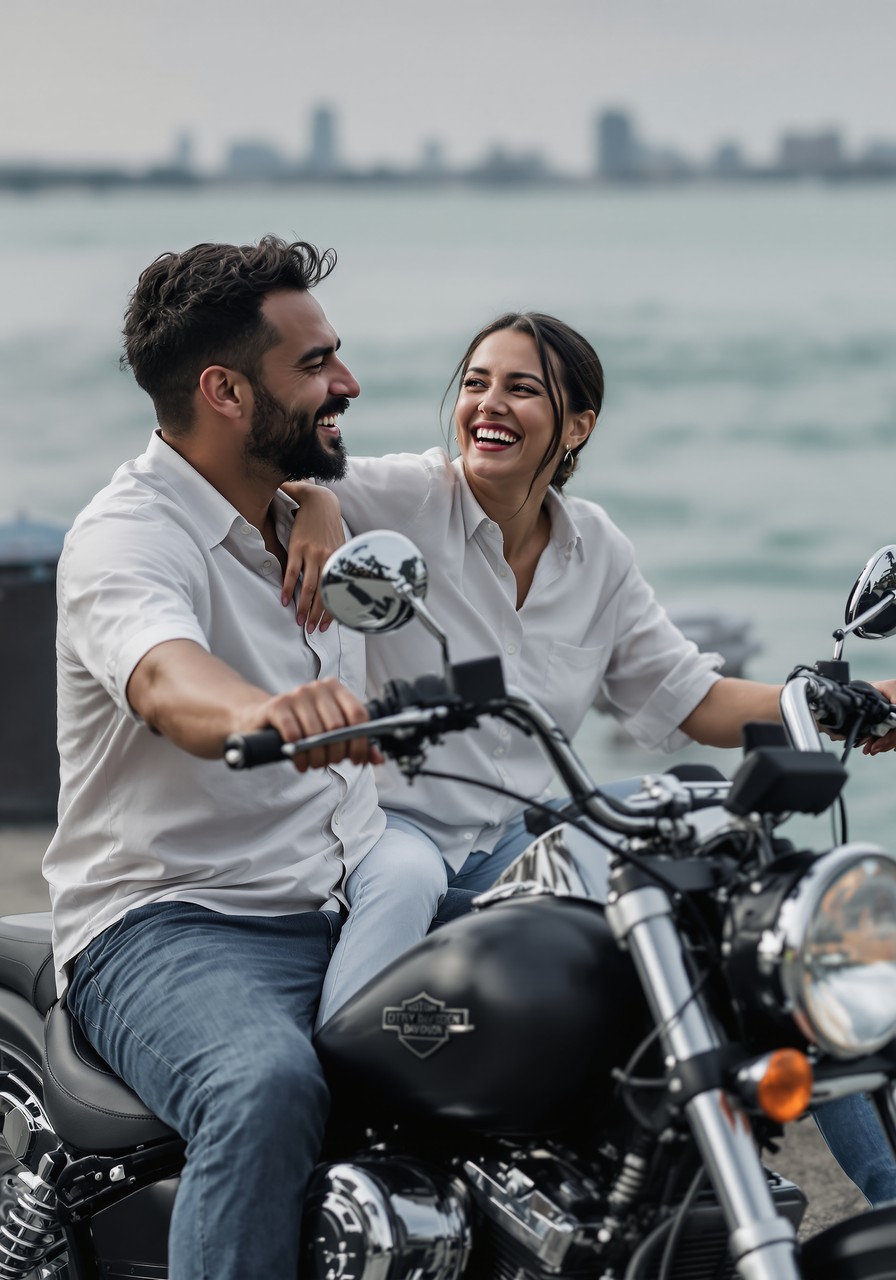
Engagement
Tag your ride-or-die and plan the first ride of spring right here. #RideNationNY #RideOrDie #NYRiders
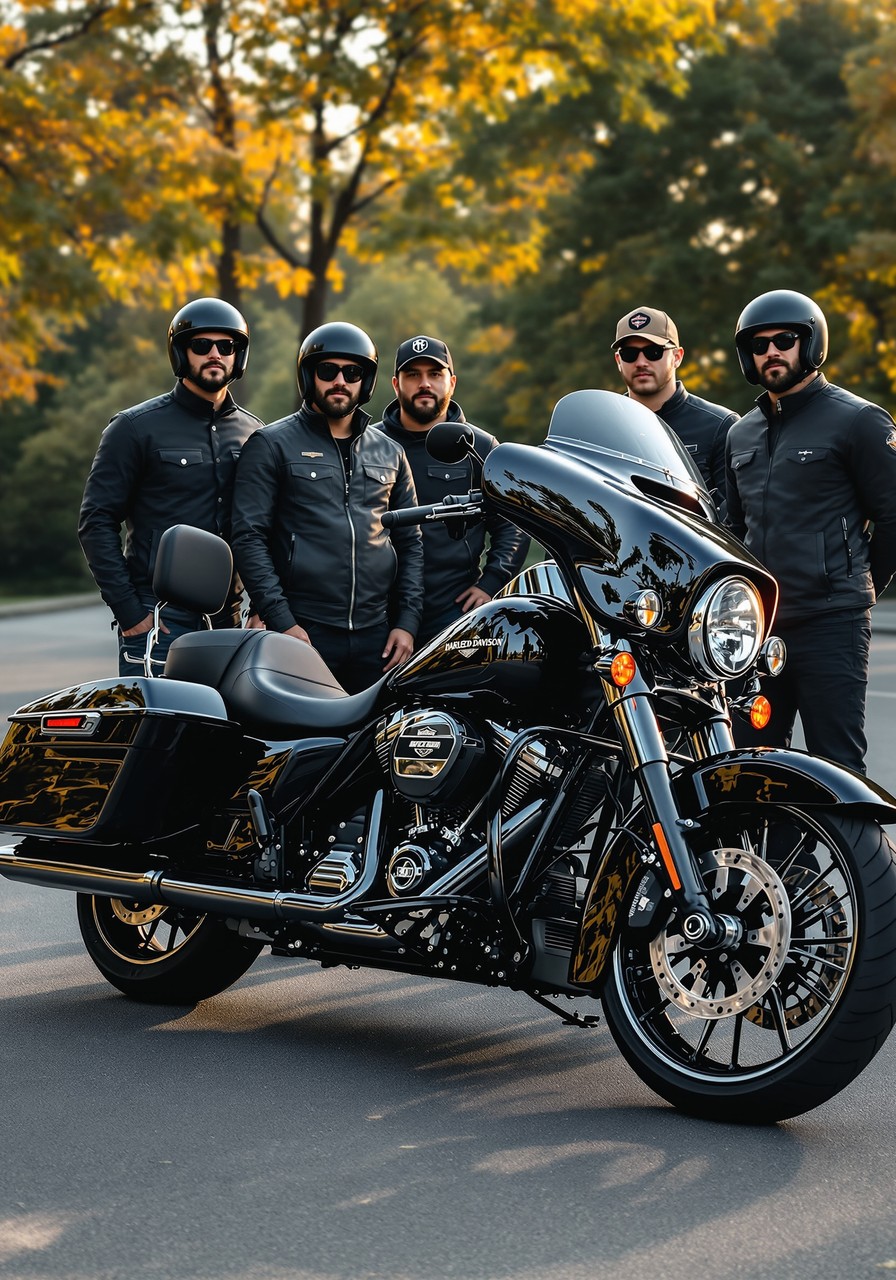
Giveaway & Countdown
Ride safe out there this season, and keep it locked to Ride Nation NY for the next giveaway. Questions after a wreck? O'Connor Law, 914-595-4502. #RideNationNY #FreeToEnter #NYRiders
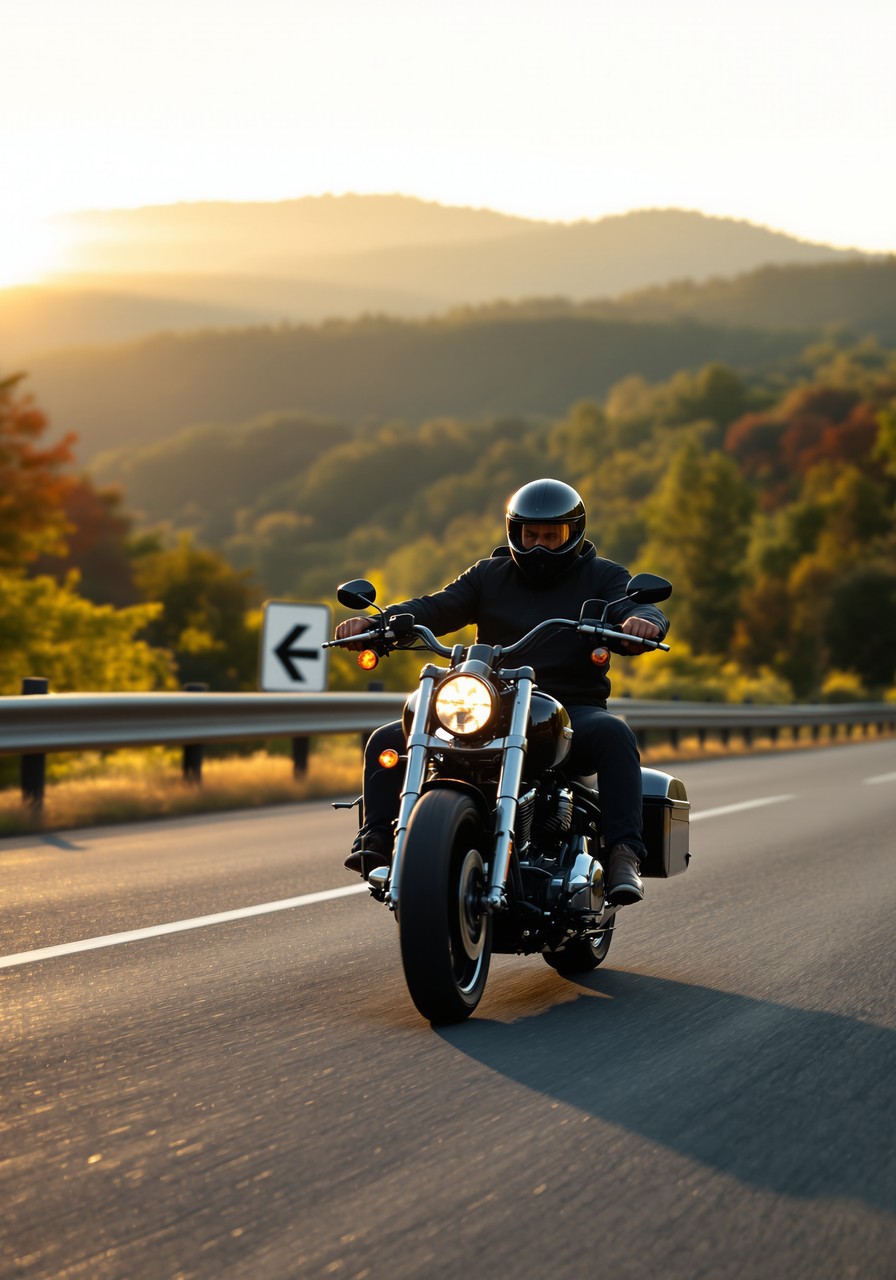
Local NY & Rides
When the salt finally washes off the bridges and the overpasses dry out, you will know. Have the bike ready so spring does not start without you. #RideNationNY #NYRiders #NYCMotorcycles
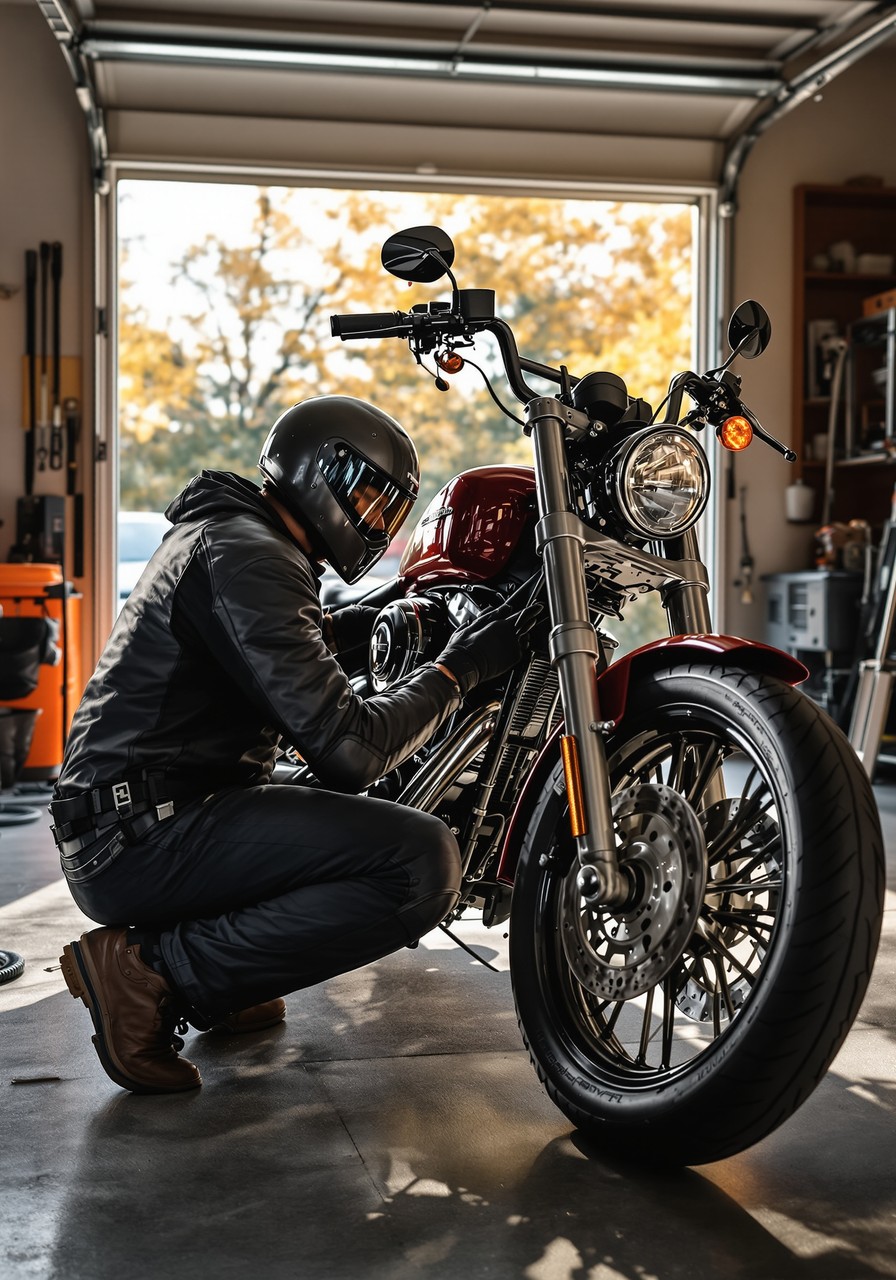
Gear & New Iron
Off-season is upgrade season. Better tires, fresh brake pads, and a good set of heated gloves do more for your riding than any chrome ever will. #RideNationNY #NewIron #GearUp
Safety & NY Law
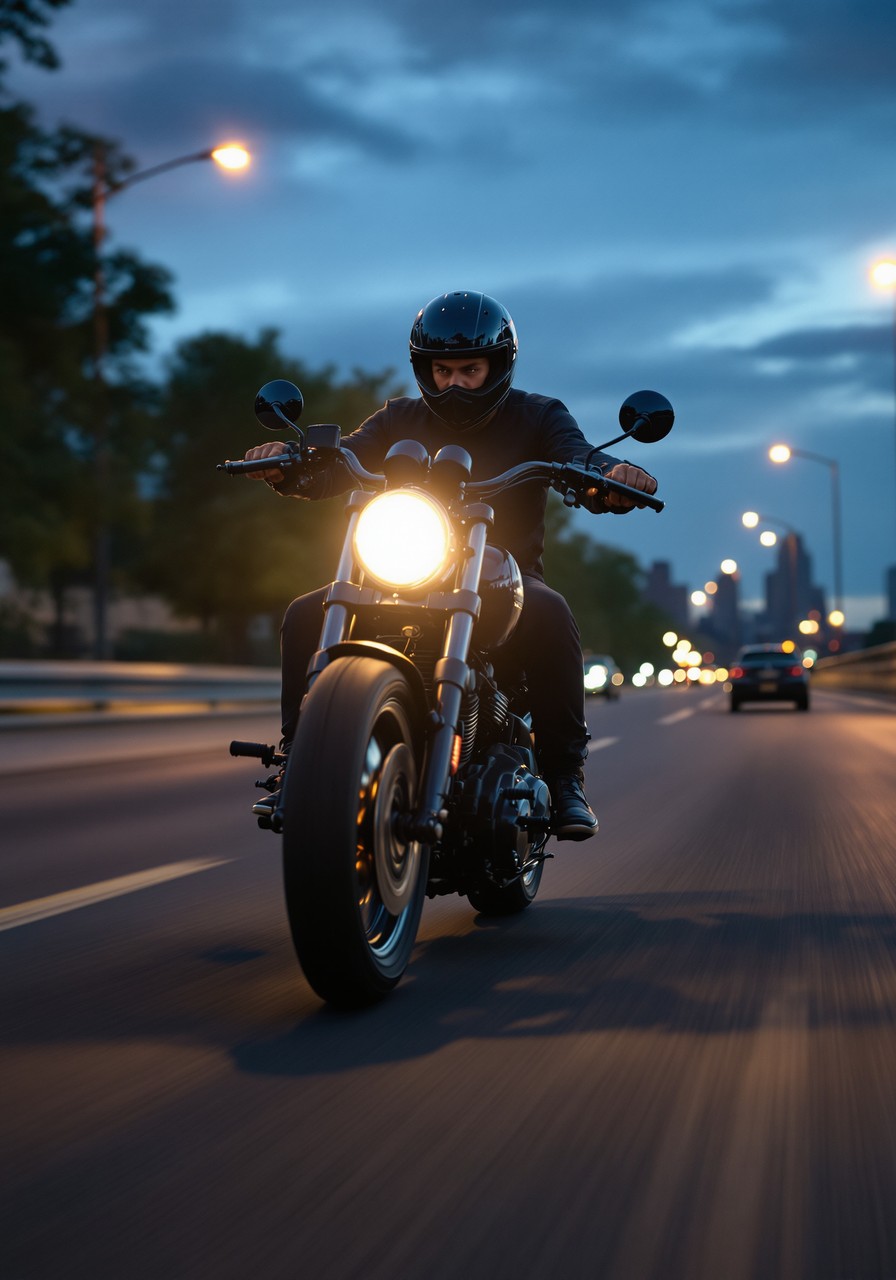
Know the law, ride your own ride, and gear up every time. That combination keeps more NY riders on two wheels than luck ever will. If a crash still finds you, Mary Ellen O'Connor and O'Connor Law are no cost to talk. 914-595-4502. #RideNationNY #RiderSafety #KnowYourRights